

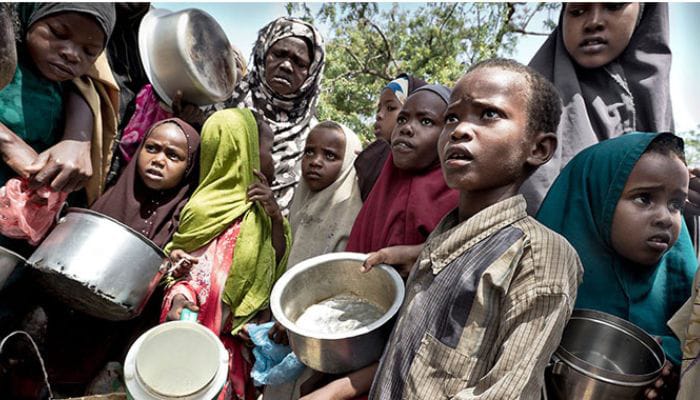
No fewer than two million Nigerians are projected to slip into poverty in 2026, pushing the number of people living below the poverty line to about 141 million, or 62 per cent of the population, despite a gradual slowdown in inflation, a new report by PricewaterhouseCoopers (PwC) has warned
The figure represents an increase from an estimated 139 million people in 2025 and marks the highest poverty rate ever recorded in Africa’s most populous country, according to PwC’s Nigeria Economic Outlook
The professional services firm said the grim outlook reflects the lingering effects of policy gaps, global economic shocks and the short-term pains associated with ongoing economic reforms.
“Poverty levels are projected to reach 62 per cent of the total population (141 million people) in 2026, reflecting the combined effects of legacy policy gaps, global shocks and the short-term costs of ongoing reforms,” PwC stated.
Nigeria embarked on sweeping market-oriented reforms nearly three years ago, including the removal of fuel subsidies and the liberalisation of the foreign exchange market, in a bid to stabilise the economy.
However, the reforms triggered sharp price increases, weakened consumer spending and pushed millions of households deeper into hardship.
Although inflationary pressures have eased for eight consecutive months up to November 2025 and economic growth rose to 3.98 per cent in the third quarter of 2025, analysts say the improvements are insufficient to reverse the surge in poverty.
An analyst and Head of Research at SBM Intelligence, Ikemesit Effiong, said economic growth remains too weak to make a meaningful impact on poverty levels.
“I see Nigeria’s poverty problem growing. Growth isn’t projected to occur at robust enough levels for it to make a significant dent in poverty levels. For the poverty picture to change, Nigeria has to pull off 7–9 per cent quarterly economic growth,” Effiong said.
PwC noted that while nominal household spending rose by 19.6 per cent from ₦116.5tn in 2024 to an estimated ₦139.3tn in 2025, real household spending declined by 2.5 per cent within the same period, from ₦12.2tn to ₦11.9tn.
The firm attributed the contraction in real spending to persistent increases in food prices, transportation costs and other essential household expenses, signalling that living standards remain under severe pressure.
“Real household spending may begin to recover in 2026; however, the pace of recovery may be constrained by persistent price pressures, high interest rates and ongoing fiscal constraints,” PwC added.
Also speaking, the co-founder of data and research firm, Truva Intelligence, Basil Abia, said Nigeria’s current disinflation and stabilisation trends are yet to translate into adequate income opportunities for households.
“The crux of poverty in Nigeria is both income and food poverty,” Abia said, adding that between 2019 and 2023, average consumption fell by 6.7 per cent, with urban areas hit hardest.
He urged the Federal Government and state governments to reduce or remove tariffs on essential food items such as rice and wheat, as well as key production inputs like fertiliser, to boost food supply and lower costs.
Abia also called for increased public-private investment in transport, storage and cold-chain infrastructure to reduce post-harvest losses, while aligning fiscal policies to prioritise spending on health, education and infrastructure.
According to him, strengthening social safety nets capable of responding to economic or climate shocks is critical to preventing millions of vulnerable Nigerians from falling further into poverty.
 '
' '
'Do you want to share a story with us? Do you want to advertise with us? Do you need publicity for a product, service, or event? Contact us on WhatsApp +2348183319097 Email: platformtimes@gmail.com
We are committed to impactful investigative journalism for human interest and social justice. Your donation will help us tell more stories. Kindly donate any amount HERE
