

…Emergency Powers Valid Where Governance Collapses
…Court Affirms Suspension Of Gov, Lawmakers
The Supreme Court on Monday affirmed the constitutional authority of the President to suspend elected governors and impose emergency rule in any state where public order and safety have broken down, provided such action is taken strictly within the ambit of the law.
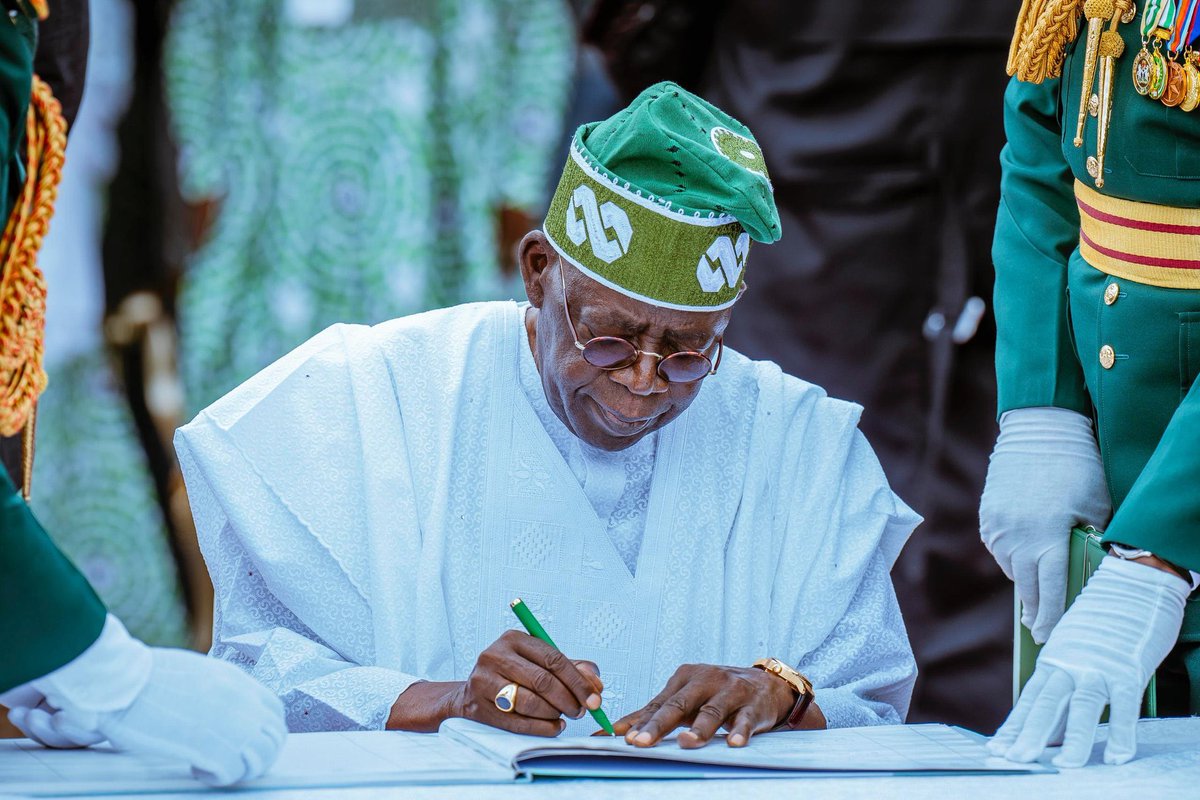
In a landmark judgment delivered by Justice Mohammed Idris, the apex court, in a 6–1 majority decision, upheld President Bola Tinubu’s declaration of a state of emergency in Rivers State and the temporary suspension of Governor Similayi Fubara.
The court anchored its ruling on Section 305 of the amended 1999 Constitution, which empowers the President to proclaim a state of emergency in any part of the federation experiencing a breakdown of public order and public safety requiring extraordinary measures.
Justice Idris held that the President acted within constitutional limits in suspending the governor, his deputy and members of the Rivers State House of Assembly for a limited period, stressing that such action was permissible where democratic institutions are unable to function effectively.
Consequently, the Supreme Court struck out a suit instituted by some Peoples Democratic Party-governed states, which had challenged the legality of the emergency proclamation.
The states, led by Adamawa, had argued that the President lacked the powers to remove an elected governor under any guise.
The legal challenge followed Tinubu’s March 18 declaration of emergency rule in Rivers State amid a protracted political crisis between Governor Fubara and his political benefactor, former Rivers governor and current Minister of the Federal Capital Territory, Nyesom Wike.
At the time, the President suspended Fubara, his deputy and the state lawmakers, citing escalating tensions that threatened governance and security.
Salaries of the suspended officials were also withheld, while retired Vice Admiral Ibok-Ete Ibas was appointed as sole administrator to stabilise the state and avert a total breakdown of law and order.
PDP governors had fiercely criticised the move, describing it as an assault on democracy and an unlawful interference in the affairs of a federating unit.
They accused the President of overreach and warned of dangerous precedents for Nigeria’s federal system.
However, the Supreme Court dismissed the objections, ruling that the Constitution clearly empowers the President to take decisive action during emergencies, subject to legal safeguards.
In September, Tinubu restored Fubara and the suspended lawmakers to office after the emergency rule was lifted.
Last week, in a political twist, Fubara defected from the PDP to the All Progressives Congress, pledging support for President Tinubu’s re-election bid ahead of the 2027 general election.
 '
' '
'Do you want to share a story with us? Do you want to advertise with us? Do you need publicity for a product, service, or event? Contact us on WhatsApp +2348183319097 Email: platformtimes@gmail.com
We are committed to impactful investigative journalism for human interest and social justice. Your donation will help us tell more stories. Kindly donate any amount HERE
