

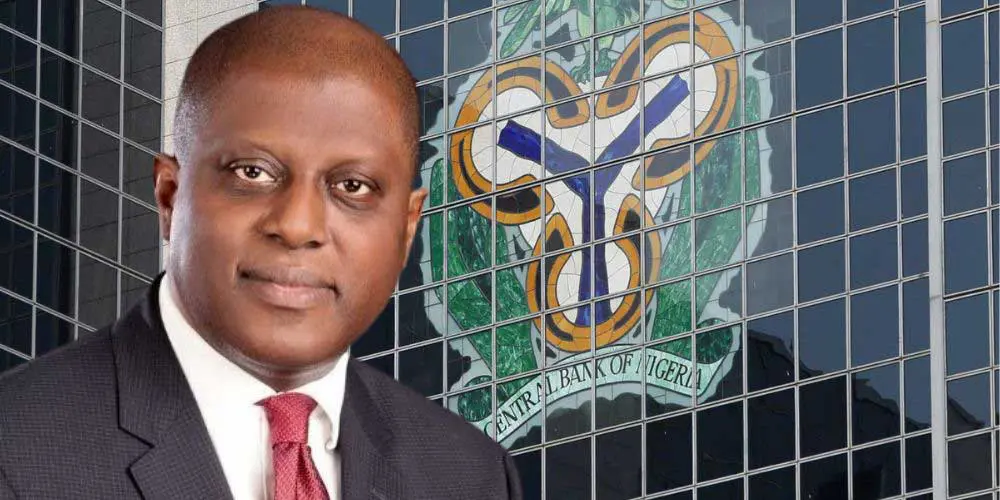
No fewer than three bank mergers are expected to materialise in the coming weeks as Nigerian lenders race to meet the Central Bank of Nigeria’s (CBN) new minimum capital requirements ahead of the March 31, 2026 recapitalisation deadline.
This projection was contained in the 2026 Banking Sector Prospects in Nigeria report released by DataPro, a credit rating and financial analytics firm, which warned that mounting regulatory pressure could accelerate consolidation among smaller lenders.
The report noted that by the end of 2025, most tier-1 banks had already surpassed the new capital threshold set by the apex bank, while several others announced fresh capital raises early in the New Year.
However, tier-2 and smaller banks are increasingly under strain, prompting merger talks and acquisition deals as survival strategies.
DataPro’s Enterprise Risk Management analyst, Idris Shittu, said the recapitalisation drive had intensified merger and acquisition activities within the sector, with at least three major mergers expected before the deadline.
“By the end of 2025, major banks will have successfully met the minimum capital threshold required by the Central Bank of Nigeria.
Meanwhile, tier-2 banks are under increasing pressure to comply, with three significant mergers expected by early 2026 as institutions scramble to meet the March 31 recapitalisation deadline,” Shittu stated.
He cautioned that while consolidation could strengthen balance sheets, it also comes with significant risks, particularly for smaller institutions.
“Post-merger integration challenges such as IT system harmonisation, cultural alignment and the migration of non-performing loans could strain newly merged entities.
These risks are heightened by the tight timeline imposed by the regulator,” he said, adding that many banks have set up internal “war rooms” to fast-track deal execution and manage integration risks.
According to Shittu, the banking sector will grapple with what he described as a “triple threat” in 2026: tighter regulation, capital pressure and rapid technological disruption.
He explained that the high Cash Reserve Ratio (CRR) of 45 per cent continues to constrain liquidity, forcing banks to rely more on fee-based income rather than traditional lending.
“This CRR effectively sterilises nearly half of banks’ naira deposits, limiting their capacity to extend credit,” he noted.
On technology, the analyst warned that aggressive fintech players such as Moniepoint and Opay are rapidly gaining market share, especially among small businesses and retail customers, putting additional pressure on conventional banks.
“Technology is reshaping Nigeria’s banking landscape. In response, 2026 is likely to be the year traditional banks evolve into lifestyle ‘super-apps’ offering services beyond banking, such as travel bookings and food delivery, to retain customers,” Shittu said.
He, however, pointed out that legacy IT systems and slow procurement processes could hinder banks’ ability to compete with agile fintechs, potentially accelerating customer migration unless lenders adopt faster innovation models, acquire fintechs or create independent digital subsidiaries.
Looking ahead, DataPro projected a further decline in the number of banks operating in Nigeria by the end of 2026, as consolidation deepens.
“While a smaller but stronger banking system could better support large-scale transactions and Nigeria’s ambition of a $1tn economy, integration risks remain significant,” Shittu warned, citing lessons from the 2005 consolidation exercise marked by IT failures and cultural clashes.
He stressed that successful mergers would depend on thorough due diligence, asset quality assessment and robust post-merger integration planning.
Meanwhile, professional services firm PwC struck a more optimistic tone in its Nigeria Economic Outlook – January 2026, identifying the financial services sector as a key growth driver in the year ahead.
PwC said ongoing recapitalisation, expanding fintech regulation and growing international investor interest, including secondary listings by major banks, would strengthen confidence in the sector.
The firm added that strong demand for modern financial products, coupled with advances in artificial intelligence, blockchain and embedded finance, would deepen liquidity and sustain growth across banking, fintech and insurance in 2026.
 '
' '
'Do you want to share a story with us? Do you want to advertise with us? Do you need publicity for a product, service, or event? Contact us on WhatsApp +2348183319097 Email: platformtimes@gmail.com
We are committed to impactful investigative journalism for human interest and social justice. Your donation will help us tell more stories. Kindly donate any amount HERE
 '
'