

… Domestic, Intimate Attacks Dominate Cases
• Activists Push For Femicide Law, Tracking System
Daud Olatunji
No fewer than 197 Nigerian women and girls were killed in suspected gender-related attacks between January and December 2025, marking a disturbing rise in femicide cases across the country, a new report by the DOHS Cares Foundation has revealed.
The figure represents a sharp increase from the 133 deaths recorded in 2024, underscoring what the organisation described as a worsening national crisis driven by weak accountability, silence, and systemic failures in protecting women and girls.
According to data published on the foundation’s Femicide Tracker Dashboard, 172 suspected femicide cases were documented nationwide during the period under review, resulting in 197 deaths, as some incidents involved multiple victims.
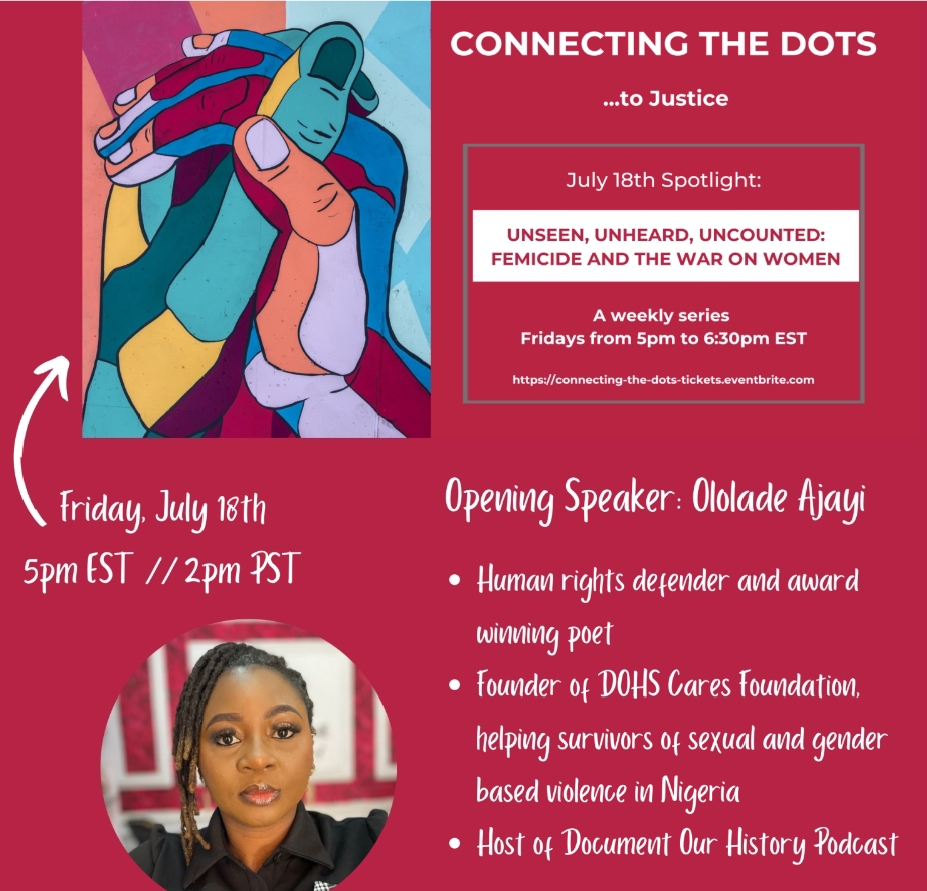
Reacting to the findings, the founder of DOHS Cares Foundation, Ololade Ajayi, said the rising toll of gender-based killings showed that Nigeria was facing a public emergency.
“With 172 cases and 197 deaths in 2025 — and still counting — femicide in Nigeria is a pandemic. Dozens of women and girls are killed every 49 hours simply because they are female, mostly by people they know and trust,” Ajayi said.
She explained that the disparity between the number of cases and deaths was due to incidents where more than one victim was killed at the same location or within the same attack.
“In some cases, bodies are found in one place and reported as a single incident but involve multiple deaths. Sometimes, women are killed alongside their children,” she added.
The report cited several harrowing cases that highlighted the brutality and personal nature of the violence. In November, a 19-year-old woman, Loveth Uloma, was allegedly murdered in Enugu State by her 51-year-old uncle, Emmanuel Nwangwu, following years of reported sexual abuse.
In December, Rifkatu Yohanna, 35, was found dead in her bedroom in Borno State with deep cuts to her neck and body. She was reportedly killed by her 17-year-old neighbour, Aliyas Amir, who claimed he attacked her while attempting to steal her phone and power bank.
In Kwara State, Opeyemi Bello, a receptionist at Femdak Hotel, was allegedly strangled at her workplace by Yusuf Ibrahim, a 26-year-old former staff member of the hotel, who was reportedly seen scaling the fence as the victim screamed for help.
Another victim, identified as Edwolo, was found stabbed to death in a hotel room in Delta State in October. The hotel owner reportedly told police he discovered her body in a pool of blood after returning the next morning.
In Lagos State, Temitope Odu was allegedly killed by her husband, Christopher Odu, following years of domestic violence. Their son reportedly testified that his father had abused his mother for more than two decades before her death.
DOHS Cares Foundation noted that most of the victims were killed by people within their immediate social circles, including spouses, relatives, neighbours, and acquaintances, reinforcing concerns about domestic violence and unsafe home environments.
Ajayi said the killings were preventable and called for urgent structural reforms.
“Femicide is not isolated violence. These deaths are enabled by weak laws, poor enforcement, and societal silence. Nigeria urgently needs legal recognition of femicide, a national tracking system, and decisive action to protect women’s lives,” she said.
The report aligns with global findings. A UN Women publication in November 2025 described gender-related killings as “the most brutal and extreme manifestation of violence against women and girls,” while a joint report by the UN Office on Drugs and Crime and UN Women warned that femicide showed “no signs of slowing down.”
Although Nigeria currently has no law that specifically criminalises femicide, public outrage over the rising number of killings has continued to grow, alongside renewed calls from civil society groups for legislative reforms, improved prosecution of offenders, and stronger protection mechanisms for women and girls.
DOHS Cares Foundation, a non-governmental organisation, focuses on combating gender-based violence and monitoring femicide cases in Nigeria, using its tracker dashboard to document suspected killings nationwide.
 '
' '
'Do you want to share a story with us? Do you want to advertise with us? Do you need publicity for a product, service, or event? Contact us on WhatsApp +2348183319097 Email: platformtimes@gmail.com
We are committed to impactful investigative journalism for human interest and social justice. Your donation will help us tell more stories. Kindly donate any amount HERE
