

Amnesty International Nigeria has raised the alarm over the persistent spate of mob killings across the country, blaming the trend on weak law enforcement, a dysfunctional justice system and deepening public mistrust in state institutions.
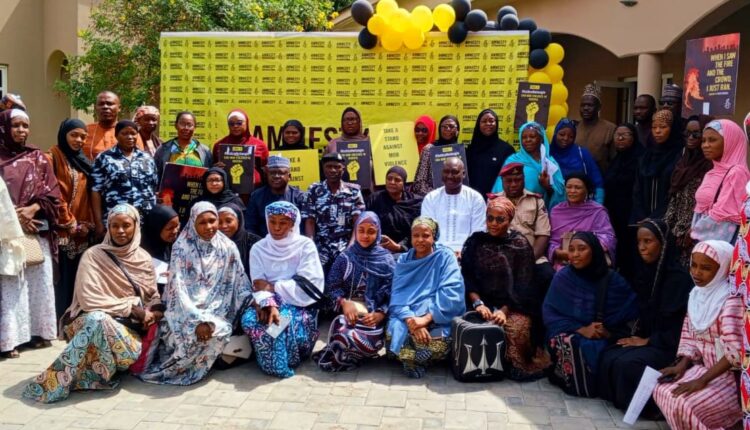
The rights group made the call on Wednesday in Kano during a town hall meeting organised as part of its nationwide #JusticeNotJungle campaign, aimed at ending jungle justice and promoting lawful responses to crime and allegations.
Speaking at the event, the Country Director of Amnesty International Nigeria, Isa Sanusi, lamented that innocent Nigerians continued to lose their lives after being accused—often without evidence—of offences such as blasphemy, theft and witchcraft.
“Many people lose their lives because mobs take the law into their hands. Once someone is accused, they are killed instantly. This is wrong and unacceptable in any society governed by law and order,” Sanusi said.
He stressed that mob violence was not peculiar to any region, describing it as a national crisis requiring urgent collective action.
“This is not a problem of the North, South, East or West. It is a Nigerian problem, and we must confront it as such,” he added.
Sanusi cited several recent incidents to illustrate the dangers of mob action, including the killing of a woman in Calabar over witchcraft allegations and the murder of a pastor in Southern Kaduna accused of causing his brother’s illness and death.
According to Amnesty’s findings, at least 155 cases of mob violence have been profiled over the last decade, with many resulting in deaths, while no fewer than 23 cases of confirmed killings were recorded in recent years alone.
He attributed the persistence of jungle justice to weak policing and a broken justice delivery system, noting that citizens often resort to self-help when they believe suspects will escape punishment through bribery or influence.
“When people think justice will not be done, they take matters into their own hands. That is why we sometimes see police stations attacked or burned,” Sanusi said, calling on government at all levels to strengthen security agencies, ensure accountability and restore confidence in the rule of law.
Also speaking, Executive Director of the Civil Society Legislative Advocacy Centre, Auwal Musa Rafsanjani, said the town hall was aimed at sensitising the public and security agencies to the dangers of mob killings and the need to uphold due process.
“Nigeria has courts of law and security agencies to investigate allegations. Even religion does not permit the killing of anyone without due process,” Rafsanjani said.
He added that mob violence was often fuelled by political manipulation, religious intolerance and economic rivalry, particularly in marketplaces where individuals perceived as successful are sometimes targeted.
“All these killings are wrong and unacceptable. People must follow the law and established legal processes,” he said.
Rafsanjani also dismissed claims portraying Amnesty International as a foreign or Western organisation, insisting that human rights are universal and apply to everyone, regardless of race, religion or nationality.
The town hall meeting brought together civil society groups, community leaders and members of the public to discuss the legal and human rights implications of mob violence, share lived experiences and commit to collective actions aimed at ending jungle justice across Nigerian communities.
 '
' '
'Do you want to share a story with us? Do you want to advertise with us? Do you need publicity for a product, service, or event? Contact us on WhatsApp +2348183319097 Email: platformtimes@gmail.com
We are committed to impactful investigative journalism for human interest and social justice. Your donation will help us tell more stories. Kindly donate any amount HERE
