

EU links Crisis To Food Insecurity, Emissions
… Urges investment In Storage, Infrastructure
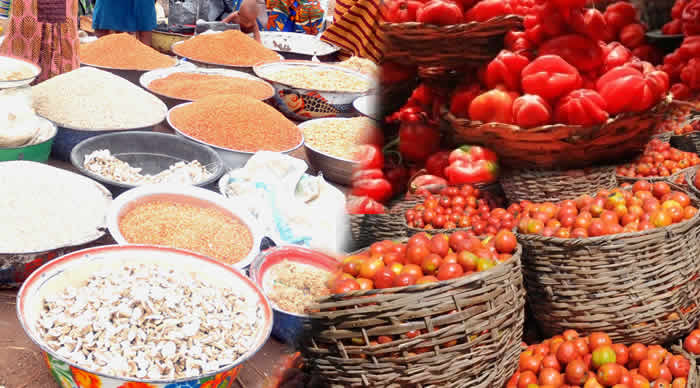
The European Union (EU) has raised serious concern over Nigeria’s worsening food waste crisis, revealing that the country loses an estimated 38 million tonnes of food annually—placing it at the top of food-wasting nations in Africa.
The warning was issued in Abuja during the commemoration of the 2026 International Zero Waste Day, themed “Food Waste Reduction – Minimisation and Valorisation.”
Speaking at the event, the Deputy Ambassador of the EU Delegation to Nigeria and ECOWAS, Zissimos Vergos, described the situation as alarming, stressing that urgent and coordinated interventions are required to reverse the trend.
Vergos noted that the scale of food waste in Nigeria undermines food security, worsens economic losses, and contributes significantly to environmental degradation. He urged stronger collaboration between government agencies, private sector operators, and citizens across the entire food value chain to curb the menace.
According to him, reducing food waste is critical to achieving sustainable consumption and production patterns in line with global development goals.
He further disclosed that globally, nearly one billion tonnes of food were wasted in 2022 alon—representing almost one-fifth of all food available to consumers.
He warned that such waste amounts to a “squandering of precious resources” and a missed opportunity to tackle hunger.
Vergos also highlighted the environmental implications, noting that food loss and waste contribute up to 10 per cent of global greenhouse gas emissions and nearly 40 per cent of methane emissions worldwide, making the crisis a major driver of climate change.
While acknowledging Nigeria’s ongoing reforms, including the Circular Economy Roadmap, the establishment of an Interministerial Circular Economy Committee, and the push for a national plastic waste management regulation, he described these efforts as “structural shifts” aimed at addressing systemic challenges.
He, however, urged the country to go further by investing in rural infrastructure such as roads, storage facilities, and cold chain systems to reduce post-harvest losses.
Vergos also advocated the promotion of agro-processing, encouraging the transformation of raw produce into value-added products like tomato paste and cassava flour, while strengthening linkages between smallholder farmers and processors.
Additionally, he called for the integration of zero-waste education into school curricula from the primary level to build a culture of sustainability among future generations.
Also speaking, the Minister of Environment, Balarabe Lawal, reaffirmed the Federal Government’s commitment to tackling food waste as part of efforts to safeguard the environment and promote public health.
Lawal said food waste poses a major threat to economic growth, environmental sustainability, and food security, stressing that every discarded meal represents wasted water, energy, labour, and capital.
He disclosed that the ministry, in its 2026 national budget, has developed projects targeted at eliminating food waste in major markets across the country, with particular focus on reducing post-harvest losses.
According to him, addressing food waste will not only reduce pollution and greenhouse gas emissions but also improve resource efficiency and encourage responsible consumption across households and businesses.
Similarly, the Director and Representative of the United Nations Industrial Development Organisation (UNIDO) Sub-Regional Office in
Nigeria, Amb. Philbert Johnson, described food as a critical resource that should never be wasted, especially in a country grappling with food insecurity and malnutrition.
Johnson stressed that food is not just a commodity but a foundation of economic growth, public health, and national stability.
“When food systems function efficiently, they generate income, enhance resilience, and improve well-being. When they fail, the consequences are felt across the economy, the environment, and society,” he said.
He reiterated UNIDO’s commitment to supporting Nigeria in building resilient, inclusive, and sustainable agro-industrial systems capable of reducing food waste and strengthening food security.
The EU, in partnership with the Nigerian government and UNIDO, further emphasised the urgent need for immediate and coordinated measures to tackle food waste, noting that inefficiencies in food systems result in the loss of valuable resources such as water, energy, and labour, while exacerbating climate change.
Nigeria’s food waste crisis continues to draw concern amid rising hunger levels and inflationary pressures on food items, with experts warning that without urgent reforms, the country risks worsening food insecurity and economic strain.
 '
' '
'Do you want to share a story with us? Do you want to advertise with us? Do you need publicity for a product, service, or event? Contact us on WhatsApp +2348183319097 Email: platformtimes@gmail.com
We are committed to impactful investigative journalism for human interest and social justice. Your donation will help us tell more stories. Kindly donate any amount HERE
