

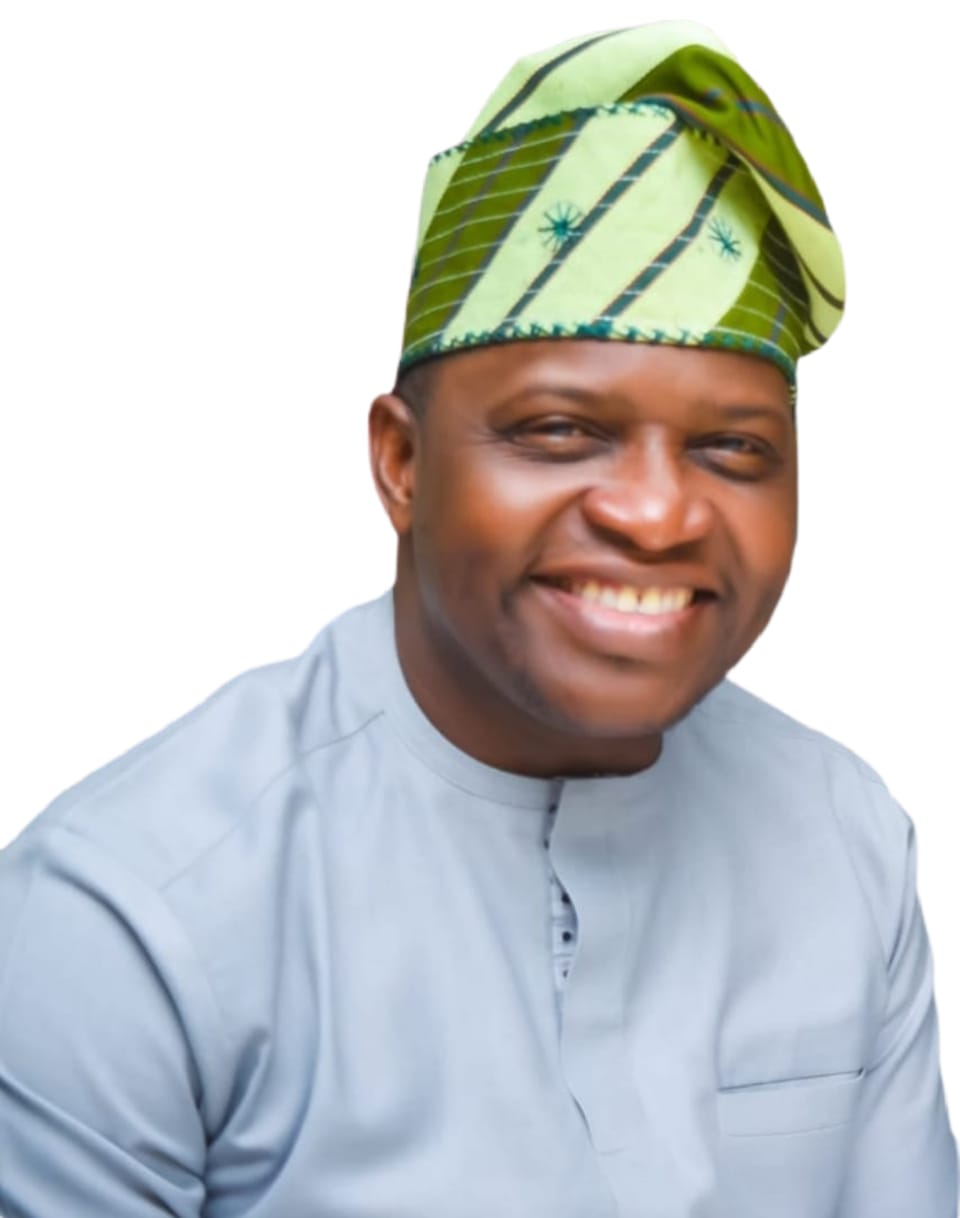
The Chairman of the University of Lagos Alumni Association, United Kingdom Branch, has called for deeper collaboration between Nigeria and its diaspora professionals, warning that continued brain drain and weak infrastructure could further undermine the country’s education and health sectors.
Speaking in an interview after delivering a printer donated by the Unilag Alumni UK Branch, valued at over ₦1 million to the alma mater, the University of Lagos, the medical doctor and alumni leader said diaspora engagement must go beyond remittances to include knowledge transfer, mentorship and institutional support.
He said his involvement in alumni activities was driven by collective responsibility rather than personal ambition, describing UNILAG as a “lineage of excellence” that demands continuous giving back.
“The motivation isn’t personal; it is communal. At UNILAG, we are taught that we are part of a lineage of excellence. When you look at the Akoka experience, you realise you owe a debt of gratitude,” he said.
The alumni leader explained that the UK branch is building structured linkages between graduates abroad and the institution at home through mentorship programmes, professional networks and capacity-building initiatives.
According to him, the goal is to sustain a “permanent bridge” between Nigeria and its diaspora professionals.
“Our goal is to ensure that the bridge between the diaspora and the lagoon front remains strong, providing a network for mentorship and support that will outlive our individual careers,” he added.
Education: talent remains strong, infrastructure lags
He noted that while the intellectual capacity of UNILAG students has remained consistently high across generations, infrastructure and technology gaps continue to hinder competitiveness globally.
“The similarity is the raw intellect and ‘can-do’ spirit of the Unilag student. The difference lies in the infrastructure and technology gap,” he said.
He said the alumni network was supporting initiatives aimed at modern digital laboratories and improved learning tools to align the institution with global academic standards.
Speaking on Nigeria’s health sector, he described the situation as systemic, noting that medical professionals often work under difficult and under-resourced conditions.
“We have world-class talent working in underfunded environments. Inadequate incentives, weak primary healthcare infrastructure and lack of modern equipment make it difficult for doctors to practise the medicine they were trained for,” he said.
He added that many Nigerian doctors abroad remain concerned that “brilliance back home is constrained by basic resource gaps.”
“We send ideas, not just money”
The alumni chairman stressed that diaspora contributions must be redefined to prioritise expertise and policy input, not financial remittances alone.
“Contribution today is about remittance of expertise. We don’t just send money; we send ideas,” he said.
He disclosed that the association organises medical missions, webinars and policy discussions aimed at adapting successful healthcare models from the United Kingdom to Nigeria’s local realities.
Expressing concern over increasing emigration of skilled Nigerians, he warned that the continued loss of professionals poses long-term risks to national development.
He, however, advocated circular migration policies that allow experts abroad to periodically return to contribute locally.
“We don’t just exit; we maintain a seat at the table,” he said.
On the popular “Japa” trend, he described it as a search for dignity and stability rather than mere relocation.
“People leave because they want their hard work to translate into a stable life. If a doctor can afford a home and a safe commute to work, the urge to leave will reduce,” he said, urging government to prioritise security, power supply and fair wages.
He also highlighted the importance of community support for Nigerians abroad, noting that isolation and high living costs often create silent struggles for migrants.
“Hardship abroad is often a silent struggle of isolation and high costs. We handle it through community. In the Alumni Association, we say no Akokite stands alone,” he said.
He added that the association supports new migrants, funds scholarships, and contributes to healthcare facilities in Nigeria.
Ahead of future elections, he urged Nigerians in the diaspora to play a stronger role in promoting informed political participation.
“Our obligation is to be the informed voice. We must encourage our families to vote based on competence, not sentiments, and demand accountability,” he said.
While not dismissing political engagement, he said his focus remains health policy reform and diaspora-driven legislation.
“Politics is too important to be left only to politicians. People with technical expertise and global exposure have a role to play,” he added.
Plan for return and specialised healthcare investment
Looking ahead, he revealed plans for a phased return to Nigeria to establish specialised medical services comparable to international standards.
“Many of us see our time in the UK as a sabbatical to gain skills. My plan is to establish specialised medical services in Nigeria, offering the same quality of care I provide here,” he said.
He concluded that his journey from Akoka and Idi-Araba to medical practice in the United Kingdom has been shaped by values of service, discipline and integrity instilled during his UNILAG years.
 '
' '
'Do you want to share a story with us? Do you want to advertise with us? Do you need publicity for a product, service, or event? Contact us on WhatsApp +2348183319097 Email: platformtimes@gmail.com
We are committed to impactful investigative journalism for human interest and social justice. Your donation will help us tell more stories. Kindly donate any amount HERE
