

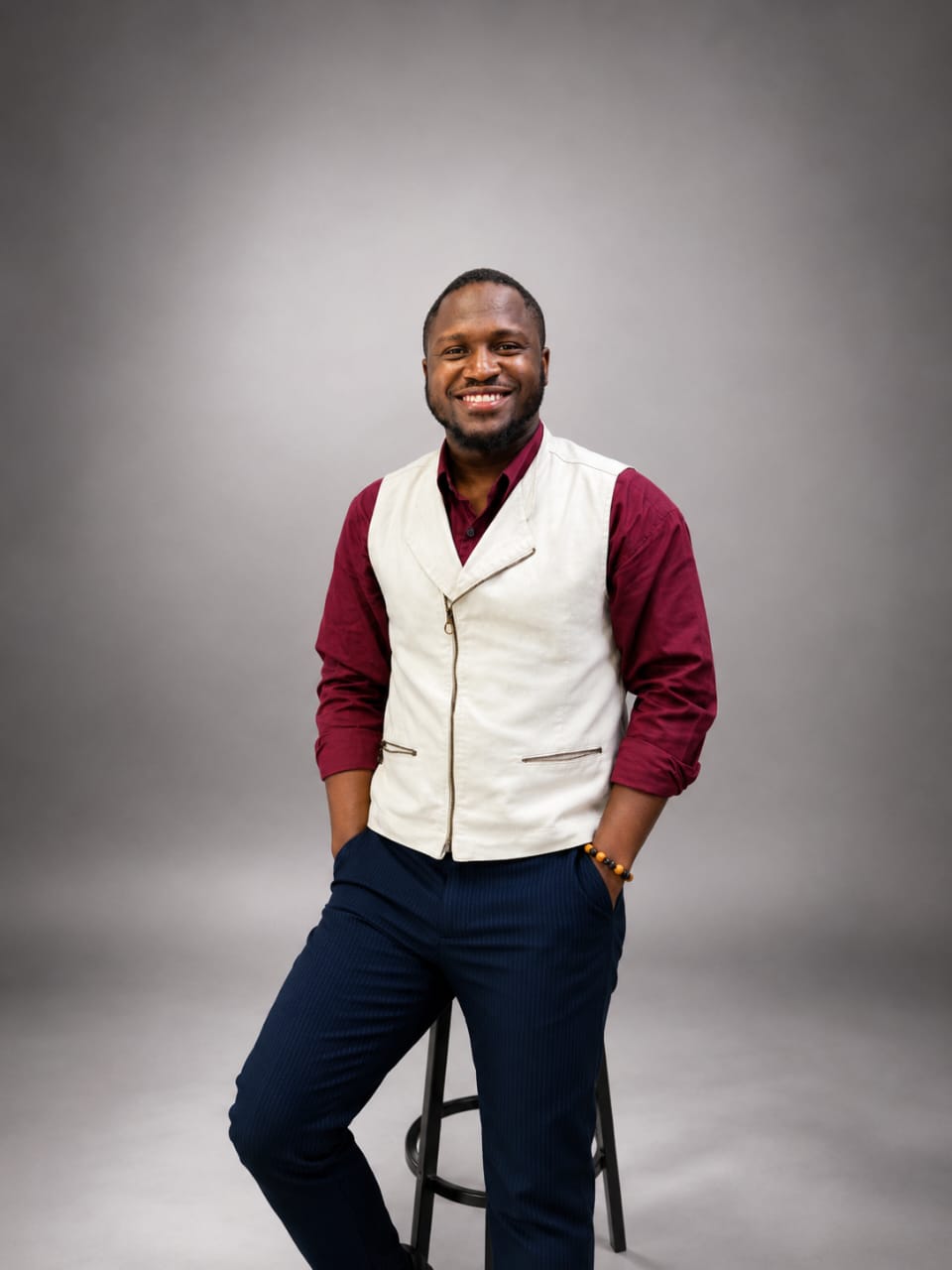
Favour Godwin
In 2024, President Bola Ahmed Tinubu celebrated Cardinal John Onaiyekan on his 80th birthday and praised him for, among other things, “speaking out against the ills in society.” It was a fitting description of a cleric who has spent decades using his voice to challenge injustice and advocate for the vulnerable.
But two years later, when that same voice raises uncomfortable questions about government, something seems to have changed.
What changed?
Did Cardinal Onaiyekan suddenly stop speaking truth to power? Or has power simply become less comfortable with the truth?
That question is at the heart of the controversy following the meeting between President Tinubu and Catholic bishops, and the subsequent comments by Onaiyekan about what transpired.
Some have suggested that the Cardinal misused the privilege of being a cleric by speaking publicly about the encounter. But that argument raises another question: would it have been considered a misuse of privilege if he had emerged from the meeting praising the President and his administration?
If praise from a religious leader is welcome, why should criticism from the same religious leader automatically become political?
The bishops did not meet the President secretly. In fact, the meeting was publicly announced and reported, and the concerns they raised, including insecurity, poverty and the need for credible elections, were hardly obscure political demands. They were concerns that affect ordinary Nigerians.
Of course, being a cleric does not make one infallible. I am not advocating for Cardinal Onaiyekan simply because he is a Cardinal. He can be challenged, and his interpretation can be questioned. But being a priest, bishop or cardinal does not mean surrendering one’s conscience at the door of the State House.
And this is where we need to properly understand the Church and politics.
The Church is not a political party.
The pulpit should not become a campaign platform, and worship should not be turned into electoral mobilisation. Religious leaders should not use the trust of their congregations to impose partisan loyalties on them.
But the fact that the Church is not a political party does not mean it must become politically silent.
Government decisions affect the poor, the vulnerable, families, education, security, justice and the dignity of human beings. These are issues that cannot suddenly become off-limits because they are also political issues.
Politics is about power, and power affects people.
The Church can therefore remain outside partisan politics while still speaking forcefully about the conduct of government. In fact, that independence is what makes its voice valuable.
The Church should be able to tell government when it is right and when it is wrong. It should be able to praise without becoming a cheerleader and criticise without becoming an opposition party.
That independence matters because politicians understand the influence of religious institutions. They know that a pastor, bishop or other religious leader can reach thousands, sometimes millions, of people. Politicians therefore seek access to churches and religious leaders to communicate, build relationships and, sometimes, cultivate legitimacy.
There is nothing inherently wrong with such engagement. Religious institutions have legitimate roles in peacebuilding, social welfare, national dialogue and representing the concerns of their communities.
But there is a line that must not be crossed.
Access should not become endorsement, cooperation should not become patronage, and criticism should not become betrayal.
If political leaders can enter religious spaces, seek prayers, address congregations and cultivate relationships with religious authorities, those same leaders must also be prepared to hear uncomfortable truths from those authorities.
Otherwise, the relationship becomes one-sided.
The politician wants the influence of the Church, but not its independence.
The politician welcomes the religious leader when he praises government but questions his motives when he criticises it.
That cannot be healthy for democracy.
Other democracies offer useful lessons. Archbishop Desmond Tutu used his moral authority to challenge apartheid in South Africa without becoming a conventional politician. Martin Luther King Jr. similarly brought his Christian convictions into the struggle for civil rights in the United States.
Their examples demonstrate that religious leadership and public engagement do not have to mean partisan politics. But they also show why religious institutions must preserve their independence. Once the pulpit becomes an extension of partisan politics, its moral authority is weakened.
That is the balance Nigeria needs.
The Church should not become government’s permanent opposition. Neither should it become government’s cheerleader.
It should remain what it ought to be: an independent moral voice.
And government must learn to hear that voice without automatically interpreting disagreement as hostility.
Feedback is not blackmail. Disagreement is not an attack. Criticism is not necessarily opposition.
A government that responds to every uncomfortable observation by questioning the motives of the person making it risks surrounding itself with people who only tell it what it wants to hear.
Perhaps, then, Cardinal Onaiyekan has not changed.
Perhaps what has changed is simply that the truth he is speaking today is being heard from the other side of the table.
President Tinubu was right in 2024 to praise Onaiyekan for speaking truth to power.
But the real test of that praise is not whether power applauds the truth.
It is whether power can tolerate hearing it.
Because speaking truth to power is only meaningful when power does not want to hear it.
Favour Godwin is a broadcast journalist who writes from Abeokuta. Email: iamfavourgodwin@outlook.com; 09023644385.
 '
' '
'Do you want to share a story with us? Do you want to advertise with us? Do you need publicity for a product, service, or event? Contact us on WhatsApp +2348183319097 Email: platformtimes@gmail.com
We are committed to impactful investigative journalism for human interest and social justice. Your donation will help us tell more stories. Kindly donate any amount HERE
