

Toyyibat Qasim
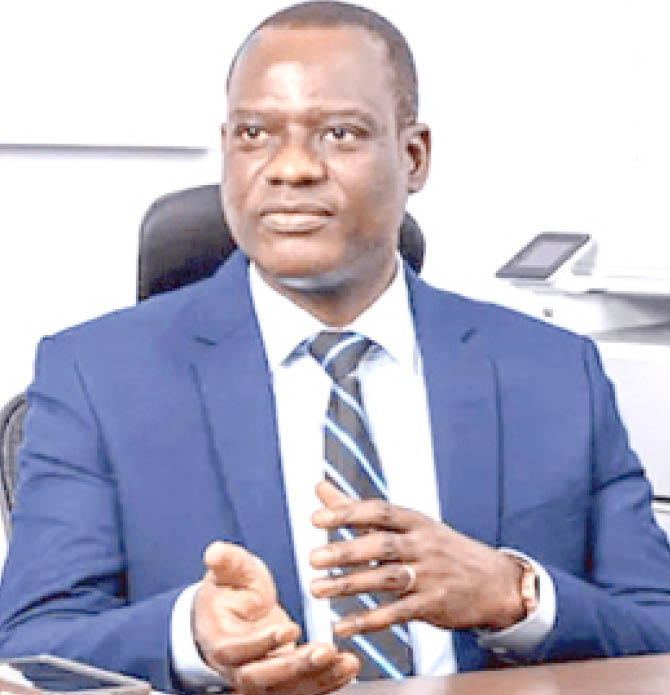
The Coalition Against Corruption and Bad Governance has called for the resignation of the Minister of Finance and Coordinating Minister of the Economy, Taiwo Oyedele, following his warning that the naira could depreciate to between N3,000 and N4,000 against the dollar if the Federal Government considers restoring fuel subsidy.
The coalition described the minister’s reported remarks as insensitive to the economic hardship confronting Nigerians, arguing that the government should prioritise affordable energy, economic productivity and citizens’ welfare rather than portray subsidy restoration as a threat to economic stability.
Oyedele reportedly made the remarks during a press briefing at the International Monetary Fund and World Bank Annual Meetings in Bangkok, Thailand.
According to the report, the minister warned that even the prospect of the government considering a return to fuel subsidy could trigger an immediate negative reaction in the foreign exchange market.
“If, for any reason, the President were to say we are merely considering the return of fuel subsidy, capital would react immediately,” he was quoted as saying.
The minister reportedly argued that uncertainty surrounding the government’s economic reforms could increase borrowing costs, weaken the naira and potentially make petrol more expensive despite the introduction of subsidies.
However, CACOBAG rejected the position, insisting that the government should be more concerned about the effects of high petrol prices on the living conditions of ordinary Nigerians.
In a statement issued on Thursday, the coalition’s chairman, Toyin Raheem, criticised Oyedele’s comments, saying they projected an unfavourable image of Nigeria while millions of citizens continued to struggle with rising transportation, food, healthcare and education costs.
“The minister ought to have kept quiet instead of embarrassing us outside Nigeria,” the group said.
The coalition argued that governments in several developed countries, including the United States, the United Kingdom, Germany, France, Canada and Norway, provide subsidies or other forms of public support to cushion the effects of rising costs on their citizens.
It also cited Libya, Angola, Algeria and Egypt as examples of oil-producing countries where government interventions in fuel pricing remain possible.
CACOBAG maintained that affordable petrol was essential to economic productivity, arguing that high energy costs had far-reaching consequences for transportation, agriculture, manufacturing, housing and other critical sectors.
The group also revisited President Bola Tinubu’s decision to remove petrol subsidy on May 29, 2023, faulting the administration for allegedly implementing the policy without adequate consultation or sufficient protection for vulnerable households.
According to the coalition, the burden of the policy has continued to weigh heavily on Nigerians, while concerns over electricity supply, insecurity, unemployment and alleged corruption remain unresolved.
CACOBAG also dismissed arguments that restoring fuel subsidy would encourage smuggling and corruption, insisting that the government should strengthen law enforcement and address institutional weaknesses instead of making citizens bear the consequences.
Citing the Nigeria Police Act, 2020, and the Nigeria Customs Service Act, 2023, the coalition argued that relevant agencies had statutory responsibilities to prevent crime and the illegal movement of petroleum products.
“A government that cannot stop smuggling and corruption has no business being in government,” it declared.
The group further claimed that petrol could sell for as low as N100 per litre if corruption and inefficiencies in the petroleum sector were eliminated.
It argued that revenues generated from other petroleum products obtained through crude oil refining, including diesel, kerosene, aviation fuel and liquefied petroleum gas, could help offset refining costs.
However, the coalition did not provide a detailed cost analysis to substantiate its N100-per-litre projection.
Its position comes amid continuing public debate over the cost of living, fuel prices and the wider consequences of the Federal Government’s economic policies.
The coalition also criticised what it described as unequal treatment between ordinary Nigerians and political officeholders, arguing that citizens were being forced to endure rising living costs while public officials continued to enjoy government-funded privileges.
“The President is not a monarch. Every Nigerian is a potential President,” CACOBAG stated.
Looking ahead to the 2027 general elections, the group urged Nigerians to scrutinise political candidates based on competence, integrity, accountability and commitment to public welfare rather than ethnic or religious considerations.
It also questioned whether Tinubu and members of his economic team should remain in office and seek another mandate, given the hardship that the coalition said Nigerians were experiencing.
“Would it not have been better for President Tinubu and his economic team to resign and withdraw from the 2027 general elections since they have no idea of what to do to alleviate the suffering of Nigerians?” it asked.
CACOBAG added that it could recommend Nigerians it considers capable of improving the country’s economic conditions, including reducing petrol prices to N100 per litre.
The coalition concluded by insisting that the country’s resources and governance should serve the interests of all citizens.
“Nigeria belongs to all of us,” it added.
 '
 '
Do you want to share a story with us? Do you want to advertise with us? Do you need publicity for a product, service, or event? Contact us on WhatsApp +2348183319097 Email: platformtimes@gmail.com
We are committed to impactful investigative journalism for human interest and social justice. Your donation will help us tell more stories. Kindly donate any amount HERE
 '
