

…23 States Generate ₦2.2tn In Six Months, Up From ₦1.75tn In 2025
…JRB Targets Illegal Checkpoints, Revenue Stickers And Private-Account Payments
…15 States Yet To Adopt Framework Designed To Ease Business Burden
4. Headline
Daud Olatunji
Nigeria’s tax revenue collection recorded a 27 per cent increase in the first half of 2026, with 23 states generating about ₦2.2tn between January and June, according to the Joint Revenue Board.
The figure represents an increase from the ₦1.75tn generated by the same states during the corresponding period in 2025, amid the implementation of the country’s new tax regime and efforts to improve compliance while reducing multiple taxation.
The Executive Secretary of the Joint Revenue Board, Olusegun Adesokan, disclosed the figures on Wednesday in Abuja, attributing the growth to improved tax administration, an expanded tax base and measures to ensure that individuals and businesses contribute according to their financial capacity.
Adesokan said the reforms were designed to boost government revenue without imposing excessive financial pressure on ordinary Nigerians.
“The vision is to tax prosperity, not poverty. Tax the fruit, not the seed. We should tax returns, not investments,” he said.
PLATFORM TIMES gathered that the revenue figures cover only 23 states that submitted returns to the board and do not represent the overall tax performance of Nigeria’s 36 states and the Federal Capital Territory.
The revenue increase comes as the government implements a revised tax framework intended to simplify tax administration, improve accountability and provide relief for low- and middle-income earners.
According to Adesokan, about 92 per cent of income earners in the states covered by the figures are paying lower personal income tax or no personal income tax under the new regime.
He said the reforms were intended to ensure that higher earners contribute appropriately while eligible lower-income earners retain more of their income.
As part of efforts to address multiple taxation, 21 states have adopted the model harmonised taxes and levies law developed by the Joint Revenue Board in collaboration with the Presidential Committee on Fiscal Policy and Tax Reforms.
The states are Kebbi, Kaduna, Zamfara, Ekiti, Enugu, Abia, Anambra, Gombe, Adamawa, Yobe, Borno, Niger, Plateau, Benue, Kogi, Kwara, Nasarawa, Akwa Ibom, Bayelsa, Delta and Ondo.
The remaining 15 states are yet to adopt the framework.
The legislation is designed to address situations in which businesses and individuals face overlapping tax demands from different government authorities, increasing operating costs and discouraging investment.
Adesokan said the framework consolidates more than 100 taxes, levies and charges into nine categories to make the system easier to understand and comply with.
“One of the things it addresses is the issue of multiple taxation at the subnational level, and it’s a major problem,” he said.
“Sometimes, the state government will collect the same thing. So what we have done is we have harmonised all the multiple taxes into just nine.”
He stressed that the reform was not intended to introduce additional taxes but to simplify existing levies, improve transparency and ensure greater consistency in revenue administration across the states.
The JRB executive secretary explained that adoption of the legislation required approval by state legislatures and consultations with relevant stakeholders, rather than directives from governors alone.
He expressed optimism that more states would adopt the framework as implementation progresses.
The Nigeria Tax Act 2025, which took effect on January 1, 2026, introduced a revised personal income tax structure, including an exemption on the first ₦800,000 of annual taxable income.
Under the revised structure, higher income bands attract progressively higher rates, reaching 25 per cent on taxable income above ₦50m.
The framework also provides for eligible deductions, including pension contributions and certain housing-related expenses, when calculating taxable income.
Adesokan urged employers and payroll administrators to apply the new provisions correctly when calculating workers’ tax deductions.
He said the effectiveness of the reforms should be assessed not merely by the number of taxes removed or consolidated, but by their impact on businesses, employment and household welfare.
“The success of tax reform will continue to be measured not by taxes being removed, but by businesses being able to grow, jobs being created and prosperity being shared,” he said.
The reforms are expected to improve compliance and strengthen government revenue while easing the burden on eligible taxpayers.
However, their long-term impact will depend on effective implementation, public awareness and the ability of revenue authorities to prevent unauthorised collections.
The Joint Revenue Board has also intensified efforts to tackle illegal levies and unauthorised revenue collections along highways and transport routes.
Adesokan said the board was working with the police and state revenue authorities to address practices in which motorists and transport operators are stopped and compelled to make payments by unauthorised collectors.
According to him, such collections increase the cost of transporting goods, with the additional expenses often passed on to consumers through higher prices for food and other essential commodities.
“You can’t just be stopping and harassing people,” he said, calling for greater use of technology and stronger enforcement against illegal collectors.
He acknowledged that ending the practice would take time because roadside collections had become entrenched in some areas.
The board has also announced measures against the sale of revenue stickers and emblems, roadblocks established for revenue collection and unauthorised cash payments.
Adesokan urged taxpayers to verify revenue demands with the appropriate authorities and avoid transferring money into private accounts or accounts belonging to consultants without proper confirmation.
He further clarified that informal-sector traders who qualify for income tax exemptions should not be subjected to personal income tax demands, although other lawful charges may still apply.
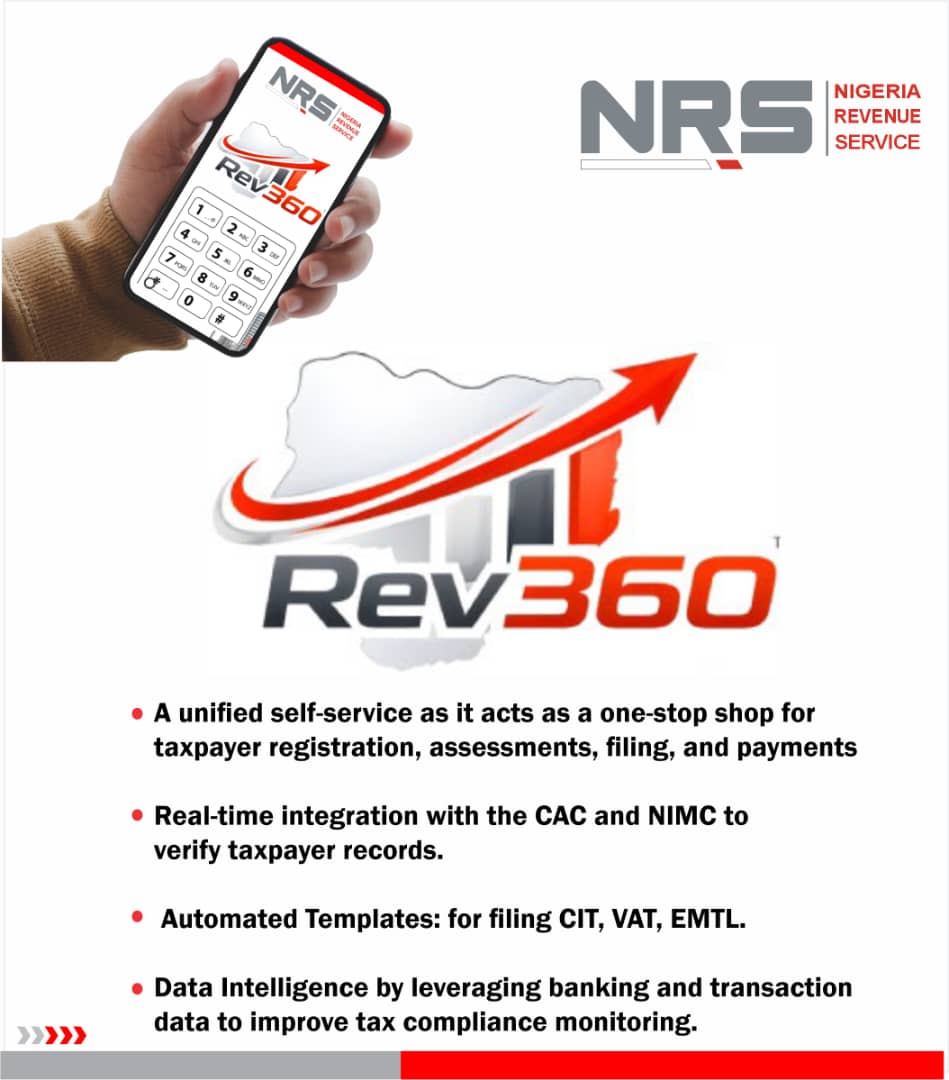
The board is working with the Nigeria Revenue Service and state internal revenue services to link existing taxpayer identification records to a national Tax Identification Number system.
The initiative is expected to improve verification of taxpayers’ records across state boundaries, reduce duplicate documentation and prevent repeated income tax demands caused by poor coordination among revenue authorities.
Adesokan said taxpayers would be able to retrieve their Tax IDs through designated online platforms using their personal details.
The board is also planning joint tax audits involving the Nigeria Revenue Service and state revenue authorities to minimise repeated inspections and disruptions to businesses.
The initiative is intended to reduce the administrative burden on businesses while strengthening coordination among tax authorities.
Adesokan urged Nigerians with complaints about tax administration to seek redress through the appropriate channels, including the Office of the Tax Ombud, which he said provides a free avenue for resolving taxpayer complaints.
The Joint Revenue Board, formerly known as the Joint Tax Board, received an expanded mandate under the Joint Revenue Board (Establishment) Act 2025.
Its responsibilities include coordinating tax administration, harmonising taxes and levies, resolving disputes between tax authorities and improving the sharing of tax-related data.
Adesokan said the ultimate test of the reforms would be whether they improve compliance, reduce the burden on businesses and support economic growth.
He added that the government’s objective was to establish a fair, equitable, accountable and transparent tax system without imposing demands beyond what taxpayers could reasonably bear.
 '
 '
Do you want to share a story with us? Do you want to advertise with us? Do you need publicity for a product, service, or event? Contact us on WhatsApp +2348183319097 Email: platformtimes@gmail.com
We are committed to impactful investigative journalism for human interest and social justice. Your donation will help us tell more stories. Kindly donate any amount HERE
 '
