

… Offers Free Treatment For Four Diseases, Including Elephantiasis, River Blindness
… Identifies Three Ogun LGAs As Highly Endemic For Schistosomiasis
Victoria Ikhedie
The Ogun State Government has warned residents against attributing neglected tropical diseases (NTDs) to spiritual attacks, urging them to seek prompt medical attention rather than resort to unverified remedies.
The government said misconceptions, stigma and poor awareness surrounding the diseases were contributing to late presentation and making efforts to control their spread more difficult.
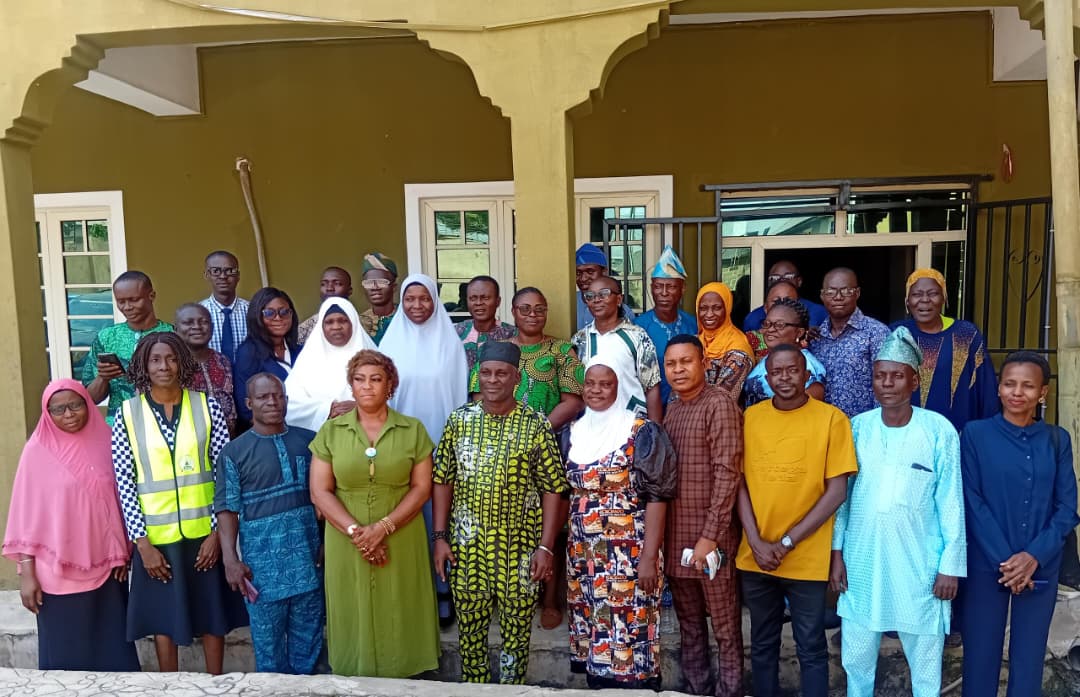
The State Coordinator of the Neglected Tropical Disease Control Programme, Dr Soneye Islamiat, gave the warning during a one-day stakeholders’ engagement organised by the NTD Unit of the Ministry of Health at the Nigerian Medical Association Hall, Leme, Abeokuta.
The engagement, sponsored by the United Nations Children’s Fund, brought together representatives of government ministries, educational institutions, community development associations, local government NTD coordinators and media organisations.
Islamiat said the state government was intensifying public enlightenment and training for healthcare workers to improve the identification, diagnosis and treatment of neglected tropical diseases.
She expressed concern that some healthcare professionals were still unfamiliar with diseases such as onchocerciasis and lymphatic filariasis, despite their continued prevalence in some communities.
The coordinator recalled an encounter with a consultant who initially considered the diseases to be conditions of the ancient world, warning that such misconceptions among medical personnel could undermine early detection and effective management.
She said, “I would not say we have a challenge with personnel. I would rather reframe it as even the healthcare workers are not aware of some of these diseases.”
According to her, the programme has adopted a two-pronged approach involving community sensitisation and capacity-building for healthcare workers to ensure that suspected cases are identified and referred for appropriate treatment.
Also speaking, a medical officer with the Ogun State Ministry of Health’s NTD Programme, Dr Okesola Oluwabukunmi Abiola, identified soil-transmitted helminthiasis, schistosomiasis, onchocerciasis and lymphatic filariasis as the four major neglected tropical diseases being managed in the state.
Abiola explained that the diseases were communicable infections acquired through exposure to contaminated soil, infected freshwater, blackfly bites and mosquito bites, respectively.
She said soil-transmitted helminthiasis was commonly contracted through the faeco-oral route, particularly among children who played with contaminated soil and subsequently put unwashed hands or objects into their mouths.
According to her, the infection could cause abdominal cramps, vomiting, anaemia, poor growth, stunted development and impaired cognitive development in children.
On schistosomiasis, she explained that infection occurred when people came into contact with freshwater containing infected snails that carried the parasite.
She said symptoms included painful urination and blood in the urine, adding that prolonged infection could result in serious health complications.
Abiola further explained that onchocerciasis, commonly known as river blindness, was transmitted through the bites of infected blackflies and could cause severe itching, skin changes, nodules and blindness in advanced cases.
She identified lymphatic filariasis, popularly associated with elephantiasis, as a mosquito-borne infection that could remain unnoticed for years before manifesting through abnormal swelling of the legs, scrotum, breasts or hands.
The medical officer dismissed misconceptions that the diseases were hereditary or spiritual, stressing that they were acquired infections that required medical intervention.
She also cautioned residents against assuming that previous treatment guaranteed permanent immunity, explaining that reinfection remained possible when individuals continued to expose themselves to sources of infection.
Abiola identified misinformation, spiritual beliefs, stigma and delayed hospital visits as major obstacles to the state’s elimination campaign.
“Some of them think all these things are spiritual attacks, and so they don’t get to go out enough, they don’t get to speak about it, they think they are not medical conditions,” she said.
She particularly urged residents experiencing unexplained swelling of the legs to visit the nearest primary healthcare centre for medical assessment, warning that failure to seek early intervention could result in severe complications and disability.
The official also appealed to residents to stop stigmatising people living with the diseases, urging them instead to encourage affected persons to seek professional medical attention.
She disclosed that treatment for the four diseases was available free of charge under the state government’s programme.
According to her, praziquantel is administered for schistosomiasis, albendazole for soil-transmitted helminthiasis, ivermectin for onchocerciasis, while a combination of ivermectin and albendazole is used in treating lymphatic filariasis.
She added that patients who had developed complications, including leg and scrotal swelling, could also access free medical management, including surgical interventions supported by development partners.
Meanwhile, the Deputy State Coordinator of the NTD Control Programme, Mrs Kafil-Emiola Mariam Abolajoko, traced the programme’s evolution in Ogun State to earlier interventions targeting schistosomiasis and onchocerciasis.
Abolajoko said the schistosomiasis control programme was revived in 2007 after becoming largely inactive, while the two disease-control initiatives were subsequently integrated into a coordinated neglected tropical disease programme.
She recalled that the programme initially encountered resistance during mass drug administration exercises, with some health workers and teachers facing opposition while attempting to administer preventive medicines to schoolchildren.
According to her, the experience compelled the programme to strengthen its engagement with traditional rulers, religious leaders, community leaders and other stakeholders to improve public acceptance.
She said the strategy had significantly enhanced the programme’s therapeutic and geographical coverage by encouraging community participation and cooperation.
The deputy coordinator identified Abeokuta North, Odeda and Yewa North Local Government Areas as highly endemic for schistosomiasis, describing them as the only three local government areas in Nigeria classified as highly endemic for the disease.
She further disclosed that impact assessments conducted after years of intervention had recorded a reduction in the number of local government areas classified as endemic for schistosomiasis and soil-transmitted helminths.
Abolajoko added that assessments were ongoing for onchocerciasis and lymphatic filariasis, noting that some local government areas had already attained the required thresholds for discontinuing mass drug administration.
The officials urged residents to participate in preventive drug administration exercises, warning that refusing medication could undermine efforts to eliminate the diseases.
They also called for stronger collaboration among government agencies, healthcare workers, schools, religious institutions, traditional rulers, community associations and the media to tackle misinformation and improve awareness.
The programme further advised residents to maintain proper personal and environmental hygiene, wash their hands regularly, use safe water and ensure proper food preparation to reduce the risk of infection.
The Ogun State NTD Control Programme is targeting the elimination of neglected tropical diseases in line with the global 2030 elimination agenda.


Do you want to share a story with us? Do you want to advertise with us? Do you need publicity for a product, service, or event? Contact us on WhatsApp +2348183319097 Email: platformtimes@gmail.com
We are committed to impactful investigative journalism for human interest and social justice. Your donation will help us tell more stories. Kindly donate any amount HERE