

.. N2.23 Trillion Paid in Ransoms in One Year
… Judicial Pressure Needed To Fix Security Crisis
Daud Olatunji
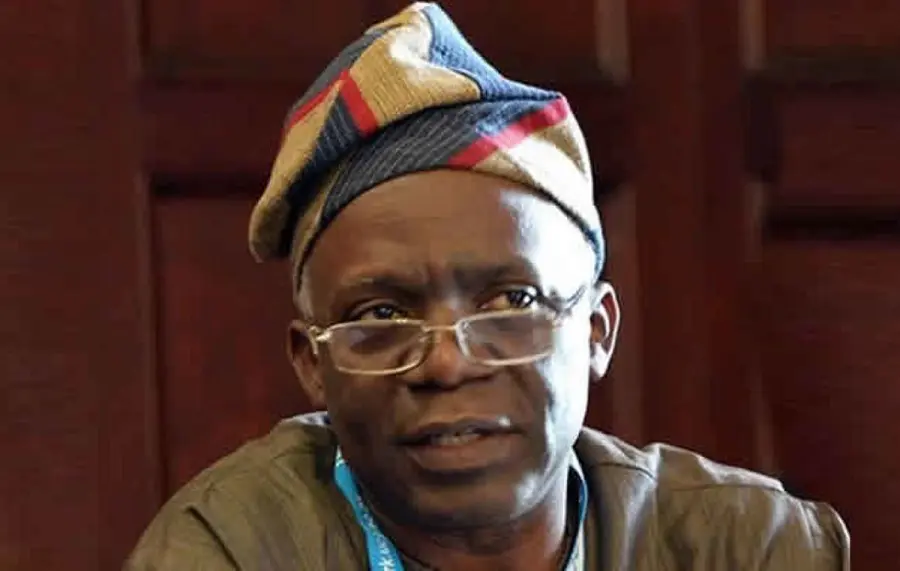
Human rights lawyer Femi Falana, SAN, has called on Nigerians who have paid ransoms to negotiate the release of kidnapped relatives to take legal action against the Federal Government, insisting they should demand a refund. He accused the state of a “gross dereliction of duty” in protecting its citizens, especially amid a crippling surge in abductions nationwide.
Falana made the remarks on Thursday during the opening of the Legal Year at Yakubu Gowon University’s Faculty of Law, Abuja.
He argued that by neglecting ordinary Nigerians, who often bear the brunt of ransom payments, the government has failed its constitutional obligation to safeguard lives under both the Nigerian Constitution and the African Charter on Human and Peoples’ Rights.
“Ordinary Nigerians are left to negotiate with terrorists and bandits. After paying ransom, they should proceed to court to compel the government to refund their money because the state failed to protect them,” Falana said.
He further criticised what he described as a “class‑biased response” to kidnapping, noting that security agencies tend to mount full-scale rescue operations only when politically exposed persons or wealthy individuals are abducted. In contrast, less privileged victims are left to fend for themselves in negotiations with kidnappers.
Falana argued that court‑ordered refunds would do more than just return money — they would help enforce citizens’ rights and apply pressure on the authorities to overhaul Nigeria’s failing security architecture.
Alarming Cost of Kidnapping
Falana’s intervention coincides with the disturbing findings of the 2024 Crime Experience and Security Perception Survey (CESPS) by the National Bureau of Statistics (NBS), which painted a bleak picture of kidnapping in Nigeria.
The survey estimates there were 2,235,954 kidnapping incidents in Nigeria between May 2023 and April 2024.
Among households that reported kidnappings, 65 percent paid a ransom.
The average amount paid per incident was about N2.7 million, leading to a total of around N2.23 trillion paid in ransoms during the reference period.
Rural areas recorded more kidnapping incidents (about 1,668,104 cases) than urban ones (567,850).
A Call for Judicial Pressure
Falana insisted that the only realistic path to redress for many victims is through the courts. He argued that litigation would not only force the government to compensate victims but also provoke much-needed reforms in Nigeria’s security mechanisms — including better intelligence, coordinated operations, and use of technology.
He believes that restoring citizens’ faith in the system requires judicial pressure. “Citizens must not only demand refunds,” he said, “they must also demand that the state fulfill its duty to protect them.”
Why This Matters
Falana’s pronouncement comes against a backdrop of growing distrust in Nigeria’s security architecture.
The massive ransom payments revealed in the NBS survey underscore how kidnapping has evolved into a lucrative criminal enterprise, sustained by weak law enforcement, porous communities, and accusations of insider collusion within security structures.
Security experts, echoing Falana’s concerns, warn that unless the government embraces coordinated, intelligence-based strategies, the kidnapping crisis will only continue to escalate.
 '
' '
'Do you want to share a story with us? Do you want to advertise with us? Do you need publicity for a product, service, or event? Contact us on WhatsApp +2348183319097 Email: platformtimes@gmail.com
We are committed to impactful investigative journalism for human interest and social justice. Your donation will help us tell more stories. Kindly donate any amount HERE
