

The Federal Government has attributed the protracted industrial dispute with the National Association of Resident Doctors (NARD) to deep-rooted structural and policy constraints, insisting that the standoff is not a product of neglect or indifference to the welfare of health workers.
This is coming as resident doctors plan to commence a nationwide strike from January 12 over what they described as the government’s failure to fully meet their long-standing welfare and professional demands.
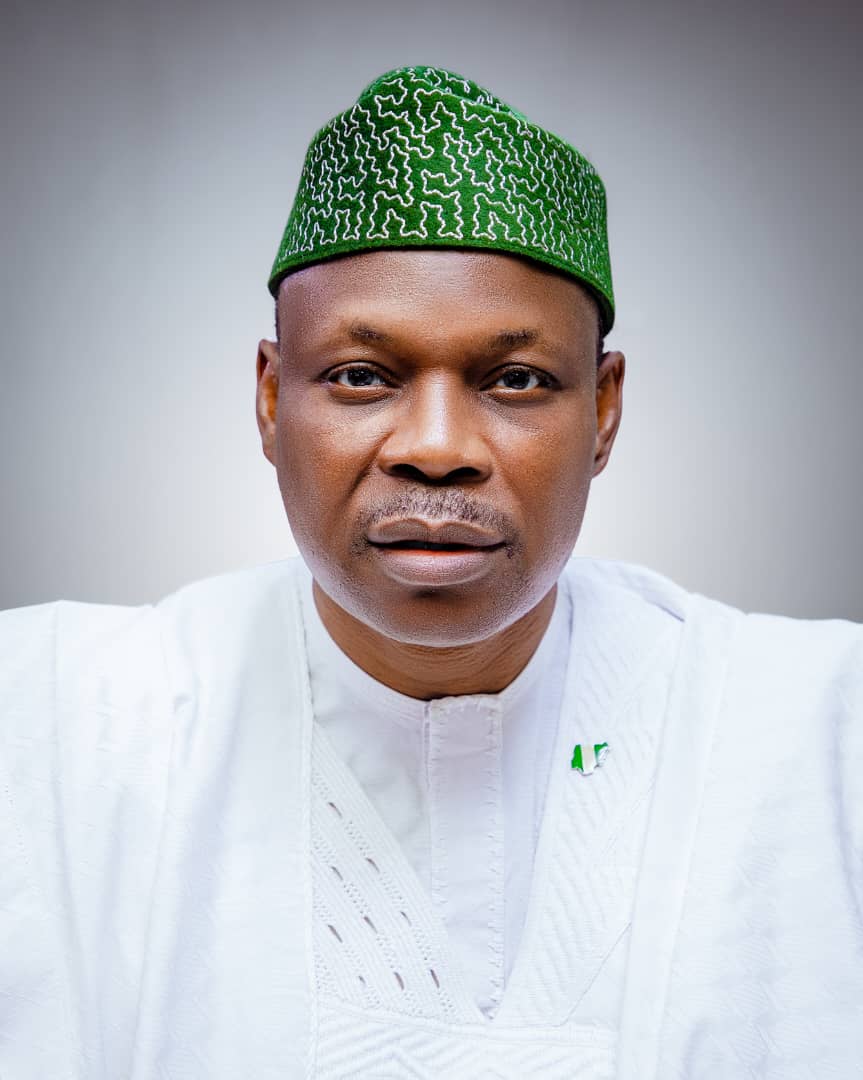
Speaking on a television programme on Tuesday, the Minister of State for Health and Social Welfare, Dr Iziaq Adekunle Salako, said the administration of President Bola Tinubu remained committed to industrial harmony and uninterrupted healthcare delivery, but must operate within existing fiscal and civil service frameworks.
Salako said, “The ongoing standoff is driven by structural and policy issues rather than neglect. Government would be glad to significantly raise the remuneration of health workers, but such decisions must be balanced with competing national obligations in education, security and infrastructure.”
He said the government demonstrated its commitment to health workers in November 2025 with the approval of an upward review of professional allowances, a decision which added nearly ₦90bn to annual government expenditure.
According to him, the increment covers call duty, shift duty, non-clinical duty and rural posting allowances, and was reached through joint negotiations involving all health professional groups.
The minister explained that past negotiations were often conducted separately with different health worker unions, a process he said fuelled internal disagreements and stalled progress.
“To address this, the ministry adopted a collective bargaining framework that brought doctors, nurses, laboratory scientists and other health professionals to the table at the same time,” Salako said.
On the demands of resident doctors, the minister disclosed that NARD’s requests had reduced from 19 to nine, describing this as evidence of progress in ongoing negotiations.
However, he noted that some of the outstanding issues were constrained by civil service rules and approved schemes of service.
Salako also ruled out the payment of specialist allowances to resident doctors, explaining that residents are specialists-in-training and that existing regulations reserve such allowances for consultants.
He added that the National Salaries, Incomes and Wages Commission had advised against extending specialist allowances to resident doctors, warning that doing so could trigger similar demands from other health workers undergoing specialist training.
Addressing claims of government inaction on certification matters, the minister clarified that the National Postgraduate Medical College does not issue certificates after Part I examinations, stressing that the policy was beyond the ministry’s control.
On the controversy surrounding the disengagement of five resident doctors in Lokoja, Kogi State, Salako said the matter arose from established civil service disciplinary procedures.
He disclosed that a ministerial review committee had recommended the reinstatement of two of the doctors, reprimand for another two, and a fresh disciplinary hearing for one, all in line with due process.
Salako assured Nigerians that the Ministry of Health, in collaboration with the Ministry of Labour and other stakeholders, remained committed to dialogue aimed at stabilising the health sector, preventing future disruptions and ensuring sustained access to healthcare services nationwide.
 '
' '
'Do you want to share a story with us? Do you want to advertise with us? Do you need publicity for a product, service, or event? Contact us on WhatsApp +2348183319097 Email: platformtimes@gmail.com
We are committed to impactful investigative journalism for human interest and social justice. Your donation will help us tell more stories. Kindly donate any amount HERE
