

… Inmates To Learn Modern Farming Skills Across 18 Centres
… Focus Shifts from Custody to Productivity and Human Development
… Inmates Engaged In Crop Cultivation, Poultry, Fishery, Processing
Daud Olatunji
The Federal Government has unveiled an ambitious plan to convert Nigeria’s correctional centres from traditional detention facilities into productive food production and vocational training hubs.
The initiative aims to equip inmates with modern agricultural skills and practical vocational expertise, while leveraging public-private partnerships (PPPs) to strengthen rehabilitation and societal reintegration.
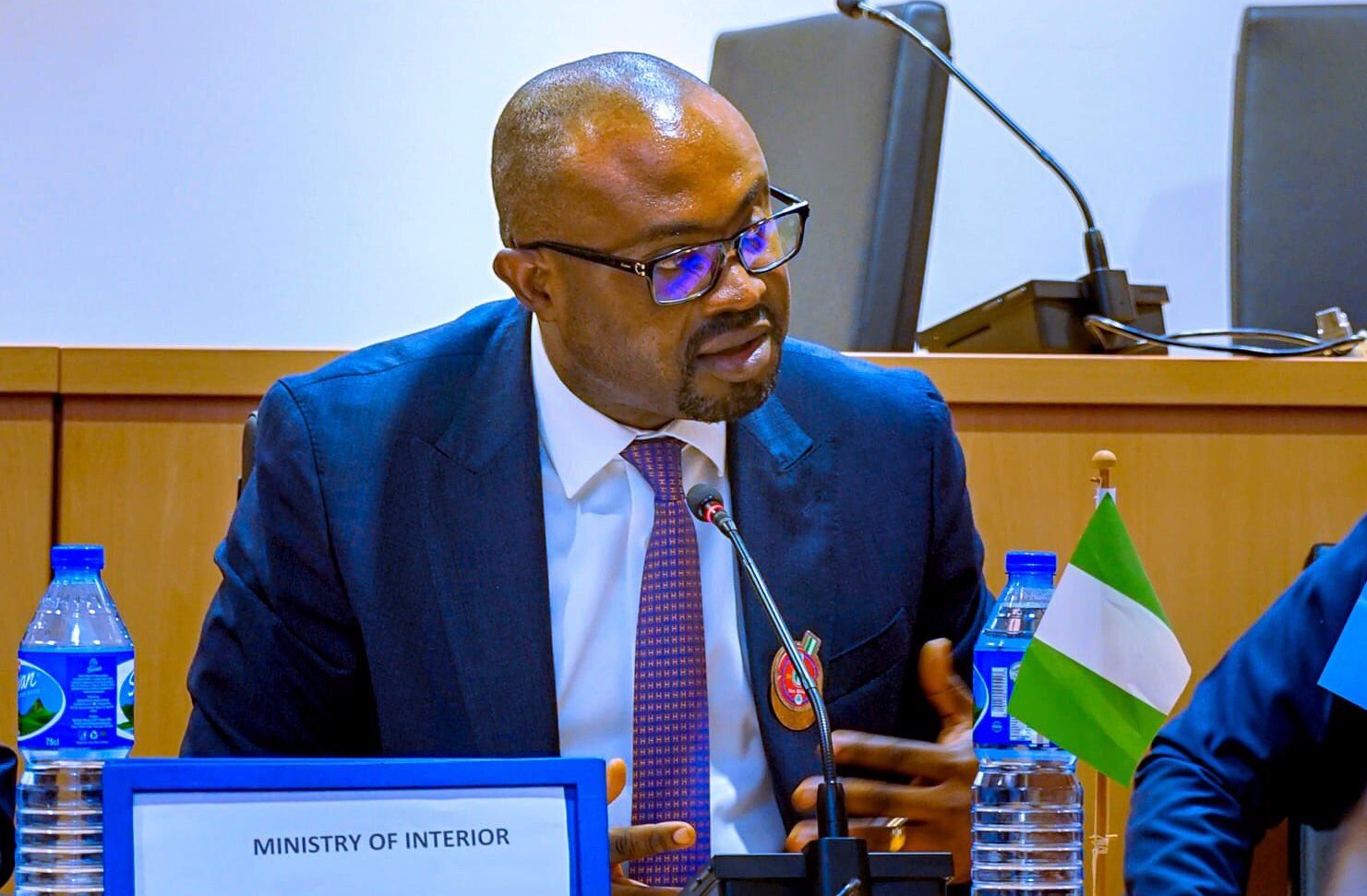
Minister of Interior, Dr. Olubunmi Tunji-Ojo, disclosed the initiative on Wednesday in Abuja during a stakeholders’ roundtable on Optimising Correctional Farm Centres and Public-Private Partnership Pathways for Inmate Reformation.
The event was organised by Hope Behind Bars Africa with backing from the European Union and the Rule of Law and Anti-Corruption (RoLAC) programme.
Speaking through the Ministry’s Permanent Secretary, Dr. Magdalene Ajani, Tunji-Ojo said the reform agenda seeks to reposition correctional centres as platforms for human development, not just custody.
“Correctional centres are no longer mere detention facilities; they are platforms for transformation, rehabilitation, and a new lease of life,” he said.
The minister added that PPPs are vital for the programme’s success, providing access to funding, technical expertise, and innovative solutions to modernise infrastructure, expand vocational training, and improve operational efficiency across prisons.
“Our goal is to produce disciplined, skilled, and productive citizens who return to society as assets, not liabilities,” Tunji-Ojo stressed.
Agriculture is central to the strategy. Correctional farm centres across the country will be upgraded into agribusiness hubs, exposing inmates to contemporary farming techniques, agro-processing, and value chain opportunities.
The initiative is designed to ensure that inmates gain practical skills that can support them after release, while contributing to national food security.
Controller-General of the Nigerian Correctional Service (NCoS), Sylvester Nwakuche, said the service currently operates 18 farm centres and 10 cottage industries across 10,000 hectares nationwide, covering fishery, poultry, piggery, and crop production.
He noted that facilities produce maize, rice, cassava, yam, soybeans, millet, and sorghum, but stressed that the full potential of these operations can only be unlocked through structured private-sector partnerships.
“This partnership approach will boost productivity, introduce modern agricultural practices, and align programmes with market realities to ensure inmates acquire employable skills,” Nwakuche said.
Funke Adeoye, Executive Director of Hope Behind Bars Africa, said the organisation’s Farming Justice Project, in collaboration with NCoS and supported by RoLAC, equips inmates with agricultural and entrepreneurial skills while addressing food insecurity in prisons including Kuje, Kirikiri Female, Dukpa, and Oko.
Inmates participate in structured programmes that cover behavioural change, financial literacy, crop cultivation, and fish production.
The initiative also targets non-agricultural sectors such as construction, ICT, and manufacturing, aimed at improving employability and reducing recidivism among inmates.
With this move, Nigeria joins a growing list of nations that are redefining the role of prisons—from mere punishment to rehabilitation and reintegration, ensuring inmates return to society as productive citizens.
 '
' '
'Do you want to share a story with us? Do you want to advertise with us? Do you need publicity for a product, service, or event? Contact us on WhatsApp +2348183319097 Email: platformtimes@gmail.com
We are committed to impactful investigative journalism for human interest and social justice. Your donation will help us tell more stories. Kindly donate any amount HERE
