

… Say No To Jailing Aspirants For Buying Delegates’ Votes
…Clause On Inducement Voted Down Unanimously
Aishah Waliyullah
The House of Representatives has rejected a proposal seeking to criminalise the inducement of delegates during party primaries, dealing a blow to efforts aimed at sanitising the internal democratic processes of political parties.
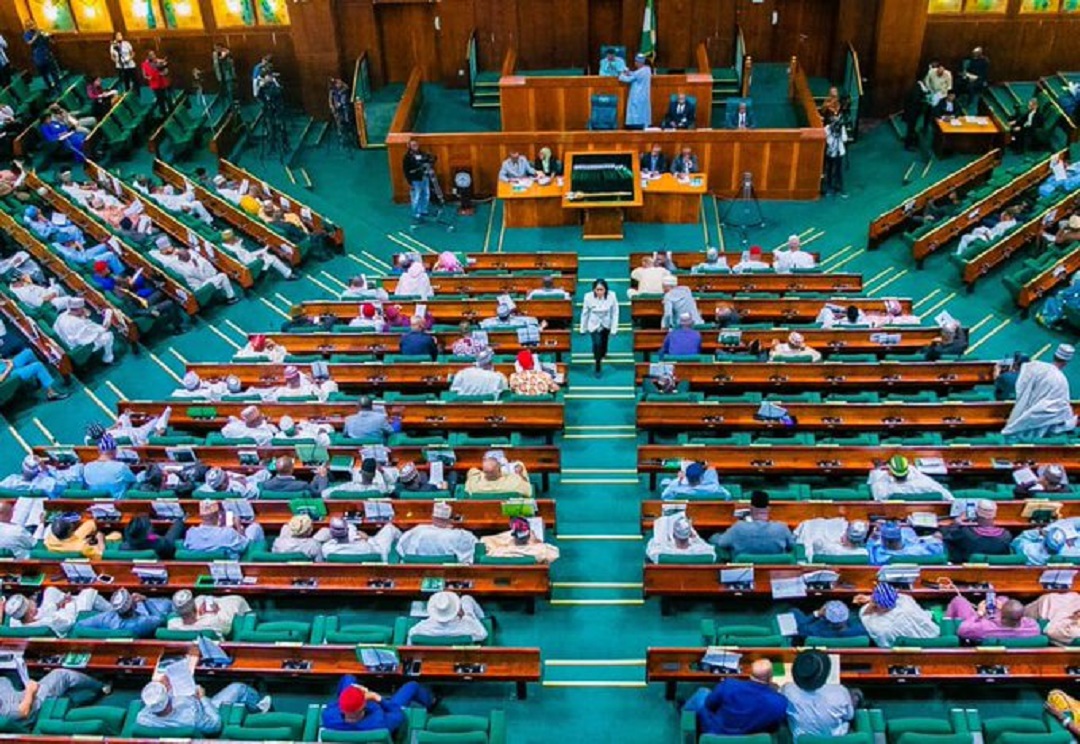
The lawmakers voted down the proposal on Thursday during the clause-by-clause consideration of a report on the amendment of the Electoral Act, 2022.
The controversial provision, contained in Clause 89(4) of the amendment report, sought to impose a two-year jail term, without an option of fine, on any person found guilty of financially or materially inducing delegates to influence the outcome of party primaries, congresses or conventions.
The clause reads: “A person that financially or materially induces a delegate for the purpose of influencing the outcome of the party primaries, congresses and conventions commits an offence and is liable on conviction to imprisonment of two years without an option of fine.”
However, the proposal suffered a decisive setback when the Deputy Speaker, Benjamin Kalu, who presided over the plenary, put the clause to a voice vote, with lawmakers unanimously rejecting it.
The decision has reignited concerns over the entrenched culture of inducement and monetisation of party primaries in Nigeria’s political system. Inducement of delegates—often through cash payments or material gifts by aspirants—has long been identified as a recurring feature of party congresses and conventions across political parties.
Political analysts attribute the persistence of the practice to the delegate-based primary system, which concentrates decision-making power in the hands of a relatively small group of party members, making them susceptible to financial influence.
Despite rejecting the proposal on delegate inducement, the House approved other stringent provisions aimed at curbing electoral malpractice, particularly offences relating to ballot papers and election materials.
Under the newly approved clauses, any person who, without lawful authority, prints ballot papers or materials capable of being used as ballot papers or result forms—or prints quantities beyond what is authorised by the Independent National Electoral Commission—commits an offence.
The provision also criminalises possession of ballot papers or result forms outside the voting process while an election is ongoing.
In addition, the House approved stiff penalties for the illegal manufacture, importation, possession or use of ballot boxes or election-related devices designed to allow ballot papers or result forms to be secretly inserted, diverted or manipulated.
Offenders, under the approved amendment, risk a fine of up to N75 million, imprisonment for a term of not less than 10 years, or both.
The contrasting decisions by the lawmakers—rejecting punishment for vote-buying during primaries while strengthening sanctions against general election offences—have sparked debate among civil society groups and electoral reform advocates, who argue that flawed party primaries often lay the foundation for compromised general elections.
The Electoral Act amendment process is expected to continue as the National Assembly considers further provisions ahead of future election cycles.
 '
' '
'Do you want to share a story with us? Do you want to advertise with us? Do you need publicity for a product, service, or event? Contact us on WhatsApp +2348183319097 Email: platformtimes@gmail.com
We are committed to impactful investigative journalism for human interest and social justice. Your donation will help us tell more stories. Kindly donate any amount HERE
