

Zainab Abioye
The Nigeria Centre for Disease Control and Prevention (NCDC) has raised fresh concerns over the rising toll of Lassa fever in the country, reporting 82 new infections and 20 deaths in a single week across 14 states, including the Federal Capital Territory (FCT).
The agency’s latest epidemiological report for week 7 of 2026 shows that cumulative fatalities from confirmed cases have reached 75, representing a case fatality rate (CFR) of 23 percent — up from 19.7 percent recorded during the same period last year.
Bauchi, Ondo, Taraba, and Edo states accounted for the bulk of infections, with Bauchi recording 33 percent of cases, Ondo 22 percent, Taraba 19 percent, and Edo 10 percent.
The remaining 16 percent of cases were spread across 10 other states, including Plateau, Gombe, Nasarawa, Kano, Ebonyi, Kogi, Kebbi, Kaduna, and Benue.
The report indicated that the disease affects mostly young adults, with the 21–30-year age group being the most vulnerable.
Cases have ranged from one to 90 years, with a median age of 30 years, and a slightly higher infection rate among males. Alarmingly, five healthcare workers contracted the virus during the reporting week.
The NCDC said the national Lassa fever Incident Management System (IMS) remains fully activated to coordinate response activities.
Rapid Response Teams have been deployed to seven high-burden states, while partners, including the World Health Organisation, Médecins Sans Frontières, the US Centers for Disease Control and UNICEF, have provided personal protective equipment, Ribavirin, and other essential supplies.
Despite the rising fatalities, the NCDC noted that the overall number of suspected and confirmed cases in 2026 remains lower than the same period in 2025.
The agency identified late presentation of cases, poor health-seeking behaviour due to high treatment costs, inadequate environmental sanitation, and low awareness in affected communities as key challenges.
It urged state governments to intensify year-round community engagement, while calling on healthcare workers to maintain strict infection control practices, promptly refer patients, and remain vigilant for early signs of the disease.
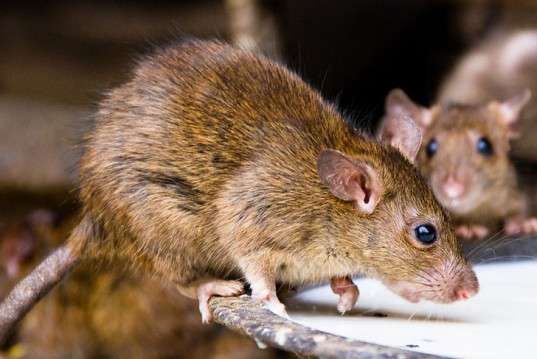
Lassa fever is a viral hemorrhagic illness transmitted to humans primarily through contact with food or household items contaminated by the urine or feces of infected rats.
Human-to-human transmission can occur through contact with bodily fluids. Early diagnosis and treatment with Ribavirin significantly improve chances of survival.
 '
' '
'Do you want to share a story with us? Do you want to advertise with us? Do you need publicity for a product, service, or event? Contact us on WhatsApp +2348183319097 Email: platformtimes@gmail.com
We are committed to impactful investigative journalism for human interest and social justice. Your donation will help us tell more stories. Kindly donate any amount HERE
