

… Senate Panel Says Trillions Could Return To Federal Coffers
…States Now Empowered To Generate Electricity Independently
…Removal Seen As Critical Step In 2026 Budget Reforms
Daud Olatunji
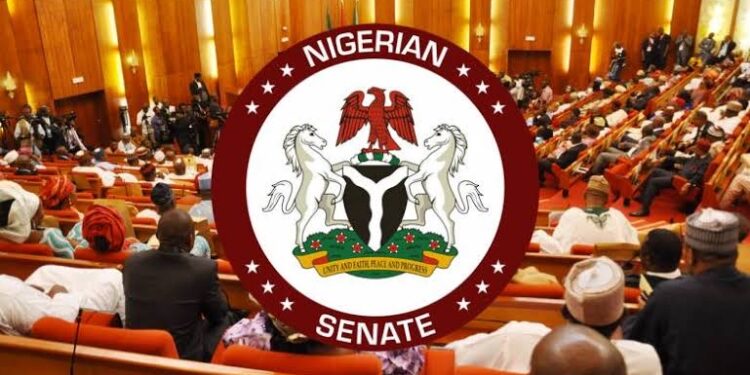
Members of the Senate Committee on Appropriations have called for the full removal of the electricity subsidy, describing it as a significant drain on federal finances.
The lawmakers made the recommendation on Monday during a public hearing on the 2026 budget proposal at the National Assembly.
Chairman of the committee, Senator Adeola Olamilekan (Ogun West), said the subsidy has become a major fiscal burden despite reforms in the power sector and the empowerment of states to generate electricity.
“We must complete the unbundling of the electricity sector and remove the subsidy entirely. States are now empowered to generate power, yet the subsidy continues to drain public resources. Addressing this is critical to freeing up revenue for the federal budget,” Olamilekan said.
The senator stressed that Nigeria’s budget is insufficient to meet the needs of all government agencies and that continued subsidy payments exacerbate the fiscal shortfall.
“By eliminating subsidies, we stop the outflow of funds that run into several trillions of naira, allowing these resources to return to government coffers,” he added.
Olamilekan further noted that reforms must be properly implemented to achieve results. “Reform is not enough on paper.
It depends on how effectively it is executed and embedded into government programmes.
This budget has been structured around these reforms, which is why we call it a budget of consolidation,” he said.
For years, the federal government has subsidised electricity consumption to reduce costs for consumers.
Analysts warn, however, that removing the subsidy could increase tariffs, worsen living conditions, and potentially force some businesses to scale down operations.
Senate Defends Borrowing
During the hearing, Olamilekan also defended the government’s plan to borrow about ₦25.91 trillion to finance part of the 2026 budget.
He noted that borrowing is a standard practice globally, including in advanced economies like the United States.
“Every government worldwide has a high debt-to-revenue ratio. Our projected revenues do not come in as expected; some months we project five trillion naira and receive only one. Borrowing is therefore necessary to bridge the gap,” he said.
The senator warned that failing to meet debt obligations could damage Nigeria’s credit rating and commended the current administration for maintaining timely debt servicing.
“We must continue to unlock revenue streams to address budget deficits. Failure to do so will automatically affect our ratings with the World Bank, IMF, and other agencies,” he said.
The hearing comes amid growing public concerns over the impact of subsidy removal and rising electricity tariffs on households and businesses.
 '
' '
'Do you want to share a story with us? Do you want to advertise with us? Do you need publicity for a product, service, or event? Contact us on WhatsApp +2348183319097 Email: platformtimes@gmail.com
We are committed to impactful investigative journalism for human interest and social justice. Your donation will help us tell more stories. Kindly donate any amount HERE
