

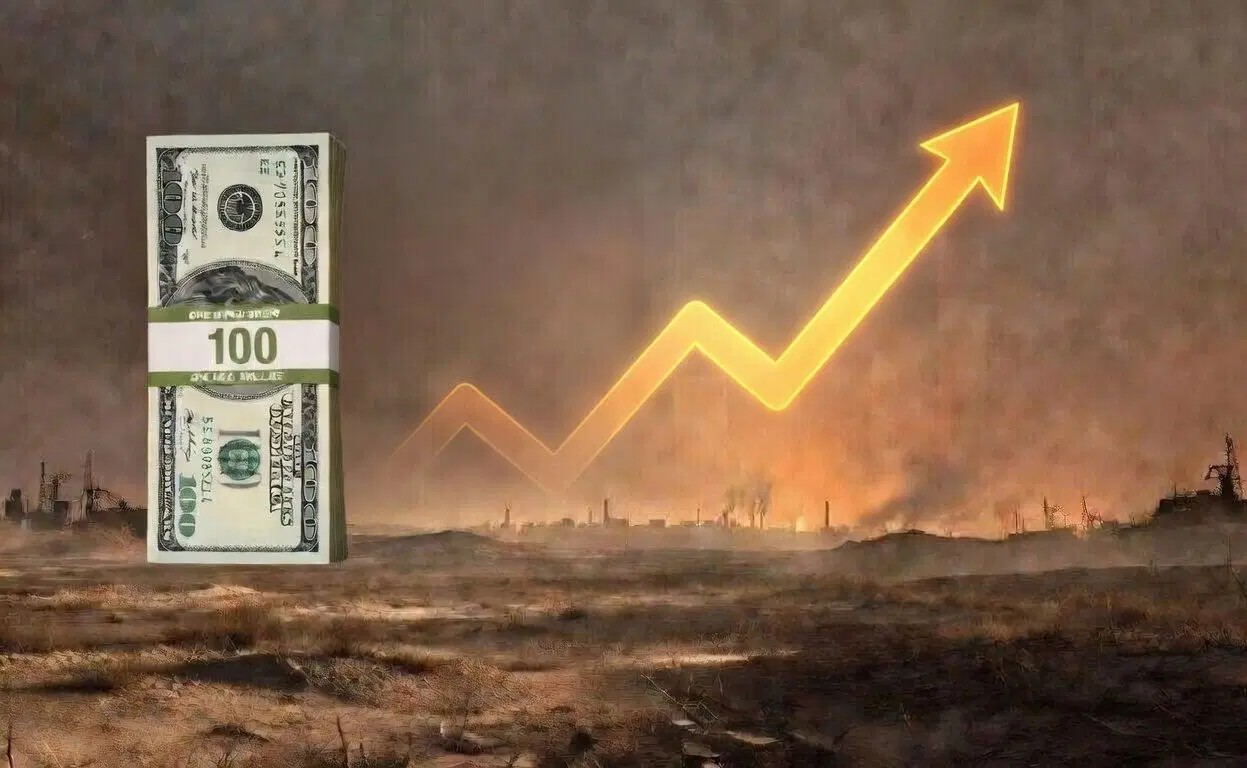
… Dangote, NECA, NLC, LCCI Warn Of Worsening Economic Hardship
…Petrol Hits Record Highs As Global Crisis Fuels Inflation
Daud Olatunji
Nigeria’s economy is under renewed strain as the ongoing Middle East conflict continues to trigger global oil price volatility, with stakeholders warning of imminent business closures, job losses and worsening living conditions across the country.
The warning came amid fresh concerns from business leaders and labour groups, as rising fuel costs and inflation bite harder on households and enterprises already grappling with economic pressures.
President of the Dangote Group, Aliko Dangote, cautioned that if the crisis persists, Nigeria and other African countries may be forced to adopt remote work arrangements similar to the COVID-19 era due to surging energy costs and weak economic buffers.
Speaking after a meeting with President Bola Tinubu in Lagos, Dangote warned that Africa lacks the financial reserves to withstand prolonged global shocks, noting that millions of citizens depend on daily earnings for survival.
“If this thing doesn’t de-escalate… we don’t have reserves… some people, if they don’t work that day, they won’t eat,” he said.
He added that the spike in oil prices would worsen inflation without corresponding wage increases, stressing that small businesses relying on generators would bear the heaviest burden.
Raising similar concerns, major economic stakeholders—including the Nigeria Employers Consultative Association (NECA), Nigeria Labour Congress (NLC), Lagos Chamber of Commerce and Industry (LCCI), and the Association of Small Business Owners of Nigeria (ASBON)—warned that Nigeria risks widespread business shutdowns and job losses if the situation persists.
NECA Director-General, Adewale-Smatt Oyerinde, described the situation as a “paradox,” where rising crude oil prices boost government revenue but simultaneously increase production costs and erode purchasing power.
“If this trend continues unchecked, we risk business closures, job losses, and a deeper cost-of-living crisis,” he warned.
He noted that petrol prices—now above N1,300 per litre in several locations—are driving up transport, food and production costs, while diesel prices approach N1,800 per litre.
Oyerinde stressed that energy costs remain central to economic activity, adding that any increase in fuel prices has immediate ripple effects across all sectors of the economy.
Similarly, NLC President, Joe Ajaero, urged the Federal Government to deploy part of the increased oil revenue to cushion citizens from the impact, insisting that both workers and businesses are already under severe pressure.
“Businesses and jobs are at risk… the government must act to provide relief,” he said.
LCCI Director-General, Dr. Chinyere Almona, warned that the geopolitical tensions are disrupting supply chains and increasing import costs, thereby fuelling inflation. ASBON President, Dr. Femi Egbesola, also cautioned that small businesses are facing rising operational costs and shrinking survival margins.
The crisis has already triggered sharp increases in fuel prices across major cities, with petrol selling between N1,320 and N1,371 per litre in Abuja and Lagos.
The development represents about a 55 per cent increase within three weeks, sparking public outrage as transport fares and living costs surge nationwide.
A Lagos-based taxi driver, Michael Ade, said the cost of fuel has significantly reduced his earnings, while commuters are now paying higher fares to cope with the situation.
“A trip that used to cost less is now unbearable.
The cost of living is rising daily,” he lamented.
In response to the growing hardship, governors under the Progressive Governors Forum (PGF) pledged to roll out palliative measures to cushion the effects of the crisis.
Chairman of the forum and Governor of Imo State, Hope Uzodimma, said the governors would strengthen food production, support small and medium enterprises, and expand social intervention programmes to ease inflationary pressures.
The governors also reaffirmed support for President Tinubu’s economic reforms, stressing the need for collaboration between federal and state governments to stabilise the economy.
Analysts, however, warned that Nigeria’s vulnerability is worsened by long-standing structural challenges, including weak infrastructure, energy inefficiencies, and fragile supply chains.
Stakeholders have called for urgent reforms, improved governance, and investment in sustainable energy solutions to build resilience and reduce dependence on volatile global oil markets.
As the crisis deepens, experts caution that without swift and coordinated intervention, Nigeria may face prolonged economic instability, with rising inflation, declining incomes, and intensified pressure on businesses and households.
 '
' '
'Do you want to share a story with us? Do you want to advertise with us? Do you need publicity for a product, service, or event? Contact us on WhatsApp +2348183319097 Email: platformtimes@gmail.com
We are committed to impactful investigative journalism for human interest and social justice. Your donation will help us tell more stories. Kindly donate any amount HERE
