

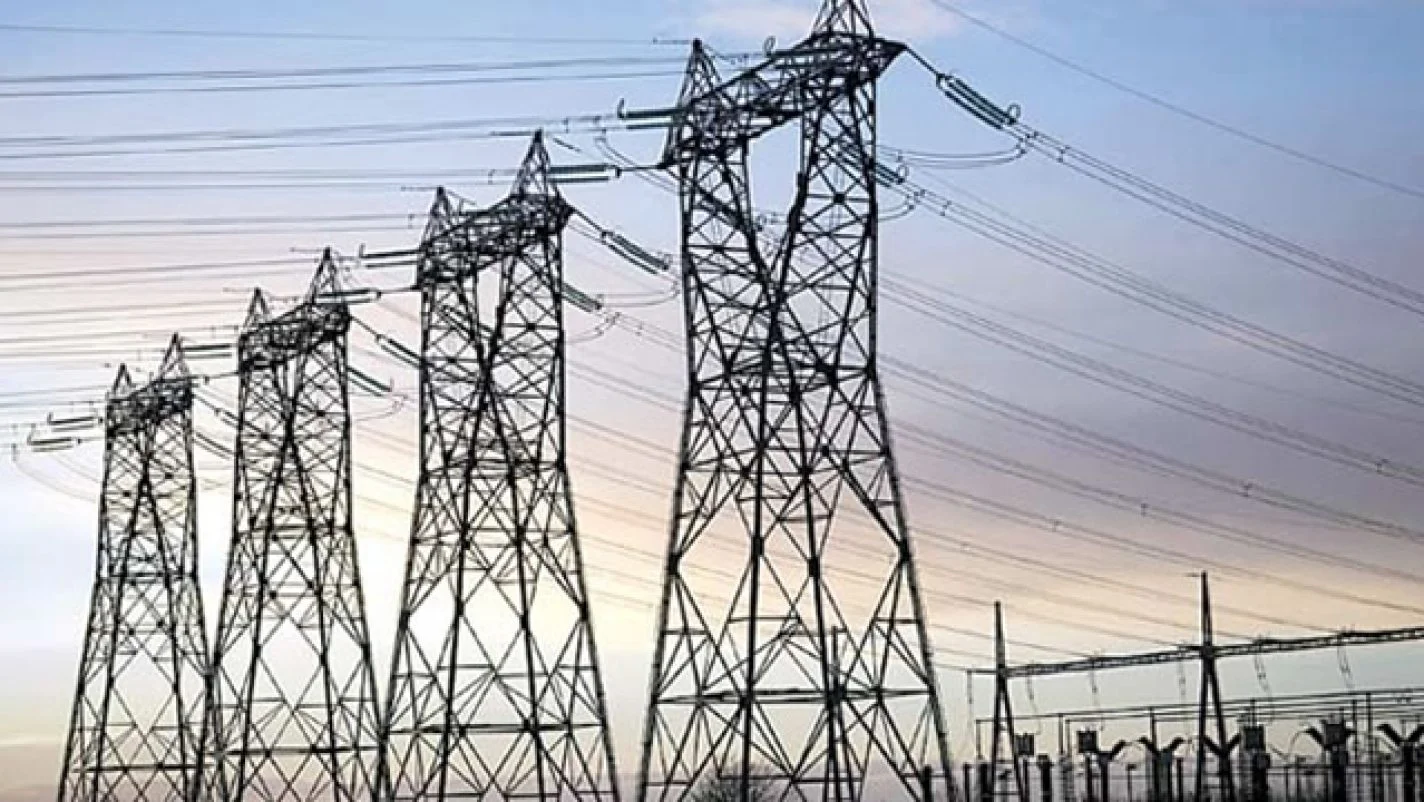
Nigeria was thrown into another round of nationwide power outages on Tuesday after the national electricity grid collapsed for the second time in five days, heightening concerns over the fragility of the country’s transmission infrastructure.
Data obtained from the Nigerian Independent System Operator (NISO) showed that electricity supply to the 11 electricity distribution companies (DisCos) dropped to zero megawatts at about 11am, while total generation fell sharply to as low as 39 megawatts, effectively shutting down power supply across most parts of the country.
The incident came barely four days after a similar collapse on January 23, marking the first grid failure of the year and adding to a long list of system breakdowns recorded in 2025, the most recent of which occurred on December 29.
In a statement, NISO attributed Tuesday’s collapse to a system-wide disturbance triggered by the tripping of multiple 330kV transmission lines and the disconnection of several generating units.
“Preliminary operational reports indicate that the disturbance was associated with the simultaneous tripping of multiple 330kV transmission lines, alongside the disconnection of some grid-connected generating units. These events collectively contributed to the system collapse,” the operator said.
However, hours after the disruption, NISO announced that the national grid had been fully restored and power supply returned to normal across affected areas.
Giving an update in Abuja, the system operator explained that the disturbance began at about 10:48am, originating from the Gombe Transmission Substation before rapidly spreading to Jebba, Kainji and Ayede substations.
“The event was accompanied by the tripping of some transmission lines and generating units, resulting in a partial system collapse. Appropriate corrective actions were immediately implemented to stabilise the system and restore normal operations. Restoration, which began at about 11:11am, has since been completed,” NISO said.
The agency clarified that the incident did not amount to a total grid collapse, contrary to some media reports, insisting that only part of the network was affected.
Nevertheless, the repeated failures have renewed public frustration over Nigeria’s unstable power supply, with businesses and households once again forced to rely on generators amid rising fuel costs.
Industry analysts say the frequent grid collapses reflect longstanding weaknesses in the transmission network, including ageing infrastructure, poor system protection and inadequate investment, warning that without urgent reforms, the outages may persist.
The federal government has repeatedly pledged to stabilise the grid and improve electricity delivery, but the latest collapse underscores the scale of the challenge confronting the power sector.
 '
' '
'Do you want to share a story with us? Do you want to advertise with us? Do you need publicity for a product, service, or event? Contact us on WhatsApp +2348183319097 Email: platformtimes@gmail.com
We are committed to impactful investigative journalism for human interest and social justice. Your donation will help us tell more stories. Kindly donate any amount HERE
