

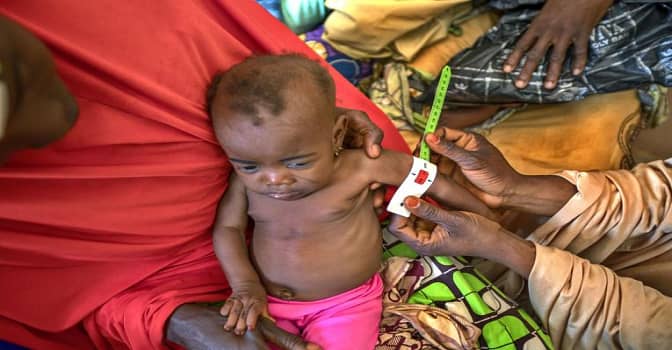
A nutrition expert has raised the alarm over the worsening malnutrition crisis in Kano State, following revelations that more than half of children under the age of five in the state are stunted.
The Chairman of the Institute of Dietetics in Nigeria (IDN), Kano State Chapter, Dr Auwal Musa Umar, disclosed that 51.9 per cent of children under five in Kano suffer from stunting, describing the figure as “deeply alarming” and a clear indicator of chronic malnutrition.
Dr Umar made the disclosure in an interview, where he called for urgent and coordinated intervention by the government, media organisations and other critical stakeholders to avert a looming public health disaster.
According to him, malnutrition remains one of the most serious health challenges facing children in Kano, particularly those within the vulnerable under-five age bracket, with long-term consequences for physical growth, cognitive development and overall wellbeing.
Citing data from the 2023–2024 National Demographic and Health Survey, the nutritionist noted that Kano’s stunting rate is significantly higher than that of some other states, pointing out that Rivers State recorded just 12.1 per cent.
He explained that stunting reflects prolonged nutritional deprivation and recurrent infections, stressing that the figures highlight years of inadequate attention to child nutrition in the state.
Dr Umar, who works with the Kano State Ministry of Health as a Senior Nutrition Officer and Assistant State Health Educator, described nutrition as the scientific process through which food is consumed, absorbed and utilised by the body to sustain life and health.
He said malnutrition occurs when there is a deficiency, excess or imbalance of essential nutrients, adding that undernutrition — characterised by stunting, wasting and underweight — is the most prevalent form in Kano.
Identifying the root causes of the problem, he listed poor nutrition knowledge, unhealthy feeding practices, lack of dietary diversity, unsafe water and poor sanitation as major contributors.
“Many households have access to food, but they lack the knowledge to combine food groups properly. People often eat from the same food group without adequate proteins, fruits or vegetables,” he said.
Dr Umar also linked poor access to clean water and hygiene to the prevalence of diarrhoea and vomiting among children, conditions which further deplete nutrients and worsen malnutrition.
To reverse the trend, the IDN chairman urged the Kano State Government to prioritise nutrition by employing more qualified nutritionists and dietitians across health facilities, noting that nutrition interventions cut across health, agriculture and information sectors.
He also called on media organisations to intensify public enlightenment through sustained programmes, jingles and grassroots campaigns on healthy eating and child nutrition.
According to him, strengthening agriculture through modern farming methods, improving nutrition education and deploying trained professionals are critical steps towards reducing malnutrition and safeguarding the future of children in Kano State.
 '
' '
'Do you want to share a story with us? Do you want to advertise with us? Do you need publicity for a product, service, or event? Contact us on WhatsApp +2348183319097 Email: platformtimes@gmail.com
We are committed to impactful investigative journalism for human interest and social justice. Your donation will help us tell more stories. Kindly donate any amount HERE
