

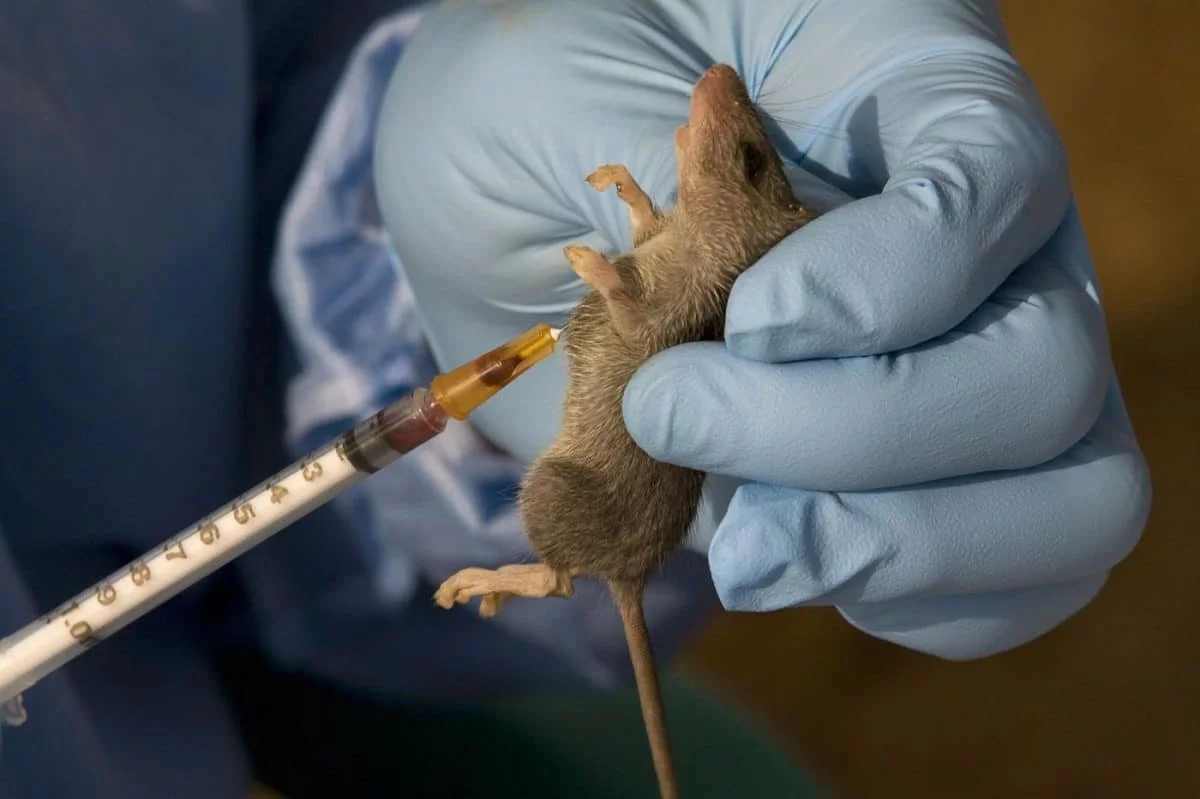
The fatality rate of Lassa fever has surged alarmingly across several Nigerian states, with health authorities warning that one in every four infected persons is now dying as the disease spreads rapidly in parts of the country.
Data from the Nigeria Centre for Disease Control and Prevention and humanitarian organisation Médecins Sans Frontières indicate that the outbreak has hit hardest in Bauchi, Taraba and Katsina states, raising fresh concerns over the country’s capacity to contain the epidemic.
In Bauchi State alone, MSF reported 311 confirmed cases and 68 deaths between October 2025 and March 23, 2026, underscoring the severity of the outbreak.
Medical outreach teams have since been deployed to Bauchi, Kirfi, Toro and Tafawa Balewa Local Government Areas to intensify early detection, isolation and referral of suspected cases.
An MSF official, Abdulkareem Yakubu, said the organisation is scaling up the training of health workers while also combating misinformation, which he identified as a major driver of delayed treatment.
Similarly, Taraba State has recorded significant casualties, with no fewer than 50 deaths confirmed at the Federal Medical Centre, Jalingo, between November 2025 and March 2026.
A senior physician at the facility, Abubakar Kirim, described the situation as dire, noting that the hospital is grappling with an acute shortage of medical doctors amid the rising caseload.
Kirim attributed the increasing spread of the disease to poor public awareness and called on all tiers of government to intensify advocacy and preventive interventions.
In Katsina State, health experts have also raised the alarm over a growing fatality rate. An infectious diseases consultant at the Federal Teaching Hospital, Katsina, Mohammed Sani Abubakar, warned that the current outbreak is not only spreading but becoming deadlier.
Abubakar, who also chairs the state chapter of the Nigerian Medical Association, revealed that more than 1,000 suspected and confirmed cases have been recorded nationwide this year, with about 145 deaths.
He noted a disturbing shift in the epidemiology of the disease, explaining that while previous outbreaks were concentrated in the North-East and parts of the South-South, over 90 per cent of current cases are now reported in frontline states including Benue, Ondo, Taraba, Edo and Plateau.
“This shift may not be unconnected with climate change, insecurity, displacement of communities, poor hygiene and increased movement of rodents into homes,” he said.
In Katsina, three confirmed cases have so far been recorded, with two deaths reported in Funtua and Kafur Local Government Areas.
MSF, which is currently responding to the outbreak in six states, disclosed that Nigeria has recorded 516 confirmed cases and 135 deaths so far in 2026 — representing a 31 per cent increase compared to the same period last year.
The organisation warned that the disease remains difficult to detect early because its symptoms often mimic common illnesses such as malaria and typhoid, leading to late presentation at treatment centres.
“Lassa fever disguises itself. By the time many patients arrive at our facilities, they are already critically ill,” said MSF Emergency Programme Manager, Dr Ayokunnu Raji.
Health experts say the virus is primarily transmitted through contact with food or household items contaminated by rodents, as well as exposure to bodily fluids of infected persons. While many cases are mild, severe infections can be fatal if not promptly treated.
Authorities have urged Nigerians to maintain proper hygiene, store food safely and seek immediate medical attention upon noticing symptoms, as efforts intensify to curb the escalating outbreak.
 '
' '
'Do you want to share a story with us? Do you want to advertise with us? Do you need publicity for a product, service, or event? Contact us on WhatsApp +2348183319097 Email: platformtimes@gmail.com
We are committed to impactful investigative journalism for human interest and social justice. Your donation will help us tell more stories. Kindly donate any amount HERE
