

By Solanke Ayomideji Taiwo
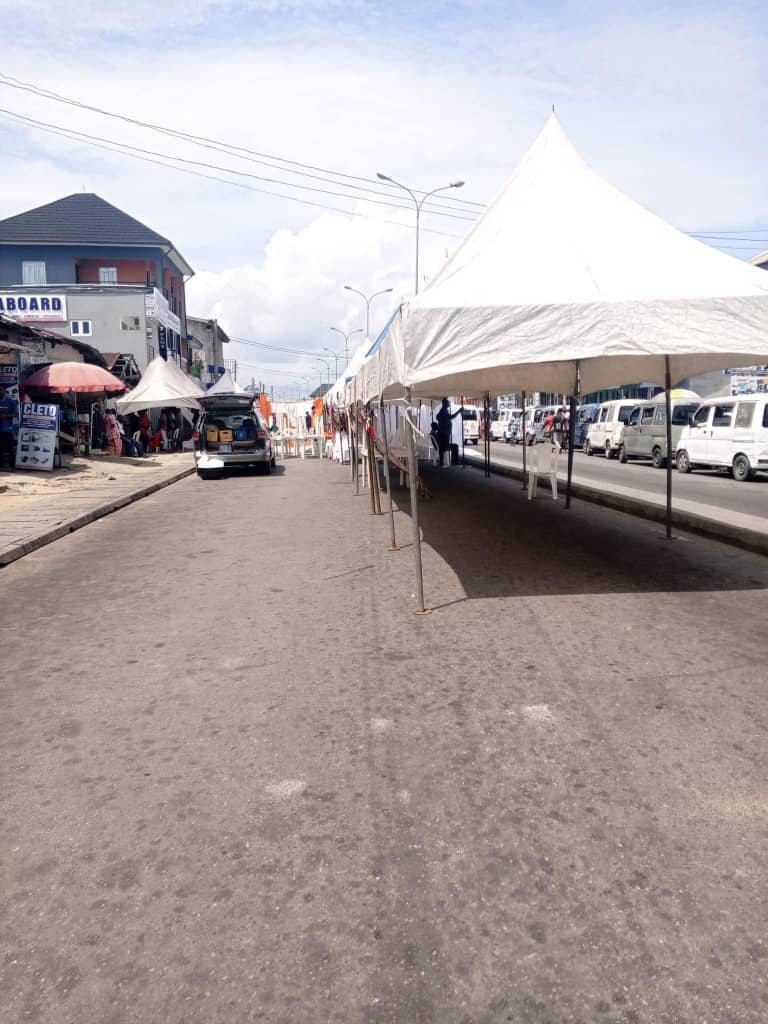
The persistent blockage of tarred roads for parties, carnivals, and social gatherings in Abeokuta South Local Government has once again brought to the fore a troubling reality: a breakdown of local governance and a growing culture of lawlessness among residents.
Across many communities in Abeokuta South, residents now see it as normal practice to barricade major roads whenever they are celebrating weddings, funerals, birthdays, or cultural events. Streets meant for free movement suddenly become dance floors, complete with canopies, loud music, parked vehicles, and crowds. This dangerous trend has thrived largely because residents believe—often correctly—that no one will question or sanction them.
At the center of this failure is the Abeokuta South Local Government administration, led by its Executive Chairman, Balogun Afeez Olaniyi. The unchecked excesses happening daily on public roads reflect gross incompetence on the part of the local government executives, who have either failed or refused to enforce existing laws governing public safety and road usage.
More disturbing is the perception—and in some cases open boasting—that many offenders are politically connected. Some residents who engage in these illegal road blockages openly claim closeness to local government executives or even to the chairman himself. Others brag that “nothing will happen” because they are part of the government or protected by it. This sense of immunity has emboldened residents to act without fear, turning public infrastructure into private property at will.
A Threat to Lives and Public Safety
Blocking major roads is not a harmless cultural expression; it is a serious public safety risk. When roads are blocked without planning or authorization, emergency responders such as ambulances, fire services, and police patrols are delayed or completely cut off. In medical emergencies, these delays can mean the difference between life and death.
Sudden road blockages also increase the risk of traffic accidents, especially when drivers encounter barricades unexpectedly. Pedestrians—many of them dancing, drinking, or distracted—are placed in harm’s way. At night, poor visibility further heightens the danger, increasing the likelihood of serious injuries or fatalities.
Beyond traffic risks, overcrowding at these unregulated events can lead to stampedes, fights, and violence, often worsened by alcohol or substance use. With no safety barriers, trained marshals, medical personnel, or emergency exits, a minor incident can quickly escalate into a disaster.
Disrupting the Community
The impact goes beyond immediate safety concerns. Road blockages disrupt daily life for law-abiding residents, workers, traders, and students. Access to homes, hospitals, schools, and businesses is routinely denied, breeding frustration and resentment within communities. Over time, this erodes trust in local authorities and deepens the divide between citizens and government.
Weather conditions also play a role. Sudden rain or extreme heat can turn already unsafe gatherings into chaotic scenes, while drivers forced to find alternative routes react unpredictably, compounding the risk.
A Better Way Forward
Celebration is an important part of social and cultural life, and no one is calling for its abolition. However, celebration must not come at the cost of public safety and order. What is needed is firm, fair, and transparent regulation.
Local governments, including Abeokuta South, should implement a clear permit system for any event that affects public roads or spaces, with defined penalties for violations. Rapid-response enforcement teams must act swiftly to dismantle illegal blockages before crowds grow. Emergency routes should be treated as sacred, with zero tolerance for obstruction.
Public education campaigns are also crucial to inform residents of the dangers and legal consequences of blocking roads. At the same time, authorities should provide safer alternatives by designating approved streets, parks, and open spaces for community celebrations, supported by affordable permits and proper traffic management.
Most importantly, accountability must be enforced without favoritism. Event organizers should be held legally responsible for disruptions, injuries, or damages, and repeat offenders should face escalating sanctions.
The Bottom Line
The ongoing blockage of tarred roads in Abeokuta South is more than a nuisance—it is a clear symptom of governance failure and unchecked lawlessness. Until the local government demonstrates the political will to enforce the law impartially, residents will continue to abuse public spaces, and innocent lives will remain at risk.
Celebrations should unite communities, not endanger them. The choice before Abeokuta South Local Government is simple: continue to look away, or act decisively to restore order, safety, and respect for the rule of law.
 '
' '
'Do you want to share a story with us? Do you want to advertise with us? Do you need publicity for a product, service, or event? Contact us on WhatsApp +2348183319097 Email: platformtimes@gmail.com
We are committed to impactful investigative journalism for human interest and social justice. Your donation will help us tell more stories. Kindly donate any amount HERE
