

By Precious Akinola
Leadership in Ijebuland has never been accidental. It has always carried a clear responsibility: to protect what has been inherited while guiding the community forward. These two duties have never been in conflict. In fact, Ijebu history shows that tradition survives best when it is led by people who understand change, rather than fear it.
From early trade and education to community organisation and governance, the Ijebu people have long approached leadership with intention. Decisions were not made in haste. Authority was exercised with care. Elders were consulted, processes respected, and the future considered alongside the past. This was not weakness; it was wisdom.
Over time, this approach shaped a leadership culture known for restraint, foresight, and discipline.
Leaders were expected to listen before speaking, to act with dignity, and to place the institution
above personal ambition. These values helped the Ijebu people adapt to changing political, social, and economic realities without losing their cultural authority.
That ability to adapt has never been more important than it is today.
Leadership in the modern era goes beyond ceremony. Communities now look to their leaders for moral clarity, unity, and the ability to engage confidently with the wider Nigerian society and the global world beyond it. Tradition alone is no longer enough. Neither is modernity without roots.
What is required is balance.
Ijebu leadership has always understood this balance instinctively. It is visible not only in
governance, but in everyday Ijebu life, in enterprise, in education, and even in cultural expression.
The lesson is simple: progress must be guided, and tradition must be protected, not frozen.
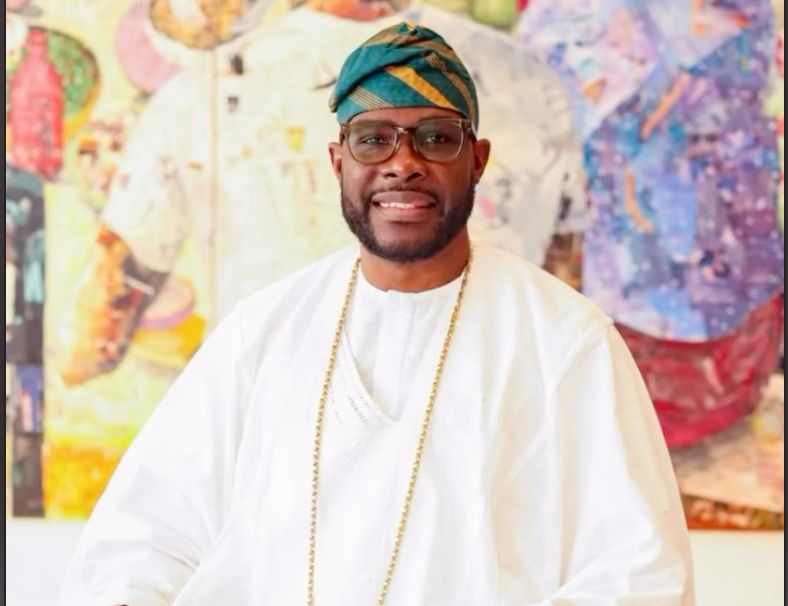
It is within this continuing tradition that figures like Omooba Abimbola Onabanjo stand out. His life reflects a familiar Ijebu pattern, preparation before prominence.
Engagement with culture and
community sits alongside professional competence and an understanding of how modern societies function. This is not a rejection of tradition, but a deeper expression of it.
Illustrious leadership, therefore, is not about choosing between the past and the future. It is about interpreting tradition intelligently, understanding its spirit, not just its form. Leaders who do this are able to protect cultural integrity while positioning Ijebuland confidently within contemporary Nigeria.
The Ijebu people have always valued leaders who act with calm authority and respect institutions
over personal ambition. These qualities have preserved unity through periods of uncertainty and change. They remain the foundation of legitimate leadership today.
As Ijebuland looks ahead, the question is not whether tradition will endure. History has already
answered that. The real question is who will steward it responsibly, with wisdom, patience, and a clear sense of direction.
Leadership that reflects Ijebu excellence must combine historical awareness with forward vision, cultural authority with modern competence. When these qualities come together, leadership does more than preserve the past; it prepares the future.
That has always been the Ijebu way.
Akinola sent this in from Ijebu Ode
Precious Akinola is a Public Sector Communications and Data Analyst passionate about good governance, public policies, and human rights activism.
 '
' '
'Do you want to share a story with us? Do you want to advertise with us? Do you need publicity for a product, service, or event? Contact us on WhatsApp +2348183319097 Email: platformtimes@gmail.com
We are committed to impactful investigative journalism for human interest and social justice. Your donation will help us tell more stories. Kindly donate any amount HERE
