

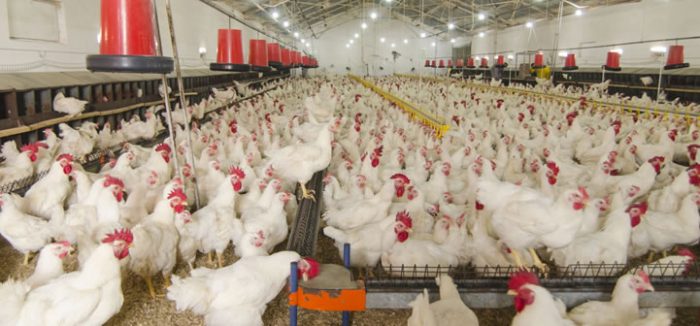
The Saudi Food and Drug Authority has banned the importation of poultry meat and table eggs from Nigeria and 39 other countries over concerns about animal disease outbreaks, particularly highly pathogenic avian influenza.
The decision, announced in a statement by the authority and reported by Gulf News on Tuesday, forms part of what it described as precautionary measures to safeguard public health and ensure food safety in the kingdom’s domestic market.
Nigeria, South Africa, the United Kingdom, Ghana, Egypt, China, India and Germany are among countries affected by the full import prohibition.
Others on the list include Afghanistan, Azerbaijan, Indonesia, Iran, Bosnia and Herzegovina, Bulgaria, Bangladesh, Taiwan, Djibouti, Iraq, Palestine, Vietnam, Cambodia, Kazakhstan, Cameroon, South Korea, North Korea, Laos, Libya, Myanmar, Mexico, Mongolia, Nepal, Niger, Hong Kong, Japan, Burkina Faso, Sudan, Serbia, Slovenia, Côte d’Ivoire and Montenegro.
The authority stated that the list of affected countries would be subject to continuous review in line with global epidemiological developments and risk assessments.
According to the regulator, some of the bans have been in place since 2004, while others were introduced gradually based on international reports of outbreaks of avian influenza and other transboundary animal diseases.
In addition to the outright ban on 40 countries, partial restrictions were imposed on specific states or cities in 16 others, including Australia, the United States, Italy, Belgium, Bhutan, Poland, Togo, Denmark, Romania, Zimbabwe, France, the Philippines, Canada, Malaysia, Austria and the Democratic Republic of Congo.
However, the authority clarified that the temporary restriction does not apply to heat-treated poultry meat and related products, provided they comply with approved health and safety standards.
The development could have implications for poultry exporters in Nigeria, though industry stakeholders say the country’s poultry sector is largely driven by domestic consumption, with limited formal export penetration into Middle Eastern markets.
Efforts to obtain reactions from officials of the Federal Ministry of Agriculture and Rural Development as of press time were unsuccessful.
Avian influenza, commonly known as bird flu, has triggered import restrictions across several regions globally in recent years, as countries tighten biosecurity measures to prevent the spread of the virus through cross-border trade.
 '
' '
'Do you want to share a story with us? Do you want to advertise with us? Do you need publicity for a product, service, or event? Contact us on WhatsApp +2348183319097 Email: platformtimes@gmail.com
We are committed to impactful investigative journalism for human interest and social justice. Your donation will help us tell more stories. Kindly donate any amount HERE
