

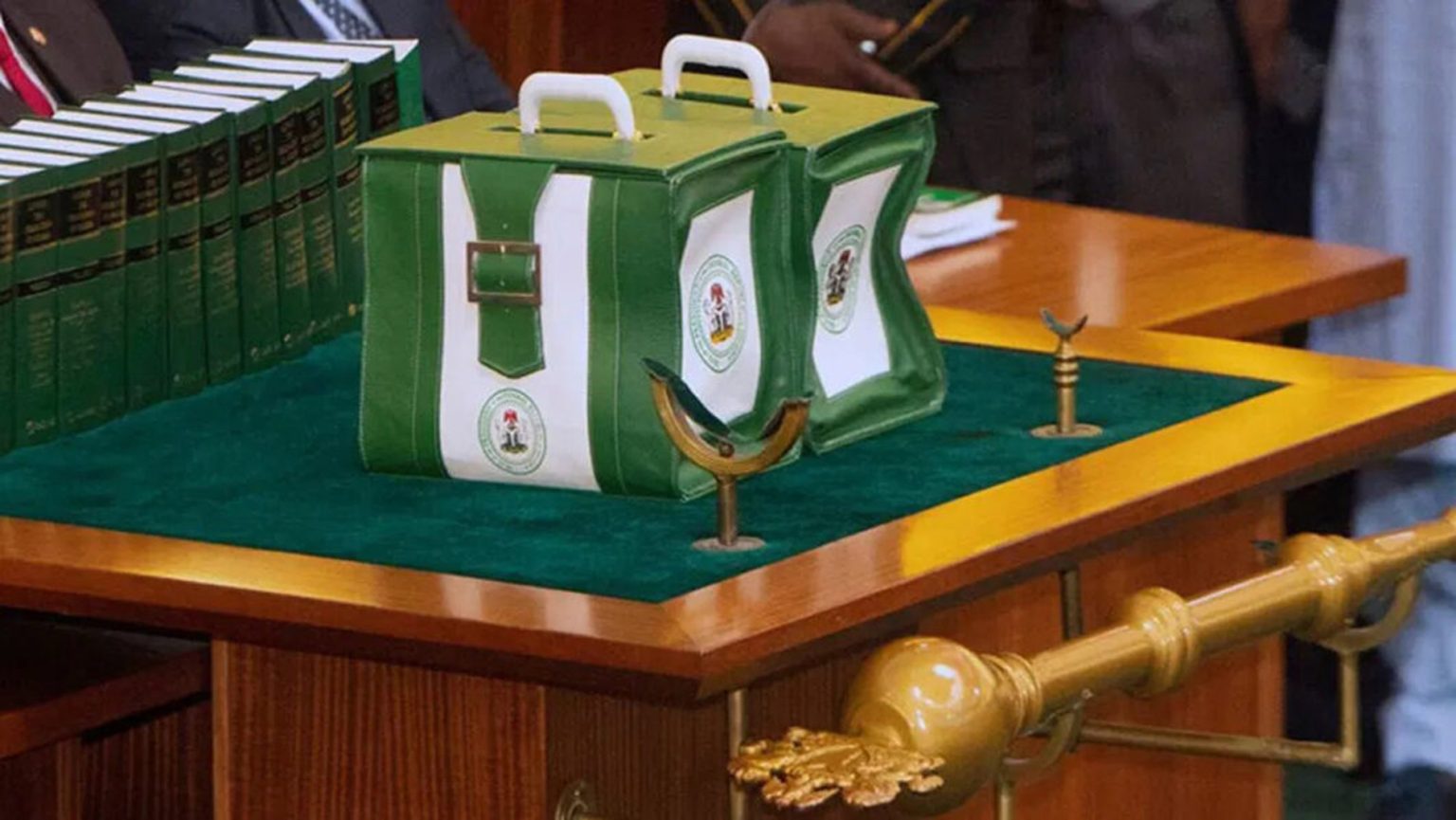
Nigeria will expend a staggering ₦15.81 trillion on servicing public debt in the 2026 fiscal year, underscoring mounting fiscal pressures in the country’s record ₦68.32 trillion budget.
The spending plan, recently approved by the National Assembly and signed into law by President Bola Ahmed Tinubu, allocates a significant portion of total expenditure to debt obligations, raising fresh concerns over the sustainability of the nation’s public finances.
Analysis by civic tech organisation BudgIT revealed that debt servicing ranks among the largest expenditure components, nearly rivaling allocations for capital and recurrent spending.
A breakdown of the budget shows that ₦32.29 trillion is earmarked for capital projects, ₦15.43 trillion for recurrent (non-debt) expenditure, and ₦4.79 trillion for statutory transfers, while debt servicing alone gulps ₦15.81 trillion.
The Federal Government projects revenue of ₦36.87 trillion, leaving a deficit of about ₦31.45 trillion. The shortfall is expected to be financed primarily through borrowing, with ₦29.20 trillion to be sourced domestically, ₦2.05 trillion from external loans, and about ₦189 billion from asset sales.
BudgIT, reacting to the figures, urged increased public scrutiny of government spending, stressing that the budget represents taxpayers’ money.
“₦68.32 trillion has been proposed. That’s public money — our money,” the organisation stated.
Economic projections underpinning the budget include crude oil production of 1.84 million barrels per day, a benchmark oil price of $64.85 per barrel, an exchange rate of ₦1,400 to the dollar, and a growth rate of 4.28 per cent.
However, analysts warn that rising debt servicing costs continue to erode fiscal space, with obligations consuming a substantial share of government revenue and limiting funds available for critical infrastructure and social investments.
Data from the Debt Management Office indicates that Nigeria’s debt servicing burden has been on an upward trajectory, driven by increased domestic borrowing costs and external debt commitments.
Experts caution that unless revenue generation improves significantly, the growing reliance on borrowing could further strain the economy and complicate efforts to achieve sustainable development.
 '
' '
'Do you want to share a story with us? Do you want to advertise with us? Do you need publicity for a product, service, or event? Contact us on WhatsApp +2348183319097 Email: platformtimes@gmail.com
We are committed to impactful investigative journalism for human interest and social justice. Your donation will help us tell more stories. Kindly donate any amount HERE
 '
'