

Daud Olatunji
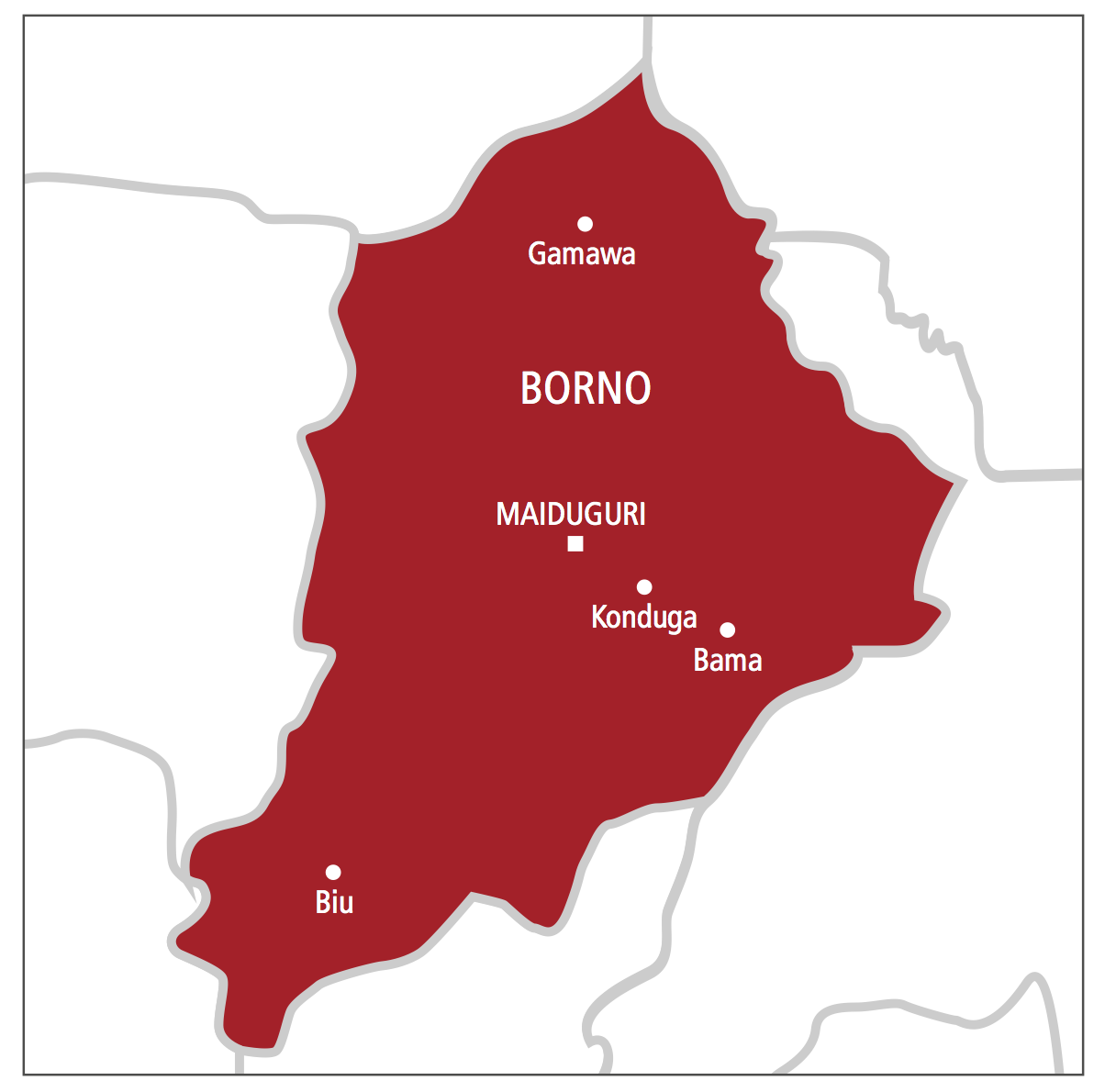
Internally Displaced Persons (IDPs) in Maiduguri, Borno State, have appealed to the Federal and state governments to provide adequate security and transportation to enable them to return to their ancestral communities and participate in the 2027 general elections.
The displaced persons, predominantly from communities in Gwoza Local Government Area, said insecurity, long-distance travel and inadequate transportation could prevent many of them from exercising their constitutional right to vote.
They also warned political party agents against interfering with their electoral choices, alleging that some party representatives had attempted to dictate the candidates and political parties they should vote for during previous elections.
The Chairman of the EYN Internally Displaced Camp, John Goma, made the appeal during a voter education campaign organised by TAF Africa in collaboration with the Independent National Electoral Commission in the remaining two IDP camps in Maiduguri on Tuesday.
Goma acknowledged the Borno State Government’s previous intervention in providing buses to transport displaced residents to Pulka and other designated voting centres in Gwoza, but called for sustained arrangements ahead of the 2027 elections.
He said although the transportation arrangement had enabled some IDPs to participate in previous elections, political interference remained a major concern.
“We used to travel using government buses to Pulka and vote before they returned us back to Maiduguri. But the major issue we had in previous elections is the representatives of some political parties dictating to us the party or candidate we should vote for.
“We don’t want this to repeat itself this time around,” he said.
The camp chairman further expressed concern that the long distances voters had to cover across the six wards of Pulka could discourage vulnerable residents, particularly elderly persons and those with physical challenges, from participating in the elections.
He urged the relevant authorities to introduce measures that would make voting easier and more accessible for displaced persons, regardless of their physical conditions.
Goma, however, commended the existing arrangement that prioritised persons living with disabilities during screening and voting, noting that the practice helped protect them from the congestion and disorder that often characterised polling activities.
He stressed the need for similar considerations to be extended to other vulnerable categories of displaced voters.
Speaking on the initiative, the Assistant Programme Manager of TAF Africa, George Anwayi, said the campaign was designed to promote the inclusion of internally displaced persons in Nigeria’s electoral process and ensure they were not excluded because of their displacement.
According to him, the sensitisation programme focused on educating IDPs about their electoral rights, access to Permanent Voter Cards, voting arrangements, election-day procedures, peaceful participation and ways of identifying and countering electoral misinformation.
Anwayi explained that the intervention was being implemented under the European Union Support to Democratic Governance in Nigeria Phase II programme.
He described the initiative as particularly important given the scale of displacement in Nigeria and the challenges confronting displaced citizens seeking to participate in democratic activities.
“With an estimated 4.6 million individuals displaced across states like Adamawa, Benue, Borno, and Kaduna, including roughly 2.4 million adults of voting age, many citizens still face persistent barriers to civic participation,” he said.
He noted that despite their constitutional entitlement to vote, internally displaced persons continued to encounter difficulties relating to voter registration, transfer of polling units and physical access to designated voting centres.
The programme manager said the campaign was also targeting women and young people of voting age living in IDP camps, with simplified Information, Education and Communication materials to be distributed in English and local languages.
Anwayi said the objective was to equip displaced residents with the knowledge required to make independent electoral decisions and participate peacefully in the democratic process.
The latest appeal comes as political activities gradually gather momentum ahead of the 2027 general elections, with the displaced residents insisting that their circumstances should not deprive them of their right to choose their leaders.
They urged the relevant authorities and electoral stakeholders to address their security and transportation concerns early, while ensuring that political parties and their agents respect the independence of displaced voters


Do you want to share a story with us? Do you want to advertise with us? Do you need publicity for a product, service, or event? Contact us on WhatsApp +2348183319097 Email: platformtimes@gmail.com
We are committed to impactful investigative journalism for human interest and social justice. Your donation will help us tell more stories. Kindly donate any amount HERE