

African writers have been urged to embrace Artificial Intelligence as a creative partner capable of amplifying indigenous stories on the global stage.
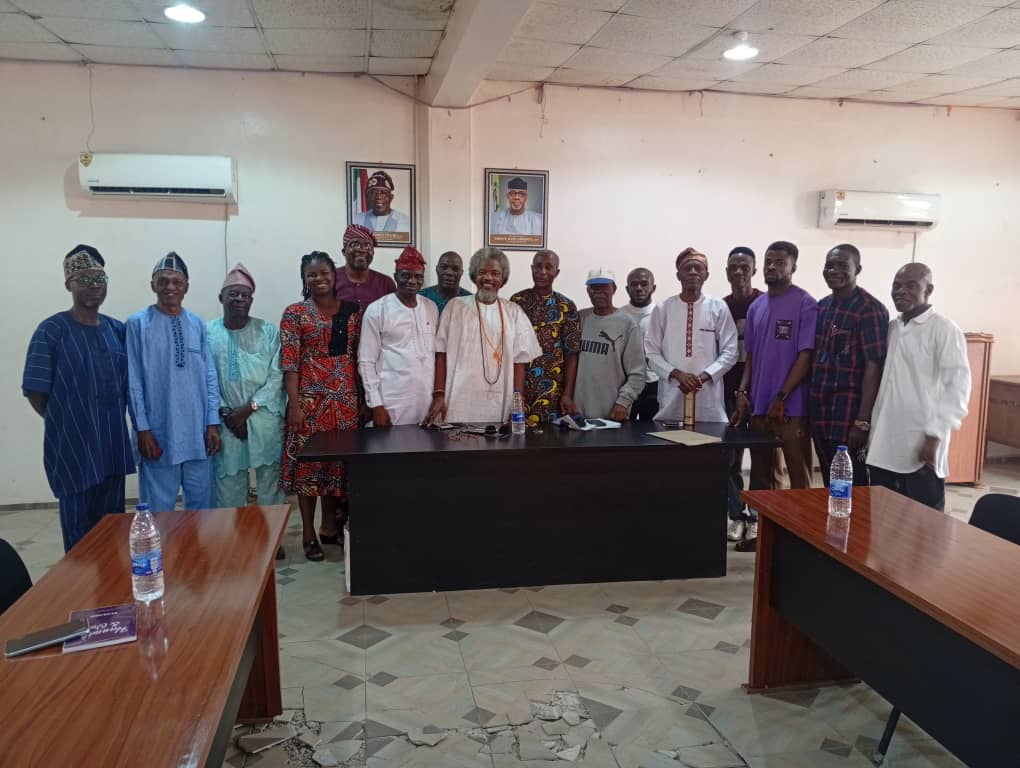
The Registrar of Chrisland University, Abeokuta, Mr Samuel Omotoso, gave the charge while delivering a lecture titled “Publishing: Traditional Vs Artificial Intelligence Revolution” at the February meeting of the Association of Nigerian Authors, Ogun State Chapter.
The event held at the Simeon Adebo Library, Abeokuta.
Omotoso challenged African writers to move beyond scepticism and instead train Artificial Intelligence tools by deliberately feeding them cultural, historical and socio-political nuances that reflect African realities.
According to him, such intentional engagement would not only preserve indigenous narratives but also globalise the continent’s unique experiences.
He noted that Artificial Intelligence had significantly disrupted the publishing ecosystem, collapsing what used to be the four distinct functions of authorship, publishing, printing and bookselling into a streamlined digital process.
“AI is dynamic. But you cannot approach it with zero knowledge because it has no human emotions,” he said, stressing that writers must combine creativity and innovation with technological skills to maximise its benefits.
Omotoso lamented what he described as insufficient African inputs in existing Large Language Models, urging writers and researchers to collaborate in developing indigenous AI models that reflect African contexts and linguistic diversity.
“The world has moved to Super Intelligence. Writers must embrace prompt engineering to improve their craft and reduce the gestation period for book and music production,” he added.
He explained that AI systems could be programmed with clear instructions on what to do and what not to do, adding that they could be “humanised” to perform a variety of tasks.
Tracing the evolution of Artificial Intelligence, Omotoso said the technology had existed since the 1950s, even though many users were unaware of it.
He cited aeroplanes, vehicles and internet-enabled devices that rely on man-machine communication as long-standing applications of AI.
While acknowledging concerns that AI poses threats to certain jobs, the Registrar called for upskilling, research and technological adaptation as necessary responses.
Omotoso, fondly referred to as the “Digital Registrar,” also shared practical examples of how AI tools have enhanced administrative efficiency at Chrisland University, particularly in examinations management, project supervision and general administration.
In his remarks, the Chairman of ANA Ogun, Chief Abiodun Lasile, commended the guest lecturer for what he described as a thought-provoking and timely presentation.
Lasile assured members that the association would continue to organise value-driven lectures to keep writers informed about emerging trends shaping literature and publishing in the digital age.
 '
' '
'Do you want to share a story with us? Do you want to advertise with us? Do you need publicity for a product, service, or event? Contact us on WhatsApp +2348183319097 Email: platformtimes@gmail.com
We are committed to impactful investigative journalism for human interest and social justice. Your donation will help us tell more stories. Kindly donate any amount HERE
