

Nigeria is grappling with a fresh wave of Lassa fever outbreak that has claimed no fewer than 146 lives within three months, while at least 25 doctors and dozens of other health workers have been infected, raising fresh concerns over the country’s fragile healthcare system.
Data obtained from the Nigeria Centre for Disease Control and Prevention showed that as of the 11th epidemiological week of 2026, the country recorded 582 confirmed cases out of 3,222 suspected infections.
A state-by-state breakdown of fatalities revealed that Taraba recorded the highest number of deaths with 40, followed by Ondo with 31, Bauchi with 25, while Plateau and Benue reported 11 deaths each. Edo recorded nine deaths, and Nasarawa three.
The situation has worsened within the medical community, with frontline workers increasingly falling victim to the disease amid complaints of inadequate protection and weak infection control systems.
The National Association of Resident Doctors disclosed that at least 25 of its members had contracted the virus, with one fatality recorded, while the Nigerian Medical Association said no fewer than 37 health workers, including doctors, nurses and community health personnel, had been infected, with three deaths confirmed among doctors.
Speaking on the development, the President of the NMA, Bala Audu, described the outbreak as part of the country’s seasonal trend but noted that its impact this year had been unusually severe.
He said, “Lassa fever is seasonal, but this year, the effect has been devastating. The number of health workers affected is quite high, which raises serious concern.”
Audu attributed the rising infections among health workers to gaps in the availability and compliance with the use of Personal Protective Equipment, warning that many facilities either lack adequate supplies or fail to enforce usage.
“It is largely preventable, but where protective equipment is unavailable or not properly used, health workers are exposed to great risk,” he added.
Also reacting, the National Secretary of NARD, Shuaibu Ibrahim, criticised authorities for failing to improve preparedness despite recurring outbreaks.
“We are worried that this outbreak keeps recurring, yet lessons are not being effectively applied. Government response has fallen short, especially in protecting health workers,” he said.
Investigations showed that several states are struggling to contain the outbreak despite intensified surveillance.
In Ondo State, one of the epicentres, over 20 deaths have been reported, with many patients currently receiving treatment at health facilities, including the Federal Medical Centre in Owo.
In Benue State, the Commissioner for Health, Paul Ogwuche, disclosed that the state recorded about 400 suspected cases, 55 confirmed infections and 14 deaths, including fatalities among health workers.
He noted that human-to-human transmission, driven by lapses in infection prevention, remained a major concern.
At the Bauchi State Primary Health Care Board, authorities said emergency response measures had been activated, including improved surveillance and contact tracing across affected local government areas.
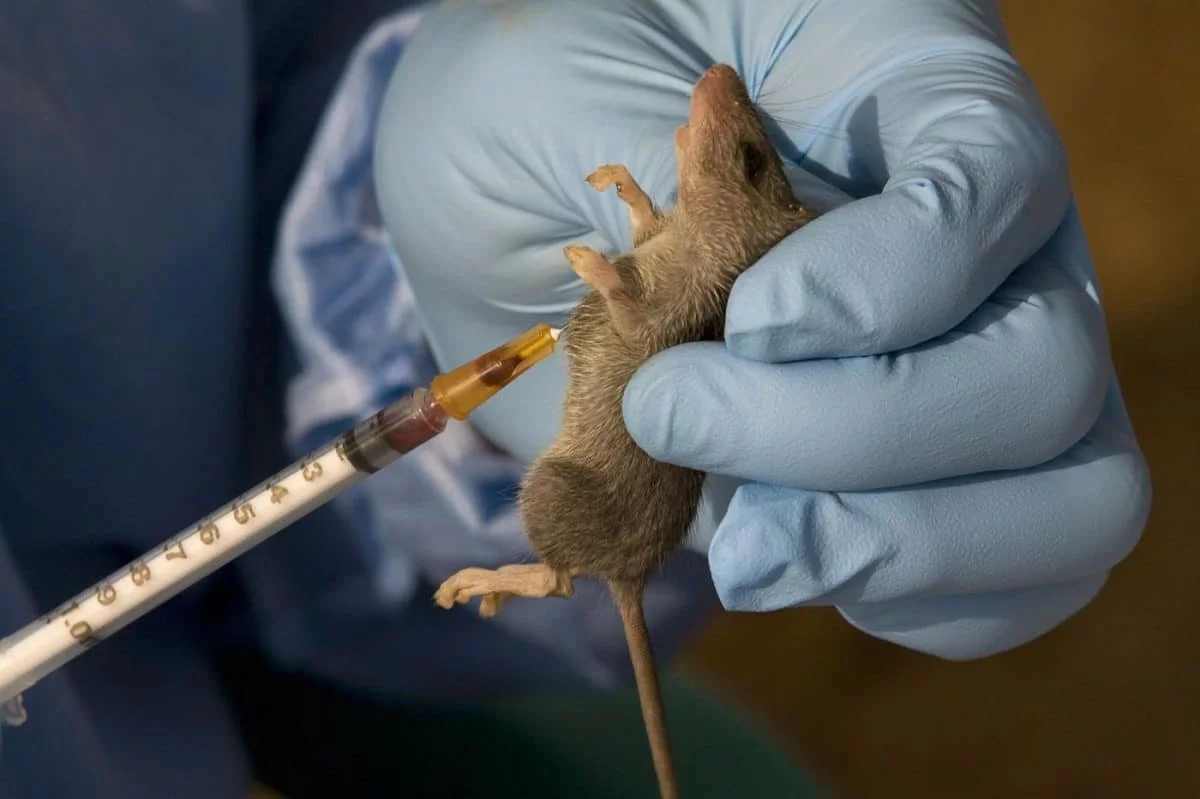
Lassa fever, an acute viral haemorrhagic illness endemic in West Africa, is primarily transmitted through contact with food or household items contaminated by infected rodents, particularly the Mastomys rat.
Human-to-human transmission is also common in healthcare settings with poor infection control.
Symptoms range from mild fever and weakness to severe bleeding, respiratory distress and, in critical cases, death.
Public health experts warn that the rising toll, particularly among healthcare workers, underscores urgent need for improved infection control measures, sustained public awareness and stronger investment in Nigeria’s health sector to prevent further escalation.
 '
' '
'Do you want to share a story with us? Do you want to advertise with us? Do you need publicity for a product, service, or event? Contact us on WhatsApp +2348183319097 Email: platformtimes@gmail.com
We are committed to impactful investigative journalism for human interest and social justice. Your donation will help us tell more stories. Kindly donate any amount HERE
