

The death toll from Lassa fever in Nigeria has risen to 167, even as the number of newly confirmed cases declined sharply in the latest reporting week, according to the Nigeria Centre for Disease Control and Prevention (NCDC).
The agency disclosed this in its Week 13 epidemiological report covering March 23 to March 29, 2026, noting that confirmed infections dropped to 26 from 51 recorded in the previous week.
Despite the reduction in fresh cases, health authorities expressed concern over the worsening fatality rate, which now stands at 25.2 per cent—significantly higher than the 18.5 per cent recorded within the same period in 2025.
Seven states record new infections
According to the report, the new cases were detected across seven states, including Edo, Ondo, Bauchi, Taraba, Ebonyi, Benue and Kaduna.
So far this year, 22 states across 93 local government areas have reported at least one confirmed case of the disease.
Young adults aged between 21 and 30 remain the most affected demographic group, the agency added.
However, no new infections among healthcare workers were recorded during the week under review.
While transmission appears to be slowing, the rising number of deaths has heightened concern among public health officials, who warn that late presentation of cases and poor access to treatment continue to drive fatalities.
The NCDC noted that many patients still arrive at health facilities late, often due to low awareness and the high cost of care, resulting in reduced chances of survival.
In response to the outbreak, the NCDC, working with partners including the World Health Organization (WHO) and the United States Centers for Disease Control and Prevention (US CDC), has scaled up interventions across affected states.
These include a 30-day healthcare worker protection plan, expanded infection prevention and control measures, and intensified surveillance activities.
The agency also conducted high-level advocacy visits to Benue State alongside WHO, UNICEF, and Médecins Sans Frontières (MSF), focusing on strengthening case management and infection control practices.
In addition, rapid response teams have been deployed to seven high-burden states, while personal protective equipment (PPE) has been prepositioned and distributed to health facilities.
Persistent challenges
The NCDC identified poor health-seeking behaviour, late presentation of cases, inadequate awareness, and weak environmental sanitation in high-risk communities as key drivers sustaining the outbreak.
Although infections among health workers remain a concern, the agency confirmed that no new cases were recorded in the reporting week.
Call for stronger prevention
The agency urged state governments to intensify community awareness campaigns and strengthen preventive measures year-round.
It also advised health workers to maintain a high index of suspicion for Lassa fever, ensure early referral of suspected cases, and strictly adhere to infection prevention protocols.
The NCDC further called for stronger collaboration with partners to improve early detection, rapid response capacity, and treatment outcomes nationwide.
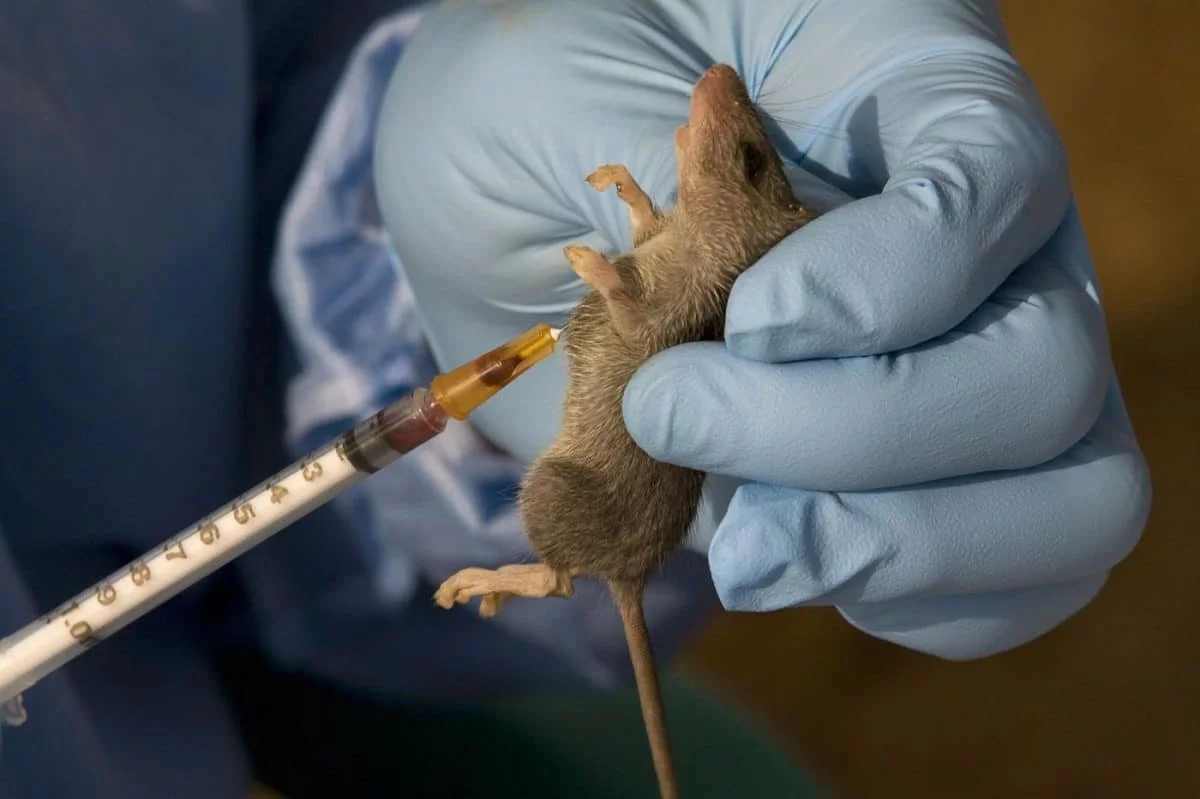
Lassa fever, an acute viral haemorrhagic disease transmitted mainly through contact with food or household items contaminated by infected rodents, continues to pose a recurring public health threat in Nigeria, particularly during peak transmission seasons.
 '
' '
'Do you want to share a story with us? Do you want to advertise with us? Do you need publicity for a product, service, or event? Contact us on WhatsApp +2348183319097 Email: platformtimes@gmail.com
We are committed to impactful investigative journalism for human interest and social justice. Your donation will help us tell more stories. Kindly donate any amount HERE
