

The Nigeria Centre for Disease Control and Prevention has confirmed that no fewer than 190 persons have died from Lassa fever in 2026, raising fresh concerns over the rising fatality rate of the disease across the country.
In its latest situation report for Epidemiological Week 17 (April 20–26, 2026), the agency disclosed that the case fatality rate climbed to 25.2 per cent, a sharp increase from the 19.1 per cent recorded within the same period in 2025.
The report, however, indicated a decline in newly confirmed infections, with cases dropping from 29 in Week 16 to nine in Week 17. The latest infections were reported in Ondo and Bauchi states.
Despite the reduction in new cases, the NCDC warned that late presentation of patients, poor health-seeking behaviour, and infections among healthcare workers remain major drivers of mortality.
So far in 2026, at least 23 states across 105 local government areas have recorded confirmed cases, with Bauchi, Ondo, Taraba, Benue and Edo states accounting for 84 per cent of the total infections. The most affected age group is between 21 and 30 years.
The agency noted that no new infection among healthcare workers was recorded during the review week.
To contain the outbreak, the NCDC said it had intensified nationwide response efforts in collaboration with partners such as the World Health Organization, Médecins Sans Frontières, UNICEF, and the Centers for Disease Control and Prevention.
It added that capacity-building training was conducted for 62 infection prevention and control focal persons in treatment centres across Ebonyi and Ondo states, while Incident Management Systems were activated in Oyo, Kebbi, Kano, Gombe, Benue and Plateau states to strengthen coordination.
Other interventions include community sensitisation campaigns targeting religious leaders, farmers and traders, distribution of personal protective equipment, contact tracing, and integrated case management training in high-burden areas.
The agency also unveiled a 30-day healthcare worker protection plan aimed at reducing infections among frontline personnel.
However, it identified persistent challenges hampering response efforts, including poor environmental sanitation, low public awareness, high treatment costs, and delayed access to healthcare.
According to the NCDC, late diagnosis and treatment remain critical factors responsible for the increasing fatality rate.
The agency urged state governments to sustain year-round awareness campaigns and called on healthcare workers to maintain a high index of suspicion, ensure prompt referrals, and strictly adhere to infection prevention protocols.
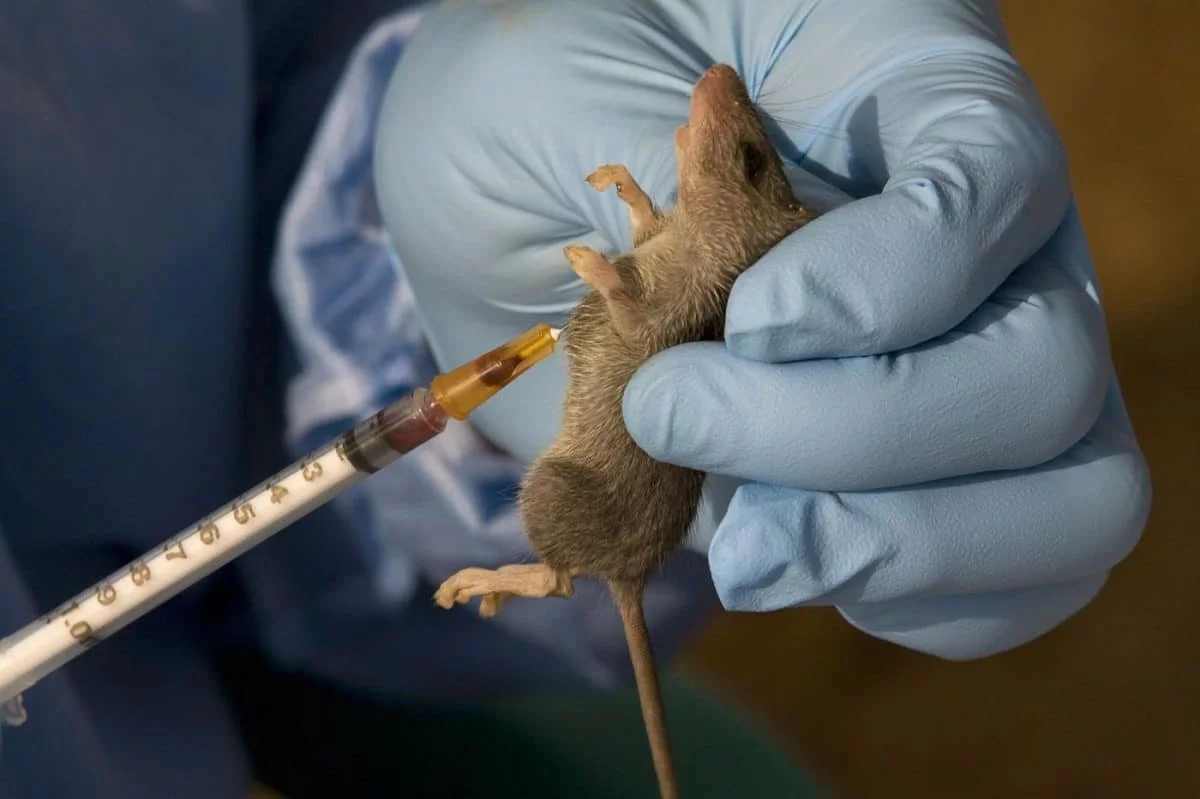
Lassa fever is an acute viral haemorrhagic illness transmitted primarily through contact with food or household items contaminated by infected rodents. Human-to-human transmission can also occur through contact with bodily fluids.
Health experts emphasise that early diagnosis and prompt treatment are crucial to improving survival outcomes.
 '
' '
'Do you want to share a story with us? Do you want to advertise with us? Do you need publicity for a product, service, or event? Contact us on WhatsApp +2348183319097 Email: platformtimes@gmail.com
We are committed to impactful investigative journalism for human interest and social justice. Your donation will help us tell more stories. Kindly donate any amount HERE
