

…Six Entities, Three Individuals Blacklisted
…Money Exchanger Linked To Terror Funds
Daud Olatunji
The United States government has intensified its global counter-terrorism campaign with the designation of a Nigerian national and eight other individuals and entities over their alleged roles in financing the Islamic State of Iraq and Syria (ISIS).
The action, disclosed in a statement by the US Department of State spokesperson, Thomas Pigott, specifically targets three individuals and six entities accused of facilitating financial transactions for ISIS across multiple regions.
According to the statement, the network operates across France, Syria, Türkiye and Nigeria, coordinating cross-border fund transfers to sustain the extremist group’s activities, including recruitment, logistics and attacks.
Pigott said the sanctions were part of Washington’s broader strategy to dismantle global terror financing structures.
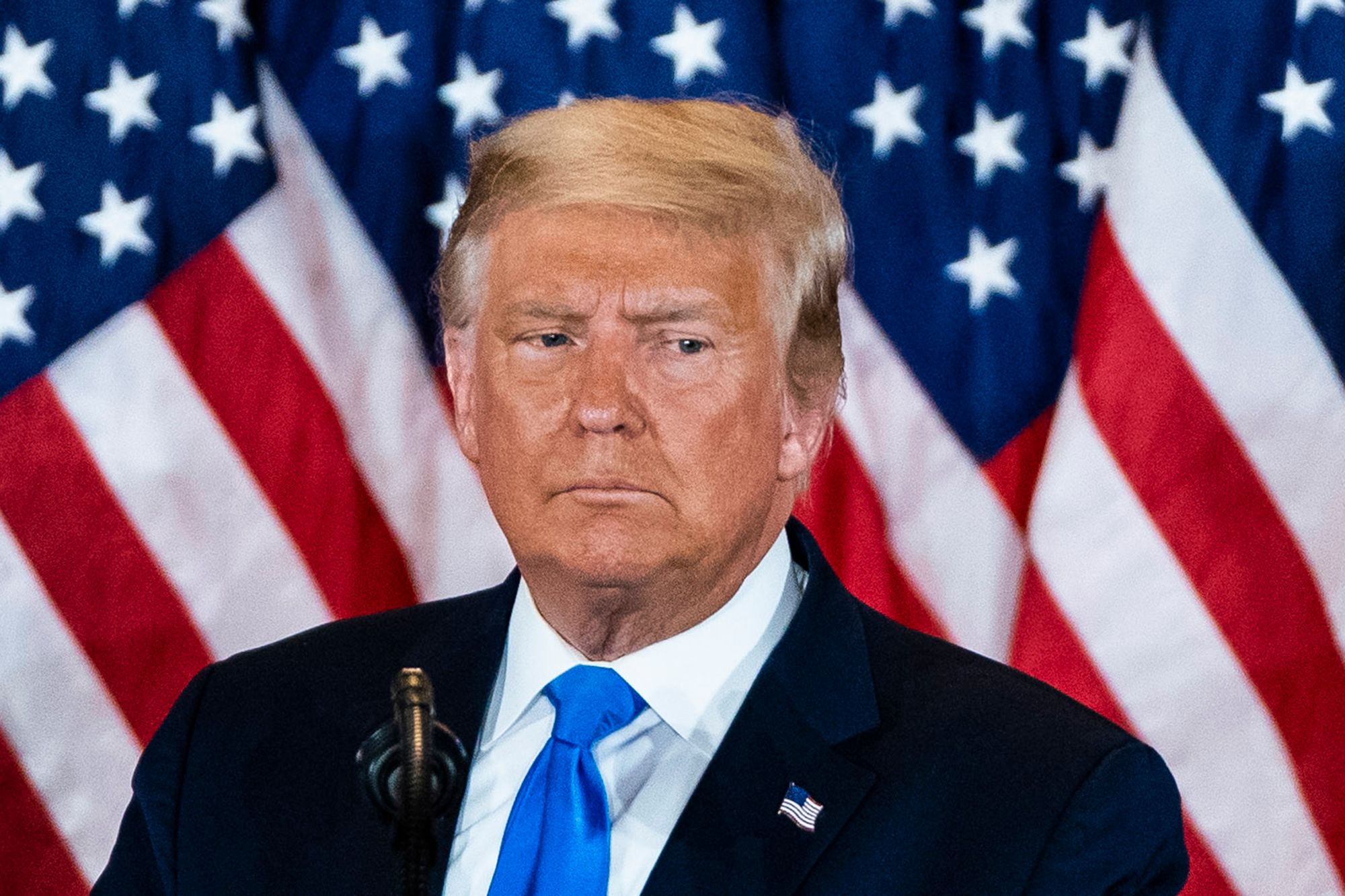
“Under the leadership of President Trump, the United States is dismantling ISIS’s ability to finance terrorism around the world. We are cutting off the financial lifelines that enable ISIS to fund attacks, support its regional affiliates, and threaten civilians, including religious minorities,” he said.
Among those designated is a France-based facilitator accused of providing technical guidance on explosives to ISIS sympathisers, as well as a Syria-based operative allegedly using cryptocurrency channels to transfer funds to ISIS-linked cells in several countries, including the United States.
The statement also identified a Nigeria-based money exchanger whose business operations were allegedly used as conduits for channeling funds tied to ISIS activities.
Although the identities of those involved were not disclosed, US authorities said the move was part of sustained efforts to disrupt evolving financial networks used by terrorist organisations.
Rising Global Terror Financing Concerns
The latest designation comes amid growing global concern over the resilience of terrorist financing networks despite years of military pressure on ISIS.
Data from the Financial Action Task Force indicates that ISIS and its affiliates continue to generate and move millions of dollars annually through a mix of informal money transfer systems, extortion, kidnapping for ransom and, increasingly, digital currencies.
Similarly, the United Nations Office on Drugs and Crime has warned that West Africa is becoming more vulnerable to terror financing due to weak regulatory frameworks, porous borders and the widespread use of cash-based economies.
In Nigeria, security analysts have repeatedly raised concerns about the exploitation of informal financial networks, particularly in the northern region, where terrorist groups such as Boko Haram and ISWAP have maintained operational footholds.
A 2024 report by the Nigeria Financial Intelligence Unit revealed a spike in suspicious financial transactions linked to terrorism and banditry, with billions of naira traced to illicit flows through unregulated channels, including bureau de change operators and digital platforms.
Cryptocurrency, Informal Systems Under Scrutiny
Experts say the increasing use of cryptocurrency by extremist groups poses fresh challenges for law enforcement agencies.
The Financial Action Task Force has repeatedly cautioned that while digital assets offer transparency, they can also be exploited through anonymising technologies, peer-to-peer transfers and weak compliance regimes in some jurisdictions.
In addition, informal systems such as hawala and unregistered money exchange businesses remain attractive to terrorist networks due to minimal documentation requirements and limited oversight.
…Nigeria Under Growing Spotlight
Nigeria’s inclusion in the latest US designation is likely to heighten international scrutiny of the country’s financial ecosystem, particularly as authorities continue efforts to exit the FATF grey list and strengthen anti-money laundering controls.
Security experts have warned that failure to tighten financial regulations and enforcement mechanisms could expose the country to further reputational and economic risks.
The US government, however, maintained that the latest sanctions are part of coordinated international efforts to cut off funding sources for ISIS and degrade its operational capacity worldwide.
 '
' '
'Do you want to share a story with us? Do you want to advertise with us? Do you need publicity for a product, service, or event? Contact us on WhatsApp +2348183319097 Email: platformtimes@gmail.com
We are committed to impactful investigative journalism for human interest and social justice. Your donation will help us tell more stories. Kindly donate any amount HERE
 '
'