

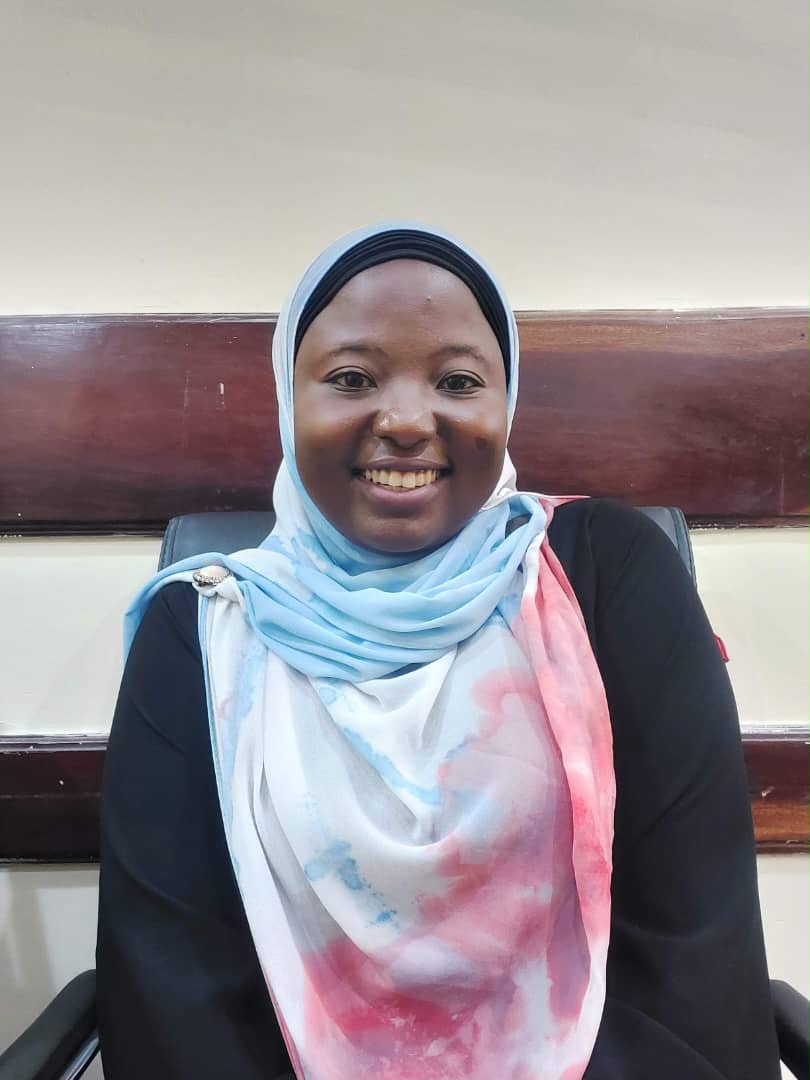
By Omotoyosi Olalekan
She did not buy anything the day we met.
It was an exhibition at Festival Mall in Festac, Lagos. We spoke, but I did not contact her afterwards. Four months later, she messaged me, reintroduced herself and ordered five fabrics for Easter, for her family to wear to church.
Three years after that order, she contacted me again. None of the fabrics she had bought from me had faded, she said, and she was pleased with their quality. Her secondary-school alumna association, a group of women, had a programme coming up and needed customised Adire.
I sent her samples of my previous work, but she already knew what they wanted: an image representing a woman of substance and integrity, printed alongside the association’s name. More than 1,000 pieces have been produced and delivered in batches, and the order is still continuing.
The exhibition made none of those sales. It made an introduction. What brought her back, months and then years later, was not a promotional campaign. It was fabric that had not faded.
That is not how we usually judge exhibitions. They tend to be measured by attendance and what sells on the day. By that measure, my day in Festac produced nothing. The record would have shown a visitor and no sale.
Yet she became the most valuable contact I gained from that exhibition. Trade in handmade goods runs on trust, and trust takes time to build. A customer tries a small order, uses the product, sees how it lasts and returns with a larger order once it has proved its quality.
Measured over a weekend, none of this is visible. Measured over three years, it tells a very different story.
For Nigerian creative enterprises seeking wider and international markets, this distinction matters even more. Distant buyers cannot touch the cloth before ordering, so trust must be built through quality, reliable delivery and credible recommendations. At FO2 Fabrics, a referral introduced me to a customer in the UK who began buying in bulk from the outset because she trusted the person who recommended my business. Her experience shows how trusted networks can help locally rooted creative enterprises reach customers beyond Nigeria.
If you exhibit, the same lesson applies to you. Do not judge an exhibition only by what you sell on the day. Keep a note of the people you speak to, protect the quality of what you deliver, and plan your cash so you can last until interest becomes an order.
Two changes could help Nigerian creative businesses and the organisers who support their exhibitions get more lasting value from these events.
First, measure exhibitions over time. Organisers of exhibitions and publicly supported trade events in Nigeria could follow up with exhibitors six months and a year later to find out how many prospective buyers returned, how many orders followed and whether business relationships continued. This would help organisers identify events that generate lasting commercial opportunities, while helping exhibitors decide where their limited resources are best spent.
Second, help small businesses survive the wait. A customer relationship may take months or years to produce a substantial order, but a business must keep operating in the meantime. Large orders also require materials and labour to be paid for before the customer makes the final payment. Lenders and public enterprise support programmes could consider evidence of repeat customers, confirmed orders and production capacity, alongside appropriate safeguards, when assessing creative businesses for financing.
For Nigeria’s creative businesses, the goal should be to turn exhibition encounters into lasting commercial relationships. That requires organisers to measure what happens after an event and support systems that help businesses fulfil the orders those relationships generate.
An exhibition may last a weekend. The business it creates can last for years.
Omotoyosi Olalekan is the founder of FO2 Fabrics, a Nigerian cultural enterprise promoting traditional Adire textiles, and author of the Beyond the Festival newsletter.
 '
 '
Do you want to share a story with us? Do you want to advertise with us? Do you need publicity for a product, service, or event? Contact us on WhatsApp +2348183319097 Email: platformtimes@gmail.com
We are committed to impactful investigative journalism for human interest and social justice. Your donation will help us tell more stories. Kindly donate any amount HERE
 '
