

Toyyibat Qasim
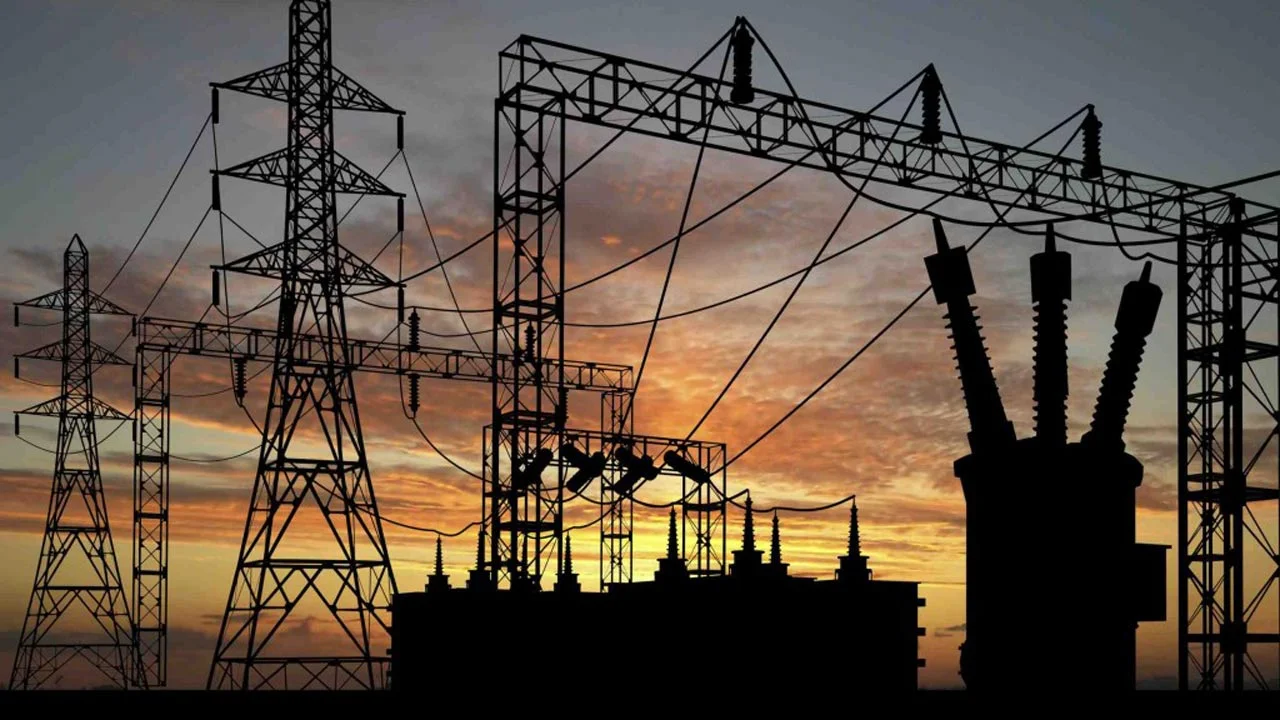
The Federal Government has approved a $2bn investment in a new East-West Super Grid project designed to provide at least 19,000 megawatts of additional electricity transmission capacity and strengthen Nigeria’s fragile national grid.
The Minister of Power, Joseph Tegbe, disclosed this during a television interview on TVC, describing the project as a major intervention by the President Bola Tinubu administration to address persistent transmission bottlenecks and improve electricity supply across the country.
Tegbe said the proposed high-capacity transmission infrastructure would traverse Funtua, Gwagwalada, Ikot-Ekpene, Benin, Epe and Ilorin, creating additional capacity to move electricity across different parts of the country.
According to him, the project is expected to be completed within 18 to 24 months, while procurement processes have commenced following presidential approval.
He explained that the proposed infrastructure would complement the existing national grid rather than replace it, adding that the investment was intended to improve the network’s resilience and ability to accommodate increasing electricity demand.
The minister said the Super Grid was part of a broader government intervention aimed at tackling longstanding structural weaknesses in the transmission network.
He disclosed that the government had also commenced a comprehensive technical audit of the electricity transmission infrastructure to identify defective equipment and determine the actual causes of recurring grid disturbances.
The audit, he said, had identified deficiencies involving transmission towers, insulators, conductors and relays across several transmission corridors.
Tegbe explained that the exercise was necessary to ensure that government investments were directed at infrastructure requiring urgent attention rather than spending public funds on equipment that might not be responsible for electricity disruptions.
He added that, following the President’s approval of funding, the replacement and rehabilitation of critical transmission equipment were expected to begin in the coming months.
The minister also identified the restoration of the Oshogbo-Ikeja West transmission line as one of the government’s immediate priorities.
He said the restoration of the corridor was expected to inject an additional 400 megawatts into the Lagos electricity network, potentially improving supply to the commercial hub and surrounding communities.
On the financial challenges confronting electricity generation companies, Tegbe disclosed that the Federal Government had paid ₦1.23tn out of the approximately ₦3.3tn owed to power generation companies, leaving an outstanding liability of about ₦2tn.
He said the accumulated debts had affected the financial capacity of generation companies to meet their obligations to gas suppliers, thereby worsening the challenges confronting electricity generation.
According to him, the government is targeting the settlement of the outstanding debt in 2027 to improve the liquidity of generation companies and enable them to secure adequate gas supplies for their power plants.
The minister also expressed concern over the underutilisation of electricity generation facilities, particularly those located in the Niger Delta.
He disclosed that power plants operated by the Niger Delta Power Holding Company had a combined installed generation capacity exceeding 3,000 megawatts but were currently contributing only about 400 megawatts to the national electricity supply.
Tegbe said the government was working towards improving the performance of the facilities through interventions addressing gas supply challenges, transmission limitations and other operational deficiencies.
He maintained that increasing electricity generation alone would not resolve Nigeria’s power crisis without corresponding improvements in transmission and distribution infrastructure.
On the ongoing restructuring of the electricity industry, the minister described the Electricity Act 2023 as a major turning point, noting that it had decentralised the sector and opened up opportunities for state governments and private investors to participate in electricity generation, transmission and distribution.
He said the legislation had provided a framework for states to establish electricity markets that reflect their respective needs, including independent power generation, mini-grids and gas-fired electricity projects.
Tegbe identified Lagos, Ogun, Abia and Enugu as some of the states exploring different approaches to developing independent electricity markets under the new legal framewor.
He added that the law also provided opportunities for bilateral electricity transactions, allowing power generators to supply electricity directly to willing off-takers or feed their output into the national grid through regulated arrangements.
The minister said the emerging framework was expected to encourage competition, attract fresh investments and promote the recapitalisation of the electricity industry.
He further projected that private sector participation in electricity transmission would expand within the next two to three years, complementing government-funded infrastructure projects.
Tegbe said the administration’s broader objective was to tackle the structural challenges affecting the entire electricity value chain, attract long-term investments and improve operational efficiency.
capacity, if delivered as projected, would represent a significant infrastructure expansion for Nigeria’s electricity industry, which has continued to grapple with grid instability, inadequate transmission infrastructure, gas supply constraints and poor electricity delivery.


Do you want to share a story with us? Do you want to advertise with us? Do you need publicity for a product, service, or event? Contact us on WhatsApp +2348183319097 Email: platformtimes@gmail.com
We are committed to impactful investigative journalism for human interest and social justice. Your donation will help us tell more stories. Kindly donate any amount HERE