

The Federal Government has pledged to publish a detailed breakdown of how savings from the removal of fuel and foreign exchange subsidies have been spent, following mounting public demand for greater transparency over the economic reforms.
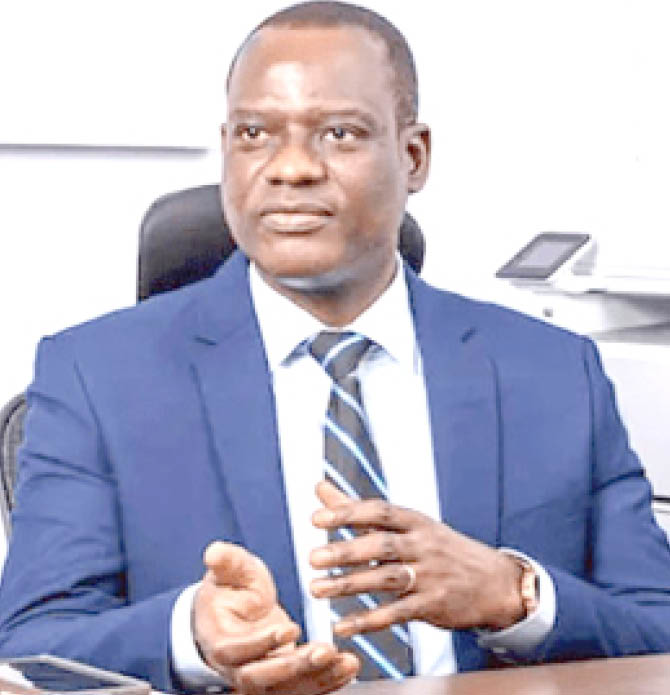
The Minister of Finance and Coordinating Minister of the Economy, Taiwo Oyedele, made the disclosure on Thursday at the 7th Africa Emerging Markets Forum in Abuja.
Oyedele acknowledged that many Nigerians were seeking accountability over the utilisation of the subsidy savings and assured that the government would make the details public within days.
He said the removal of fuel and foreign exchange subsidies generated savings equivalent to about five per cent of the country’s Gross Domestic Product.
According to him, a significant portion of the funds has been used to service the country’s rising debt obligations, implement the new ₦70,000 national minimum wage, and expand social intervention programmes.
The minister listed the Nigerian Education Loan Fund as one of the key beneficiaries of the reforms, noting that more than 1.5 million students had so far accessed the scheme.
Oyedele maintained that the reforms were introduced to eliminate long-standing economic distortions rather than merely increase government revenue.
He argued that retaining the subsidy regime would have left Nigeria trapped in what he described as “fiscal illusions.”
Responding to observations by the Chief Economist of the World Bank, Indermit Gill, Oyedele insisted that the reforms were necessary to place the economy on a sustainable path despite the short-term hardship experienced by citizens.
Gill commended the Central Bank of Nigeria for bringing inflation down from over 30 per cent to below 15 per cent but urged the Federal Government to complement monetary measures with stronger fiscal policies capable of improving the living conditions of Nigerians.
Also speaking at the forum, the Director of Statistics at the Central Bank of Nigeria, Dr. Okpanachi Moses, presented findings from a study covering 36 Sub-Saharan African countries.
He said food inflation and food price volatility continue to reinforce each other, thereby weakening the effectiveness of monetary policy across the region.
Moses advised governments, particularly those in conflict-affected countries, to prioritise stabilising food production and supply systems instead of relying solely on interest rate adjustments to combat inflation.
The Federal Government’s planned publication of the subsidy spending details is expected to address growing public concerns over the management of funds realised from the removal of fuel and foreign exchange subsidies, which remain among the administration’s most controversial economic reforms.
 '
' '
'Do you want to share a story with us? Do you want to advertise with us? Do you need publicity for a product, service, or event? Contact us on WhatsApp +2348183319097 Email: platformtimes@gmail.com
We are committed to impactful investigative journalism for human interest and social justice. Your donation will help us tell more stories. Kindly donate any amount HERE
 '
'