

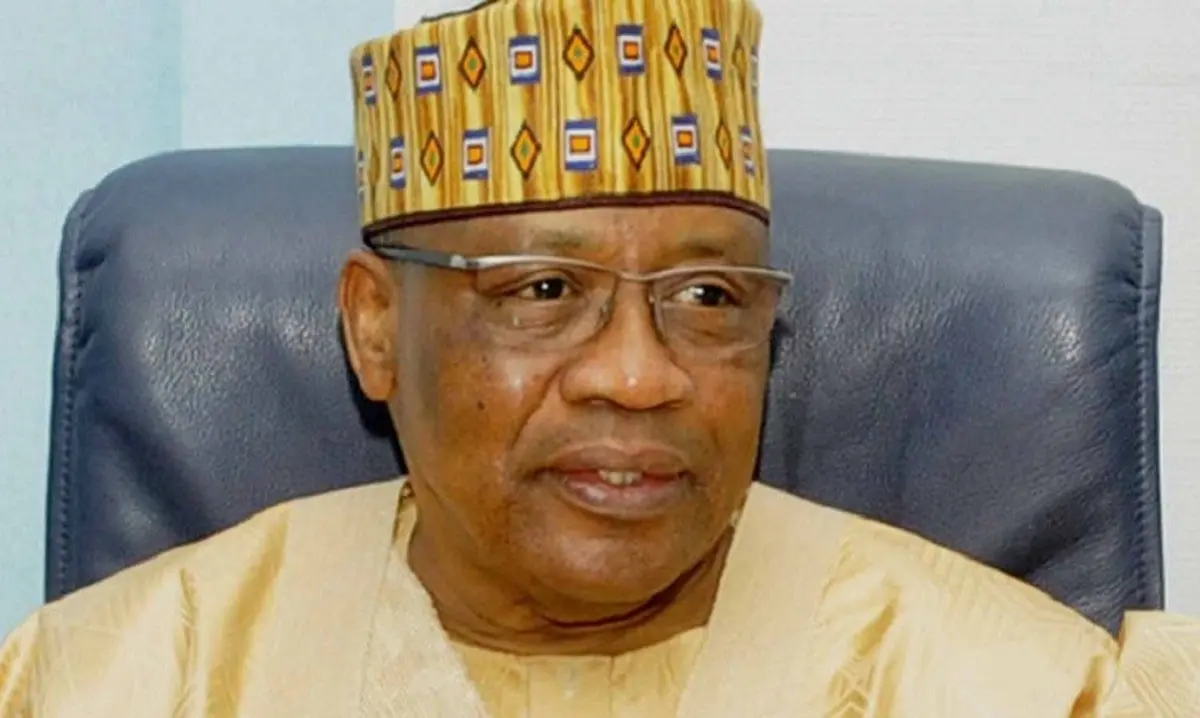
Former military president, Ibrahim Babangida, has disclosed that wealthy civilians played significant roles in Nigeria’s successful military coups, saying no military takeover in the country’s history was achieved without civilian support.
Babangida, who will turn 85 on Monday, made the disclosure in an interview with Badeggi 90.1 FM in Minna, Niger State, as part of activities marking his birthday.
The former military ruler, who governed Nigeria from 1985 to 1993, said wealthy Nigerians historically provided financial and other forms of support to military officers involved in coup plots.
“No successful coup in Nigeria’s history had occurred without civilian involvement,” Babangida said.
His comments offer a rare insight into the civilian dimension of Nigeria’s long history of military interventions, which repeatedly disrupted democratic governance after independence.
Babangida also revisited the controversial 1985 coup plot that led to the execution of his close associate, Major General Mamman Vatsa.
The two military officers had a long-standing relationship. They grew up together, attended Bida Middle School, now Government College Bida, graduated in the same year and later joined the Nigerian Army.
Babangida said their close relationship initially made it difficult for him to accept allegations that Vatsa was involved in a plot to overthrow his government.
He recalled that a senior military officer informed him that Vatsa and Major General Mohammed Gado Nasko had been mentioned in connection with the alleged coup.
According to Babangida, he summoned both officers and confronted them over the allegations, but they denied any involvement.
The military subsequently constituted a commission of inquiry to investigate the alleged coup plot.
Babangida said the panel cleared Nasko but found evidence linking Vatsa to the alleged plot.
“While General Gado Nasko was cleared of any wrongdoing, the panel found evidence linking Vatsa to the coup plot,” he said.
He described the finding as devastating, given his personal relationship with Vatsa, but said he was unable to intervene because of the military justice system.
“There was nothing I could do to exonerate him from the consequences prescribed by military law. My hands were tied. That was how I lost my brother, General Mamman Vatsa,” Babangida said.
Vatsa was executed by firing squad in March 1986.
Babangida himself came to power in August 1985 after overthrowing the military government of Major General Muhammadu Buhari in a bloodless coup.
He remained in power until August 1993, when he stepped aside amid intense political pressure following the annulment of the June 12, 1993 presidential election.
The former military president also commented on Nigeria’s current economic and security challenges, urging Nigerians to remain hopeful and support the administration of President Bola Tinubu.
Babangida expressed optimism that the government’s ongoing efforts would eventually produce positive results for the country.
 '
' '
'Do you want to share a story with us? Do you want to advertise with us? Do you need publicity for a product, service, or event? Contact us on WhatsApp +2348183319097 Email: platformtimes@gmail.com
We are committed to impactful investigative journalism for human interest and social justice. Your donation will help us tell more stories. Kindly donate any amount HERE
