

Muheeb Akindoyin
Former President Olusegun Obasanjo has delivered a scathing assessment of Nigeria’s political leadership since the return to democratic rule in 1999, saying most elected leaders have lacked the character, values and attributes required to move the country forward.
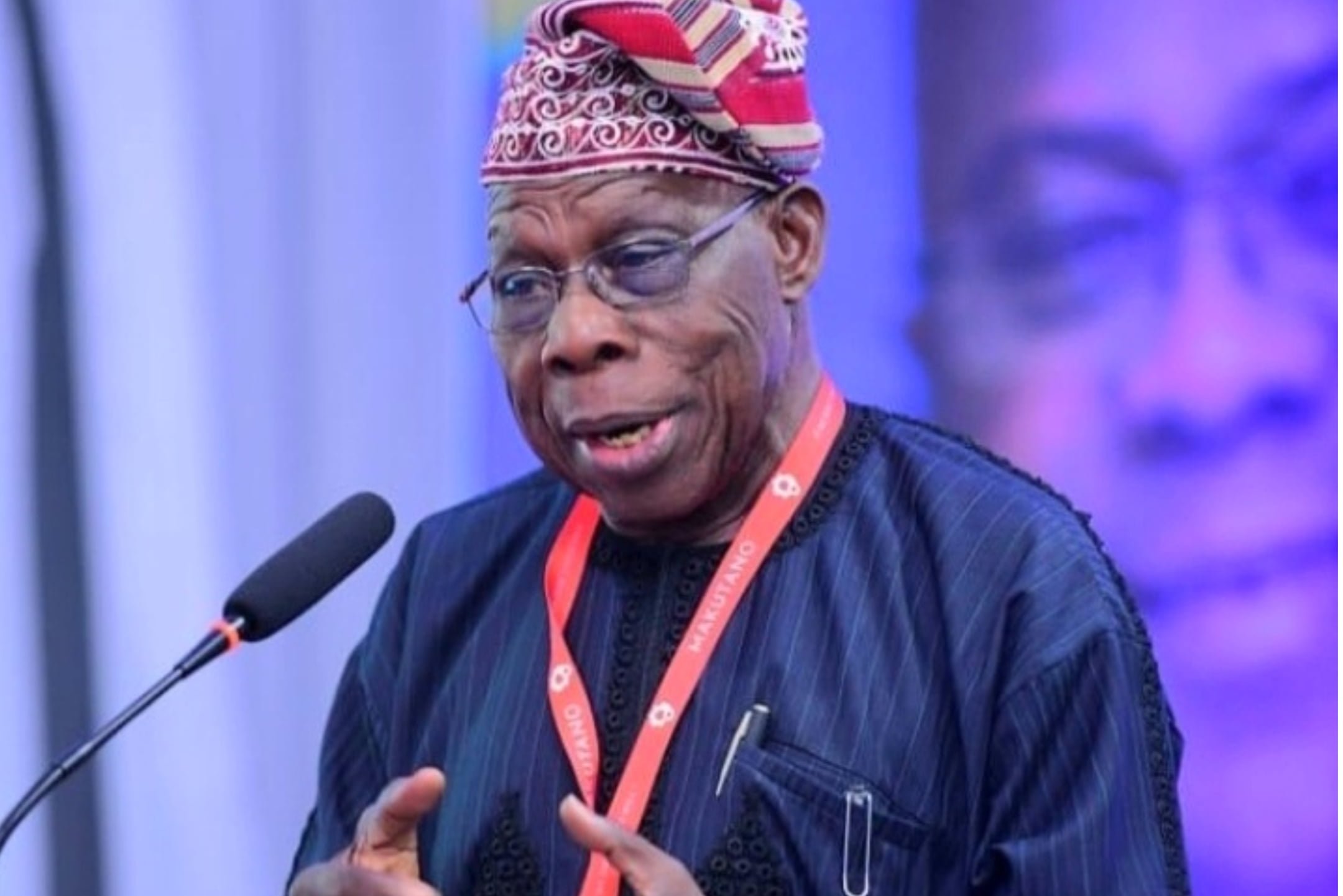
Obasanjo made the submission on Tuesday at the 2026 Goodluck Jonathan Foundation Democracy Dialogue in Bauchi, where he spoke on the state of democracy and governance in Nigeria and Africa.
The former President expressed concern over the quality of leadership emerging from Nigeria’s democratic system, arguing that the problem was deeper than the shortcomings of political parties or the judiciary.
“Most of them lack character. They lack attributes and values that can endure and can uplift,” Obasanjo said.
He argued that Nigeria must fundamentally rethink how political representatives are selected, elected and empowered if democracy is to produce meaningful improvements in the lives of citizens.
According to him, the true test of democracy should not merely be the conduct of elections but whether the system delivers good governance, protects citizens and improves their welfare.
“What is the objective of true working and delivering democracy and governance? I encapsulate this in good governance, which takes care of the welfare and well-being of the people,” he said.
Obasanjo explained that democracy should place political power in the hands of the people, either through direct participation or through representatives elected to act in their interests.
He added that a functional democratic system must guarantee inclusion, protect citizens from discrimination and marginalisation, and create a sense of belonging for all sections of society.
“Democracy that works is meant to deliver dividends of democracy in terms of quality of life and living for all the people within a geographical entity, all in the nation,” he said.
The former President also criticised what he described as the gradual transformation of elected representatives from community representatives into political party representatives.
According to him, politicians elected from constituencies increasingly prioritise the interests and directives of their parties over the needs of the people who elected them.
“What we had was people’s representative, no political party, then community representative, and that degenerated, and I watch my language, degenerated to political party representative,” Obasanjo said.
He added, “So those people who are elected, or whatever they are, from their different constituency, they are taken over by the political party. And they are no longer representing the interest of their community, or the constituency they come from.”
Obasanjo also faulted Nigeria’s “winner-takes-all” political system, warning that the model was particularly unsuitable for a country as diverse as Nigeria.
He stressed that democracy must be designed to accommodate diversity and ensure that citizens and communities feel represented in governance.
His intervention adds to the growing debate over the quality of Nigeria’s democratic institutions and the ability of elected officials to translate electoral mandates into improved living conditions for citizens.
 '
' '
'Do you want to share a story with us? Do you want to advertise with us? Do you need publicity for a product, service, or event? Contact us on WhatsApp +2348183319097 Email: platformtimes@gmail.com
We are committed to impactful investigative journalism for human interest and social justice. Your donation will help us tell more stories. Kindly donate any amount HERE
