

…Urges FG, States To Improve Workers’ Welfare, Equip PHCs, Increase Health Education Funding
Daud Olatunji
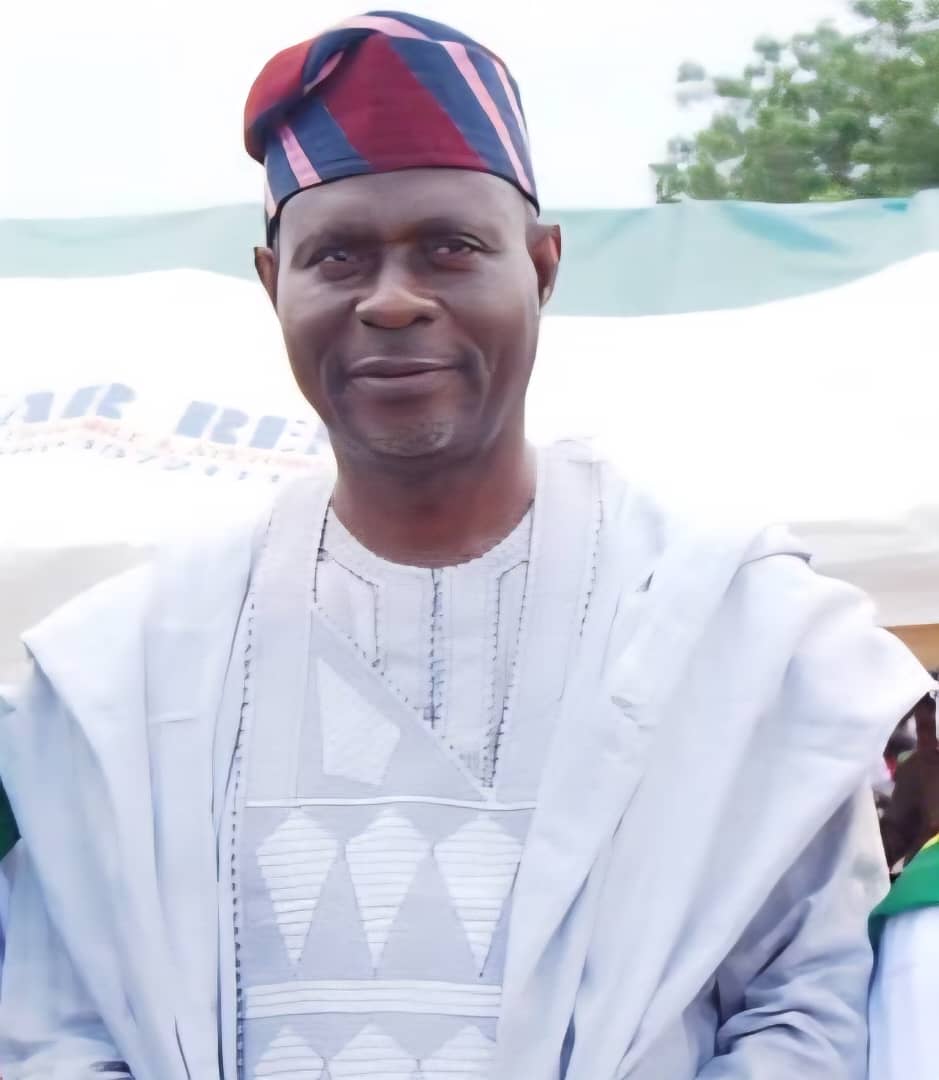
A medical practitioner and member of the Governing Council of Moshood Abiola Polytechnic (MAPOLY), Abeokuta, Dr Rabiu Adeneye Kusimo has said that Nigeria is spending scarce resources to train doctors, nurses, pharmacists, laboratory scientists and other healthcare professionals only for foreign countries, particularly the United Kingdom, United States, Canada and Australia, to reap the benefits of their expertise as worsening brain drain continues to weaken the country’s healthcare system.
Kusimo, said Nigeria’s healthcare crisis was being compounded by poor workers’ welfare, inadequate infrastructure, weak primary healthcare facilities and insufficient institutional preparednes
He called on the Federal and state governments to urgently improve the conditions of service of healthcare professionals, invest in modern medical equipment and strengthen the training of middle-level health personnel to prevent further deterioration of healthcare delivery, particularly in rural communities.
The medical practitioner spoke on Thursday while delivering the convocation lecture at the fourth combined convocation ceremony of the Ogun State Polytechnic of Health and Allied Sciences, Ilese-Ijebu, Ogun State.

The lecture, titled, ‘From Crisis to Preparedness: Repositioning the Middle-Level Healthcare Manpower for a Resilient Healthcare System in Nigeria,’ examined the country’s healthcare challenges and proposed measures for building a more effective, accessible and sustainable health system.
Speaking on the theme, ‘From Crisis to Preparedness: Repositioning the Middle-Level Healthcare Manpower for a Resilient Healthcare System in Nigeria,’ the medical expert challenged the government, educational institutions, healthcare managers and newly graduated health professionals to take urgent steps towards rebuilding the country’s healthcare delivery system.
Addressing the graduands, Kusimo declared, “You are graduating into a health system that is sick, and your job is to help heal it.”
He said the country had continued to lose doctors, nurses, pharmacists, laboratory scientists and other healthcare professionals to foreign countries, including the United Kingdom, Canada, the United States, Australia and countries in the Middle East, warning that the development had weakened the capacity of Nigeria’s health institutions.
Describing the mass migration of trained health professionals as a haemorrhage rather than ordinary migration, he lamented that Nigeria continued to invest resources in training personnel whose services were subsequently enjoyed by other countries.
He noted that the situation had particularly worsened healthcare access in rural communities, where medical personnel were already insufficient.
According to him, the World Health Organisation’s recommended doctor-to-patient ratio of one doctor to 600 people remains far beyond the reality in many Nigerian communities, where one doctor may be responsible for more than 5,000 people.
He said the shortage placed enormous responsibility on middle-level healthcare workers, who often constitute the first point of contact for patients in underserved communities.
Kusimo, therefore, urged the government to address the conditions responsible for the continued departure of healthcare professionals by improving remuneration, welfare, working conditions and career development opportunities.
He, however, acknowledged that migration was often driven by the search for better opportunities, saying he did not condemn professionals who left the country but urged those who remained to contribute to strengthening the national healthcare system.
He observed that a reverse migration trend, popularly described as ‘Japa-dism,’ was gradually emerging as economic and professional pressures affected people across different countries.
The convocation lecturer also identified the poor condition of primary healthcare facilities as another major threat to effective healthcare delivery, noting that several centres, particularly in rural communities, lacked basic infrastructure, including electricity, potable water, essential medicines, diagnostic equipment and accessible roads.
He questioned how medical laboratory technicians, dental therapists and community health extension workers could perform effectively without the necessary equipment and materials.
He added that health information officers could not discharge their responsibilities effectively without computers, reliable electricity and internet connectivity.
“We cannot practise 21st-century medicine with 19th-century tools and ideas,” he said.
The medical practitioner stressed that the country’s healthcare challenges could not be resolved by producing more graduates alone, insisting that institutions must ensure that their students acquire the practical competence required to function effectively after graduation.
He expressed concern that some healthcare training institutions still relied heavily on theoretical teaching, with inadequate simulation exercises, information and communication technology exposure and hands-on clinical experience.
He warned that such a system could produce graduates who possess academic certificates but lack the confidence and practical skills required to handle patients, laboratory procedures and other professional responsibilities.
Kusimo, consequently called for a transition from memorisation-based education to competency-based training, urging institutions to incorporate artificial intelligence, telemedicine, electronic medical records, emergency care, mental health and entrepreneurship into their curricula.
He said healthcare professionals of the future must be digitally literate and equipped to adapt to technological developments in medical practice.
Five pillars of institutional preparedness
To address the challenges, Kusimo proposed five pillars of institutional preparedness for colleges of health technology and other higher institutions training healthcare personnel.
The pillars, he explained, include competency-based curriculum, infrastructural preparedness, human capital development, institutional partnerships, and ethical and leadership preparedness.
On curriculum development, he said students should not merely learn the theoretical definition of diseases but must demonstrate the ability to undertake appropriate clinical procedures, counsel patients, operate within their professional limits and make timely referrals.
He maintained that functional skills laboratories, simulation centres and demonstration wards should become priorities for governing councils and institutional managers.
According to him, students must be allowed to practise on mannequins and through supervised simulations before handling human patients.
He also called for improved investment in lecturers and clinical instructors, arguing that institutions could not produce competent graduates with poorly motivated and inadequately trained teachers.
He urged managements to sponsor academic staff for professional conferences, clinical updates and teaching methodology programmes, while strengthening mentorship arrangements between students and experienced practitioners.
On partnerships, Kusimo, advocated stronger collaboration between colleges, teaching hospitals, primary healthcare centres, non-governmental organisations and international development agencies to expand opportunities for clinical postings, internships, research and community-based healthcare services.
He said practical exposure was indispensable to professional confidence, particularly in emergency situations.
The medical expert, however, described ethical and leadership preparedness as the most important of the five pillars, warning against professional misconduct, negligence, absenteeism, diversion of free drugs and breaches of patient confidentiality.
He said healthcare institutions must produce professionals who are not only technically competent but also trustworthy, disciplined, punctual and compassionate.
Urges government to increase health education funding
Turning to government, Rabiu called for increased funding and timely release of subventions to colleges of health technology and other institutions responsible for producing middle-level healthcare manpower.
He said investment in health education should be regarded as an investment in national development rather than an avoidable expenditure.
He urged the government to strengthen the capacity of existing institutions to train more healthcare personnel while encouraging private-sector participation in the establishment and management of health training institutions.
The lecturer disclosed that the Association of Nigerian Private Medical Practitioners (ANPMP) was considering a project to contribute to the training of more healthcare personnel, noting that the manpower shortage affected both public and private healthcare facilities.
He also argued that expanding the availability of properly trained health professionals could help reduce the activities of medical quacks.
Kusimo further called for the equipping of primary healthcare centres, improved welfare packages and deliberate policies to retain healthcare professionals, particularly in rural and underserved communities.
He warned that without adequate incentives and working tools, the country would continue to train professionals for foreign healthcare systems.
“The government cannot do everything, but the government must do the essential,” he said.
‘Graduates are frontline manpower, not middle-level’
Addressing the graduands, the medical practitioner challenged them to see themselves as critical players in the country’s healthcare delivery system rather than inferior members of the medical workforce.
He described middle-level healthcare professionals as frontline manpower and first responders in many Nigerian communities, particularly where doctors and consultants were unavailable.
He urged them to embrace competence, compassion and commitment to service, warning that their professional conduct could determine whether patients received timely and appropriate care.
“Your certificate is a licence to learn, not a licence to stop,” he told the graduands, encouraging them to pursue further qualifications and aspire to leadership positions within their respective professions.
He also cautioned against treating poor patients as burdens, insisting that the vulnerable and underserved should remain at the centre of healthcare delivery.
“The poor man in your clinic is not a nuisance. He is the reason you are there, and you are the hope he has. Treat him with dignity,” he said.
He urged the new graduates to demonstrate integrity wherever they were posted, adding that their commitment to duty should give patients confidence and a sense of security.
Charges governing councils, lecturers
Rabiu also challenged governing councils and managements of health training institutions to move beyond routine meetings and embrace purposeful governance, accountability and institutional development.
He said governing councils must ensure that policies promoted academic excellence, accreditation standards were maintained, staff development was prioritised and institutional resources were properly managed.
He urged them to make their tenures identifiable through measurable achievements rather than administrative activities.
The lecturer also appealed to teachers, instructors, clinical supervisors and technologists to recognise their responsibility in shaping the country’s health indices.
He urged them to teach not merely to help students pass examinations but to equip them with the knowledge and discipline required to save lives.
He equally acknowledged the sacrifices of parents and guardians whose support had made the graduation of the students possible.
From bedside practice to institutional leadership
Rabiu’s call for a stronger healthcare system draws from more than three decades of medical practice and involvement in institutional governance and public health administration.
Born on January 8, 1960, at Baala Compound, Erunwon, Ake, Abeokuta, to the late Pa Abdur Rahaman and Madam Rhaodhat Kusimo, he attended St James’s African Church School, Idi-Ape/Idi-Aba, Abeokuta, between 1968 and 1973, before proceeding to Premier Grammar School, Lafenwa, Abeokuta, from 1973 to 1978.
He studied at the then University of Ife, now Obafemi Awolowo University, Ile-Ife, between 1980 and 1987, obtaining a Bachelor of Science degree in Health Sciences and a Bachelor of Medicine and Bachelor of Surgery (MBBS).
During his National Youth Service Corps programme in Sokoto State in 1988, he received the NYSC Chairman’s Award as Outstanding Youth Corps Member of the Year.
He is currently the Medical Director of Lafiya Medical Centre and DeKudrab Healthwise Limited, Abeokuta, healthcare institutions recognised for their services in Ogun State.
Beyond private medical practice, Kusimo serves on the 11th and current Governing Council of Moshood Abiola Polytechnic, Abeokuta, where he has contributed to institutional governance and development.
He was recently commended by the chairman, on behalf of the current governing council, for his commitment and contributions to the institution, particularly his role in transforming and upgrading MAPOLY’s Health Centre into a full medical centre to improve healthcare services for staff and students.
He is also a member of the Ogun State Primary Health Taskforce, chaired by the Deputy Governor, and participated in the Technical Working Group responsible for developing the Safe Termination of Pregnancy Guidelines for Ogun State.
His public health contributions include playing a leading role in the introduction of new vaccines in Ogun State, particularly the Human Papillomavirus (HPV) vaccine for girls aged nine to 14 years, an intervention aimed at preventing HPV-related diseases, including cervical cancer.
He is the Chairman of the Administrative Arm of Ogun State Raabittah, Registrar of the Council of Muslim Titled Chiefs of Ogun State (COMTIC), and Chairman of Al-Bushrah Organisation, a philanthropic body involved in community support and humanitarian activities.
He also chairs the Board of Trustees of the Medical Emergency Relief Fund and remains active in the Ogun State chapters of the Association of Nigerian Private Medical Practitioners and the Nigerian Medical Association.
Previously, he served as the second National Vice-President of ANPMP and was the Ogun State chairman of the association for two terms.
His other leadership positions include Pioneer Chairman of the Management Committee of Front Foundation College, Abeokuta; Chairman of the Board of Governors of Lafenwa High School; Pioneer National Coordinator of Dawah Front of Nigeria; and member of its pioneer Board of Trustees.
He also served several times as head and member of the Ogun State medical team for Muslim pilgrims undertaking the Hajj.
His professional recognitions include Distinguished Medical Practitioner (DMP) of ANPMP, Fellow of the Association of General and Private Medical Practitioners (FAGP) and Fellow of the Institute of Corporate Administration (FCAI), alongside awards from the Medical Women’s Association of Nigeria and other organisations.
A devout Muslim, respected public commentator and community development advocate, Rabiu is married to Kudirat Olasumbo, a retired matron of psychiatric nursing, and their marriage is blessed with children.
Preparedness, the way forward
Concluding his lecture, Rabiu maintained that the future of Nigeria’s healthcare system would not be determined by foreign medical centres but by the quality of services delivered in the country’s primary healthcare centres, general hospitals, teaching hospitals and institutions responsible for training health professionals.
He urged the graduands to take responsibility for improving healthcare delivery in their respective places of work, rather than waiting for the Federal Government or state authorities to address every challenge.
“Do not wait for Abuja to fix healthcare. Do not wait for the government alone. You are the government in the health centre where you will work,” he declared.
He challenged them to become professionals whose presence on duty would inspire confidence among patients and their families.
“The best health worker is not the one who knows the most, but the one who cares the most,” he said.
He added that while the convocation gown represented an academic achievement, the professional uniform they would wear after graduation would symbolise a lifelong responsibility to humanity.
“Go and serve Nigeria. Go and serve humanity. Go and serve God,” he told the Class of 2026.


Do you want to share a story with us? Do you want to advertise with us? Do you need publicity for a product, service, or event? Contact us on WhatsApp +2348183319097 Email: platformtimes@gmail.com
We are committed to impactful investigative journalism for human interest and social justice. Your donation will help us tell more stories. Kindly donate any amount HERE