

… Argues Subsidy Era Distorted Fiscal Stability, Drained Resources
…Pushes For Temporary, Targeted Interventions Instead Of Blanket Subsidies
Daud Olatunji
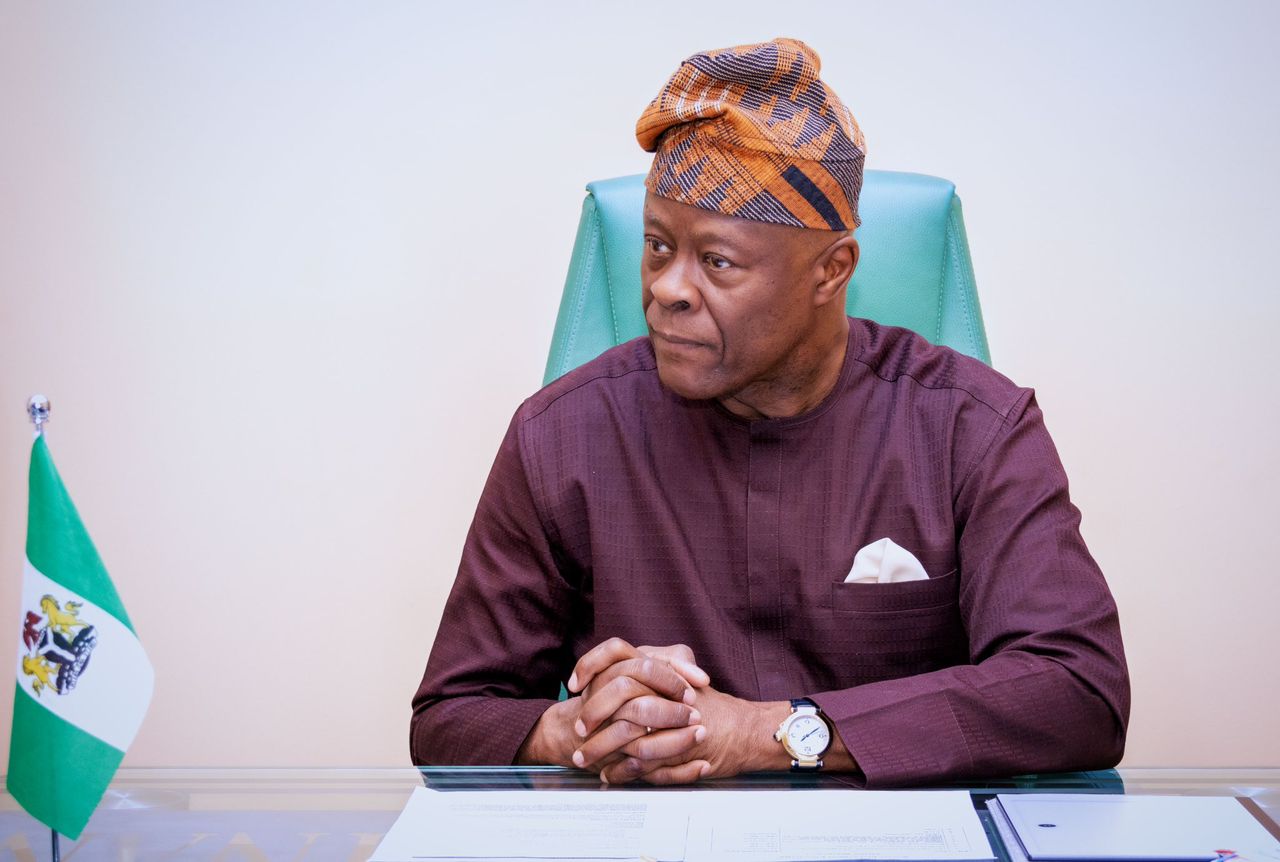
The Minister of Finance and Coordinating Minister of the Economy, Wale Edun, has ruled out any possibility of returning to fuel or foreign exchange subsidies, warning that such a policy reversal would derail Nigeria’s fragile macroeconomic gains despite rising global economic pressures.
Edun said the federal government would instead sustain ongoing reforms, arguing that reintroducing broad subsidies would amount to a “regression” into policies that previously strained public finances and distorted the economy.
Speaking at a press briefing after the Intergovernmental Group of 24 (G24) meetings in Washington, D.C., where he currently chairs the body, the minister noted that while higher crude oil prices may appear beneficial to oil-producing nations like Nigeria, the wider global energy crisis presents complex risks that cannot be ignored.
According to him, the administration of President Bola Tinubu had already begun stabilising the economy through difficult but necessary reforms, including the removal of petrol subsidy and the liberalisation of the foreign exchange market.
Bola Tinubu had, at the inception of his administration in 2023, scrapped the petrol subsidy and unified exchange rate windows—policies that triggered immediate inflationary pressures but were widely described by economists as critical steps toward fiscal stability.
Edun insisted that despite current cost-of-living pressures, reversing those reforms would be counterproductive.
“It is important that we do not have a return to generalized subsidies, a sort of relapse into policies that have not proven successful in the past,” he said.
He stressed that government would instead prioritise targeted interventions aimed at protecting vulnerable citizens rather than broad-based subsidies that disproportionately benefit higher-income groups.
Targeted support over blanket subsidies
The minister argued that the current global shock—driven by geopolitical tensions, supply chain disruptions and energy market volatility—requires a more precise policy response.
Rather than dismantling reforms, he said government would expand temporary and targeted relief programmes to cushion the most vulnerable segments of society.
“We have to use targeted and temporary relief as opposed to rolling back the transformations which economies have taken,” Edun added.
He warned that although oil price increases may boost government revenue, the gains are often offset by rising costs of fertiliser, transportation, food, and industrial inputs, which ultimately erode real household incomes.
“It is not a one-way street,” he said, noting that higher energy costs also feed inflationary pressures across sectors of the economy.
Inflation risks and monetary policy caution
Edun also urged caution on monetary tightening, warning that aggressive interest rate hikes by central banks could worsen economic vulnerabilities.
He said policymakers must strike a balance between containing inflation and sustaining economic recovery efforts.
“There’s a critical balancing role here,” he noted, adding that premature tightening could stifle growth, while delayed action might allow inflation to become entrenched.
Supporting his position, Director of the G24 Secretariat, Iyabo Masha, said supply-driven inflation—particularly from energy shocks—does not always respond effectively to interest rate increases.
She urged central banks to adopt a data-driven approach, warning against overreaction unless inflation begins to influence wages and broader demand.
“Unless these inflationary pressures are going into wages, central banks should at least balance and wait and see how things evolve,” she said.
Rising debt servicing pressures on developing nations
The G24 also raised alarm over worsening external financing conditions facing developing economies, including Nigeria.
Edun disclosed that many developing countries are now experiencing net financial outflows, as debt servicing obligations continue to outweigh external inflows from aid and investment.
He revealed that developing economies paid about $163 billion in debt servicing in 2024, compared to only $47 billion in combined official development assistance and foreign direct investment inflows.
According to him, this imbalance is significantly constraining fiscal space for growth and poverty reduction programmes in countries like Nigeria.
“We are in a period where developing countries are facing a net outflow,” he said, calling for stronger support from multilateral institutions such as the International Monetary Fund (IMF) and the World Bank.
Despite the external pressures, Edun maintained that the long-term solution lies in strengthening domestic resource mobilisation.
He called for accelerated tax reforms, improved revenue collection, and broader fiscal discipline to reduce dependence on external borrowing.
He said such measures would help build resilience against global shocks and ensure sustainable economic growth.
Reform or relapse dilemma
Analysts say the federal government is now confronted with a delicate balancing act: sustaining difficult reforms that have triggered short-term hardship, while preventing economic distress from escalating into social unrest.
For Edun, however, the position remains firm—Nigeria cannot afford a return to subsidy regimes that once drained public finances and distorted market signals.
As global uncertainties persist, the message from Nigeria’s economic managers remains clear: reforms must stay, even under pressure, while support to citizens must be better targeted rather than broadly subsidised.
 '
' '
'Do you want to share a story with us? Do you want to advertise with us? Do you need publicity for a product, service, or event? Contact us on WhatsApp +2348183319097 Email: platformtimes@gmail.com
We are committed to impactful investigative journalism for human interest and social justice. Your donation will help us tell more stories. Kindly donate any amount HERE
