

Zainab Abioye
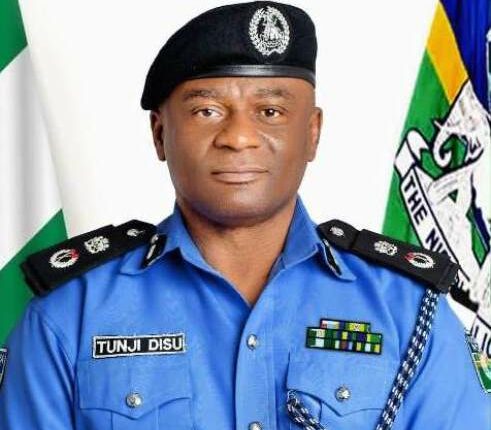
The Inspector-General of Police, Olatunji Disu, has come under fire after his comments questioning the practice of citizens recording police officers on duty triggered a heated debate over police accountability and transparency.
Disu’s position has prompted Nigerians on X to demand the deployment of body-worn cameras for police officers, arguing that the technology would provide an independent record of police-citizen encounters and help protect both members of the public and officers from disputed or misleading accounts of incidents.
The IGP spoke on Tuesday in Abuja when he received the President of the Nigerian Bar Association, Oyinkansola Badejo-Okusanya, and members of the association’s National Executive Committee.
During the meeting, Disu questioned the practice of citizens recording police officers while carrying out their duties, particularly when such footage is subsequently used to create social media content.
His remarks, however, immediately became a subject of debate online, with several Nigerians insisting that documenting police activities in public could strengthen accountability and discourage misconduct.
An X user, Kizzy, questioned why police officers could not simply be equipped with body cameras if being recorded by members of the public was considered problematic.
“Why can’t all officers have bodycams if they believe that being recorded causes pressure or embarrassment?” the user asked.
Another user, Sir Nelson, said the era of relying solely on conflicting accounts of incidents should be over.
“We’ve gone beyond the era of your words against mine, Wear body cams,” he wrote.
Osaro also challenged the police leadership to embrace technological reforms capable of improving public confidence in the force.
Arthur Amadi argued that recording police officers performing their duties could serve as a deterrent against misconduct.
According to him, documenting police activities could “encourage accountability and discourage impunity.”
The debate also exposed lingering concerns about alleged misconduct by some police officers.
An X user, Dauda, alleged that some motorists face harassment and extortion by police personnel, arguing that proper conduct would reduce the perceived need for citizens to record encounters with officers.
“If they were doing their jobs properly, nobody would need to record them,” Dauda said.
However, some Nigerians cautioned against treating every recording of a police officer as evidence of misconduct.
Naija2Cape called for a balance between the right of citizens to document activities in public and the responsible use of such recordings.
The user argued that recording an officer should not automatically become an opportunity to ridicule or embarrass the officer for social media engagement, while maintaining that accountability remained important where there were legitimate concerns about police conduct.
Abuhyman24434 backed the deployment of body cameras, describing the technology as a “win-win” that could protect officers against manipulated footage while providing evidence when citizens raise allegations of misconduct.
The issue also featured prominently in the interaction between the IGP and the NBA leadership.
Okusanya reportedly challenged the concerns surrounding the recording of police officers, arguing that law enforcement personnel should not be afraid of transparency while performing their duties.
The NBA president also pointed to the use of body-worn cameras by police officers in the United States as an example of how technology could be used to document interactions between law enforcement personnel and members of the public.
The controversy has now shifted the conversation from whether citizens should record police officers to whether the Nigeria Police Force should institutionalise the recording of police operations through body-worn cameras.
Proponents say such a system could provide an objective record of encounters, assist investigations, strengthen disciplinary processes and reduce disputes over competing accounts of incidents.
It could also offer protection to police officers against false or manipulated allegations while giving citizens additional safeguards during interactions with law enforcement personnel.
The latest debate comes amid continuing calls for reforms that will improve public trust in the Nigeria Police Force.
For many of those reacting to Disu’s remarks, the central issue is not simply who is holding the camera, but whether police-citizen encounters should be subject to transparent and verifiable documentation.
The growing demand for body cameras therefore places the police leadership under renewed pressure to embrace technology as a tool for accountability, transparency and public confidence.
 '
' '
'Do you want to share a story with us? Do you want to advertise with us? Do you need publicity for a product, service, or event? Contact us on WhatsApp +2348183319097 Email: platformtimes@gmail.com
We are committed to impactful investigative journalism for human interest and social justice. Your donation will help us tell more stories. Kindly donate any amount HERE
 '
'