

Daud Olatunji
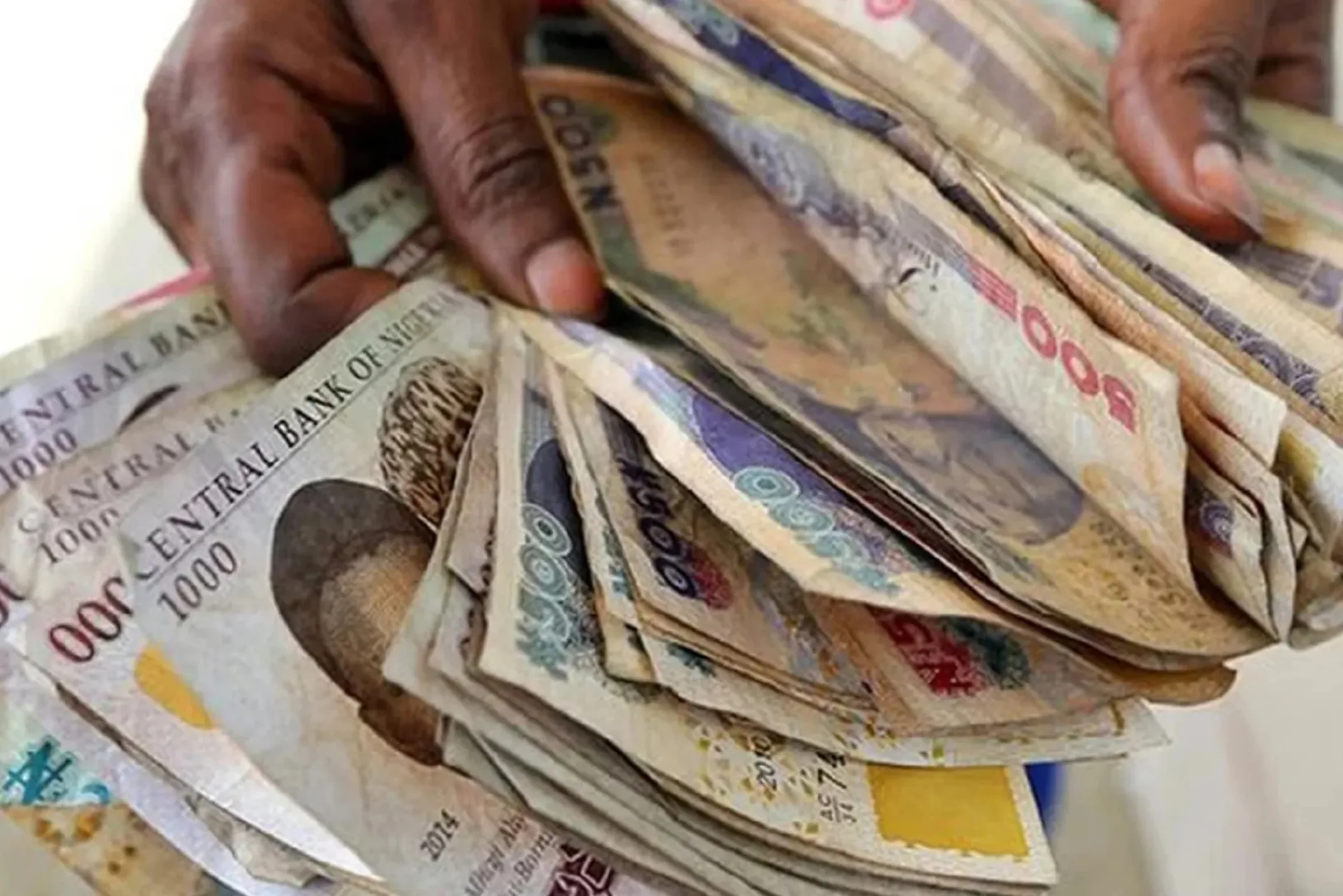
Nigerians living abroad sent $3.8bn to the country through formal money transfer channels in the first seven months of 2026, providing critical financial support to households grappling with rising living costs, according to figures from the Central Bank of Nigeria.
The amount represents a 50.2 per cent increase from the $2.5bn recorded during the corresponding period of 2025, highlighting the growing importance of diaspora remittances in supporting families amid persistent economic challenges.
The figures also showed that July recorded the highest monthly inflow since the CBN began publishing the data series in 2019, with Nigerians abroad sending home $947m through International Money Transfer Operators.
The July inflow was more than double the $464.8m recorded in the same month last year, underscoring the increasing volume of funds being channelled into the Nigerian economy by citizens living overseas.
For millions of households, the money serves as a crucial financial lifeline, helping relatives meet essential needs, including food, accommodation, school fees, healthcare and other daily expenses.
The rising inflows also provide a source of foreign exchange for the Nigerian economy as authorities continue efforts to stabilise the naira and strengthen the country’s external reserves.
The latest figures indicate that diaspora remittances are gaining momentum, with the first half of 2026 alone recording $2.85bn, representing a 38 per cent increase from the $2.07bn received during the corresponding period of 2025.
June was particularly strong, with remittances reaching $580.2m, almost double the $292.2m recorded in June 2025.
The strong performance in June was followed by the record-breaking July inflow, bringing Nigeria closer to the CBN’s target of attracting $1bn in monthly diaspora remittances before the end of 2026.
The CBN Governor, Olayemi Cardoso, had expressed optimism in July that the country was on course to achieve the target, noting that sustained growth could push annual diaspora remittances towards $8bn.
The apex bank has attributed the improvement to a combination of foreign exchange market reforms, changes affecting international money transfer operators, the introduction of the Non-Resident Bank Verification Number and measures designed to improve the transparency and efficiency of remittance transactions.
The measures also include requirements for remittances to pass through designated settlement accounts with authorised dealer banks, aimed at strengthening formal channels and improving the visibility of foreign exchange inflows.
The growing volume of remittances comes at a time when many Nigerian households continue to contend with the high cost of living and mounting financial obligations.
Beyond their immediate role in supporting families, the inflows contribute to economic activity through household consumption, small-business financing and spending on education and healthcare.
However, the reported $3.8bn represents only funds transferred through International Money Transfer Operators and does not capture all money sent home through commercial banks, informal networks and other channels.
 '
' '
'Do you want to share a story with us? Do you want to advertise with us? Do you need publicity for a product, service, or event? Contact us on WhatsApp +2348183319097 Email: platformtimes@gmail.com
We are committed to impactful investigative journalism for human interest and social justice. Your donation will help us tell more stories. Kindly donate any amount HERE
 '
'