

Ayomide Awe
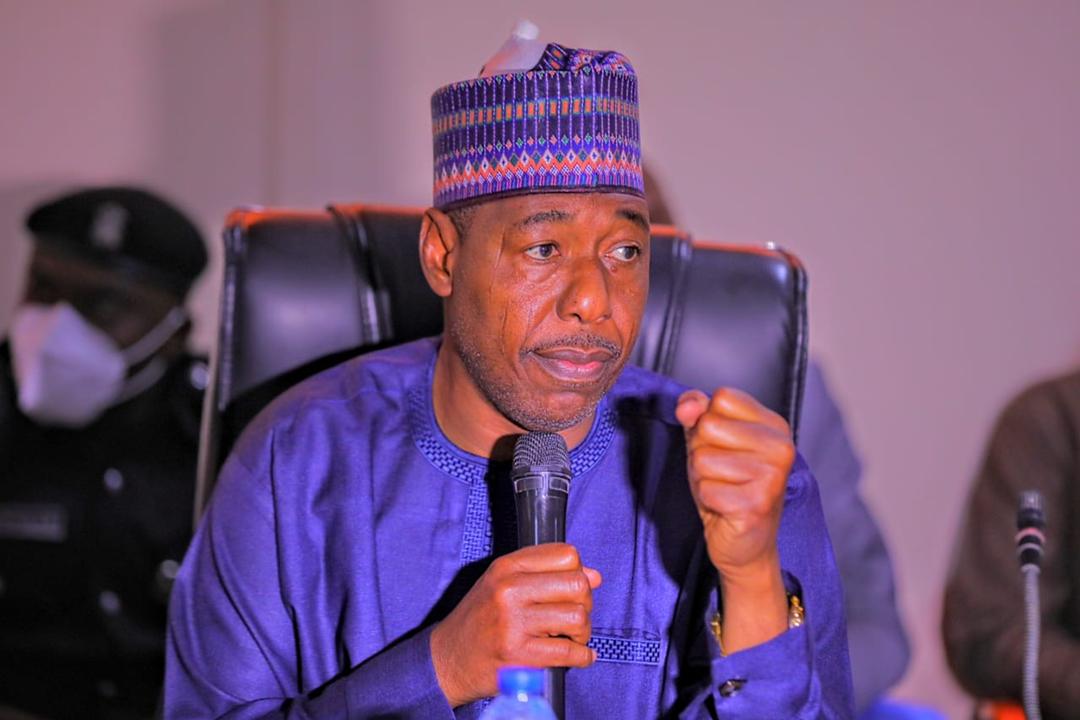
Borno State Governor, Babagana Zulum, has disclosed that metal scavengers carted away all the cables procured for an electricity distribution project valued at over N3bn, linking Damaturu, Yobe State, to Maiduguri, the Borno State capital.
Zulum said the incident was among the major reasons his administration imposed restrictions on metal scavenging and the scrap metal trade, citing the destruction of public infrastructure and growing security concerns.
The governor also alleged that security intelligence indicated that insurgents were using some scrap dealers to dispose of looted metals, warning that his administration would not allow commercial activities to compromise public safety.
He made the disclosures while addressing operators affected by the ban in Maiduguri, according to a statement issued on Sunday by his Senior Technical Assistant on Print and Digital Communications, Abdulrahman Bundi.
“We spent more than N3 billion to connect an electricity distribution line from Damaturu to Maiduguri, but unfortunately we lost all the wires to the metal scavenging activities,” the governor said.
The disclosure has renewed concerns over the vulnerability of critical electricity infrastructure in the North-East, where vandalism and attacks on power installations have repeatedly disrupted electricity supply and increased the cost of repairs.
In September 2021, the Borno State Government raised the alarm over the destruction of high-tension electricity infrastructure supplying Maiduguri and other parts of the state.
Officials had attributed previous disruptions to attacks on power installations by insurgents, leaving Maiduguri without electricity for months before repairs were carried out.
Explaining the security considerations behind the restriction, Zulum said intelligence reports suggested that some scrap dealers were providing channels through which insurgents sold stolen metals.
He maintained that the government could not ignore such reports while attempting to protect public infrastructure and strengthen security across the state.
“We have security intelligence that even the insurgents use your platforms to sell looted metals. So, no responsible government will ignore such intelligence just to be politically correct,” he said.
The governor also expressed concern over the dangers faced by scavengers who venture into communities where civilian activities remain unsafe because of the lingering insurgency.
According to him, several scavengers had been killed while searching for scrap metals in such areas before the restriction was introduced.
“Before the ban, hundreds of your members were killed in the process of scavenging for metals in the villages that are not yet safe for civilian activities,” Zulum said.
He, however, insisted that the policy was not intended to destroy legitimate businesses or deprive traders of their livelihoods.
The governor said his administration had no personal interest in banning the trade but was concerned about the security implications and the destruction of public assets associated with some scavenging activities.
“It is deeply concerning to me if one person loses his livelihood for whatever reason in Borno; believe me, there is nothing I stand to gain from banning scrap metal trade rather than addressing the serious security concerns associated with your activities,” he added.
How Ban Started
The restriction on metal scavenging in Borno State dates back to July 10, 2023, when Zulum announced a ban across the state’s 27 local government areas.
The decision followed an inspection in Maiduguri during which the governor reportedly encountered metal scraps believed to include government property.
At the time, the administration raised concerns over the alleged removal of streetlights, communication infrastructure and other public assets, warning that the activities were contributing to the destruction of essential facilities.
The latest disclosure about the loss of electricity cables has further highlighted the financial implications of infrastructure vandalism, particularly in a state struggling to restore facilities damaged by years of insurgency.
Despite defending the restriction on security grounds, the governor said his administration was exploring ways to reduce its economic impact on legitimate operators.
At Saturday’s meeting with affected traders, Zulum granted a waiver allowing them to evacuate scrap materials accumulated before the ban from designated locations.
He also directed the operators to submit proposals outlining how they could continue their businesses without encouraging insecurity, the sale of stolen metals or the destruction of public infrastructure.
The intervention followed a reported offer of N200m in assistance to affected operators and the designation of 72 sites for the evacuation exercise.
The government also indicated its willingness to reconsider the ban if the traders could present credible measures to prevent vandalism and security breaches.
 '
' '
'Do you want to share a story with us? Do you want to advertise with us? Do you need publicity for a product, service, or event? Contact us on WhatsApp +2348183319097 Email: platformtimes@gmail.com
We are committed to impactful investigative journalism for human interest and social justice. Your donation will help us tell more stories. Kindly donate any amount HERE
 '
'