

Toyyibat Qasim
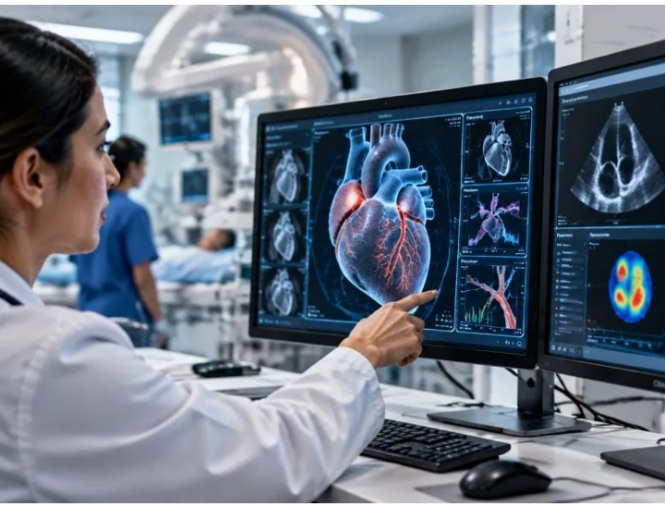
Artificial intelligence is opening new possibilities for the early detection of heart disease by helping healthcare professionals identify hidden patterns in medical data that could signal potential cardiovascular problems.
According to a report published by Tech America, AI-powered systems can analyse large volumes of medical information and identify patterns that may be difficult to detect through conventional methods.
The technology is being developed to analyse electrocardiograms (ECGs), cardiac imaging, data from wearable devices and electronic health records to support medical assessments and improve cardiovascular care.
The report noted that traditional cardiovascular assessments rely on indicators such as blood pressure, cholesterol levels, imaging tests and patients’ medical histories.
While these methods remain essential in diagnosing and managing heart conditions, artificial intelligence is increasingly being explored as an additional tool to help doctors interpret complex medical information and make better-informed clinical decisions.
It explained that machine-learning models trained on large collections of ECG recordings could detect subtle patterns associated with future cardiovascular risks, potentially helping healthcare professionals identify warning signs that might otherwise go unnoticed.
ECG tests, which record the electrical activity of the heart, are widely used to identify abnormalities in heart rhythm and other possible cardiac problems.
The report suggested that AI-powered analysis could extract additional information from ECG recordings, expanding the potential benefits of an already established and widely used diagnostic tool.
Beyond hospital-based testing, the growing use of connected health devices is also creating opportunities for more continuous monitoring of patients.
Wearable devices can collect information such as heart rate and other physiological measurements, providing additional data that may help healthcare professionals assess cardiovascular health over time.
When combined with other clinical information, these data could support a more comprehensive understanding of an individual’s cardiovascular risks.
However, the report highlighted the challenges associated with interpreting such information, particularly distinguishing medically significant signals from normal variations in the body’s functioning.
Changes in heart rate, for instance, do not automatically indicate heart disease, making clinical interpretation essential to avoid misleading conclusions.
The report stressed that artificial intelligence is not intended to replace cardiologists or other qualified healthcare professionals.
Rather, the technology is designed to provide an additional layer of analysis to support medical assessments, with final decisions still requiring clinical evaluation, patients’ medical histories and professional judgement.
The emerging application of AI in cardiovascular care reflects a broader shift towards data-driven healthcare, in which advanced computing tools are increasingly being explored to improve disease detection, risk assessment and patient management.
Nevertheless, the technology’s usefulness will depend on its ability to produce reliable findings and support appropriate clinical decisions.
For patients, the potential benefit lies in helping healthcare professionals recognise possible warning signs earlier and determine when further medical evaluation may be necessary.
The report’s findings underline the growing role of artificial intelligence in healthcare, while reinforcing the need for medical expertise to remain central to the diagnosis and treatment of cardiovascular conditions.
 '
 '
Do you want to share a story with us? Do you want to advertise with us? Do you need publicity for a product, service, or event? Contact us on WhatsApp +2348183319097 Email: platformtimes@gmail.com
We are committed to impactful investigative journalism for human interest and social justice. Your donation will help us tell more stories. Kindly donate any amount HERE
 '
