

…Four Nigerians Reportedly Die After Being Turned Away By Hospitals In Recent Cases
…Ibadan Singer Visits Nine Hospitals Before Death, Lagos Accident Victim Dies After Three Facilities Reject Him
…17-Year-Old, Six-Year-Old Among Latest Victims As Lawmakers Propose 15-minute Emergency Response
…Bill Seeks Licence Withdrawal, Compensation For Victims, Criminal Sanctions Against Erring Health Workers
Daud Olatunji
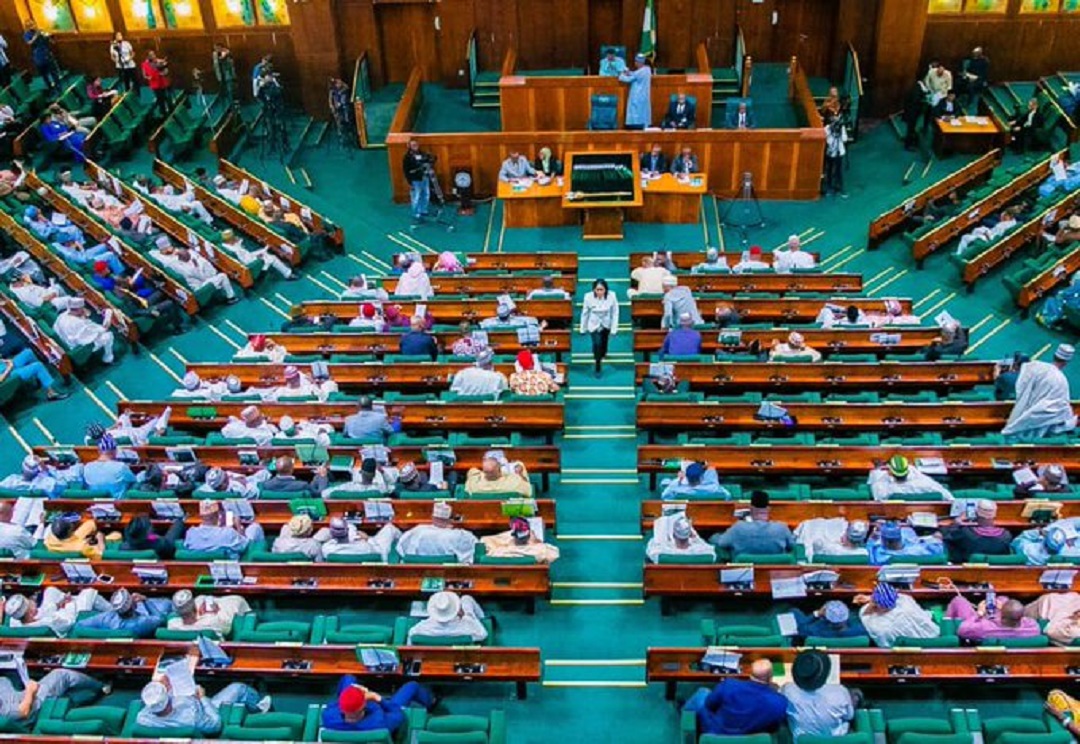
The House of Representatives has moved to tighten sanctions against hospitals that deny patients emergency medical treatment, amid disturbing reports of Nigerians losing their lives after being turned away from healthcare facilities or delayed while seeking urgent medical attention.
The proposed legislation, which seeks to amend the National Health Act 2014, has passed second reading at the House of Representatives, following renewed concerns over preventable deaths allegedly linked to hospital rejection, demands for upfront payments, inadequate emergency facilities and poorly coordinated referrals.
The development comes against the backdrop of several reported cases of patients dying after being rejected by multiple hospitals, including a 41-year-old gospel singer in Ibadan, Oyo State, who reportedly visited nine hospitals before he died.
In a recent report published by The Sun, the singer, Olayemi Bolaji, popularly known as ToluwaniSings, reportedly slumped at his residence in October and was rushed to the first hospital within 15 minutes.
However, the facility reportedly referred him elsewhere, citing inadequate facilities to manage his condition.
His family subsequently took him to eight other hospitals within two hours, but they reportedly cited lack of bed space, absence of specialists or advised that he should be taken to a teaching hospital.
By the time he eventually arrived at a tertiary healthcare facility, he had died.
In another reported incident in Lagos, a 52-year-old businessman, identified as Adewale, reportedly died while being taken to a fourth hospital after three facilities allegedly rejected him following a road accident on the Third Mainland Bridge.
According to the report, the hospitals cited lack of bed space in their emergency units.
Similarly, a 17-year-old student, Joshua Ipoku, reportedly died after two private clinics allegedly demanded an upfront payment of N200,000 before admitting him for treatment following a severe asthma attack.
His roommates reportedly could not raise the money immediately, while he died before his family could transfer the required amount.
Another case involved a six-year-old boy, Chinedu Okafor, who reportedly suffered convulsions and was turned away by two hospitals on the grounds that their paediatric emergency units were full.
Although he eventually received treatment at a third facility, he reportedly died days later after suffering brain damage.
The cases have renewed concerns about the enforcement of the National Health Act, particularly Section 20, which prohibits healthcare providers and facilities from refusing emergency medical treatment to patients.
A working paper published by the National Institute for Legislative and Democratic Studies in June 2025 also documented several deaths allegedly associated with delays in emergency treatment, particularly the practice of demanding police reports before attending to victims of gunshot injuries.
Among the cases highlighted were the deaths of 20-month-old Emmanuel Eleweke in Imo State in June 2025, NYSC member Precious Owolabi in 2019 and Greatness Olorunfemi in 2023.
The working paper described the continued demand for police reports before emergency treatment as a violation of existing legal protections and called for stronger enforcement and a national system for tracking fatalities associated with denial of emergency care.
However, Nigeria still lacks a comprehensive national database establishing the total number of deaths directly attributable to hospital rejection.
Meanwhile, leading the debate on the proposed amendment during Wednesday’s plenary, the sponsor of the bill and spokesperson of the House, Akin Rotimi, said the legislation was designed to address preventable deaths arising from treatment delays, administrative bottlenecks, demands for payment before medical attention and poorly coordinated referrals.
Rotimi lamented that despite the existence of legislation prohibiting the rejection of emergency patients, Nigerians continued to suffer avoidable complications and lose their lives because some healthcare facilities failed to respond promptly to medical emergencies.
He explained that the proposed amendment would introduce specific timelines for emergency response, including mandatory triage within 15 minutes of a patient’s arrival and basic stabilisation within 30 minutes.
Under the proposed provisions, life-saving interventions must commence immediately once a life-threatening condition is identified.
The bill also stipulates that hospitals with available bed spaces must assign them to emergency patients within two hours.
Where a facility has no available bed, it would be required to commence stabilisation and initiate a referral within two hours of the patient’s arrival or immediately after clinical stabilisation.
The proposed amendment further provides for financial penalties, suspension of operating licences and possible closure or withdrawal of licences for subsequent violations.
Healthcare workers who wilfully refuse or abandon emergency patients would also face criminal penalties and professional disciplinary proceedings.
In addition, families of patients who suffer injuries, disabilities or death as a result of violations of the emergency treatment provisions would be entitled to seek compensation through civil action against the offending healthcare facilities.
Rotimi said the amendment was necessary because unnecessary delays increased the risks of complications, permanent disabilities and death.
He said, “Nigerians should not have to negotiate for survival at the point of a medical emergency. No family should lose a loved one because treatment was unnecessarily delayed, a referral was poorly coordinated, or a healthcare facility failed to discharge its responsibility.”
The lawmaker maintained that the proposed amendment would ensure that the right to emergency treatment was not merely declared in the country’s laws but reflected in the actual delivery of healthcare.
EXISTING LAW, WEAK ENFORCEMENT
Under Section 20 of the National Health Act 2014, healthcare providers, health workers and health establishments are prohibited from refusing emergency medical treatment to anyone for any reason.
The existing law prescribes a fine of N100,000, imprisonment for up to six months or both for offenders.
However, the recurring reports of patients being turned away have raised questions about the effectiveness of enforcement and the ability of regulatory authorities to hold erring hospitals accountable.
Beyond the proposed sanctions, Nigeria’s emergency healthcare infrastructure also faces significant capacity challenges.
According to figures cited in a recent report by The Sun, the country has approximately 40,000 registered health facilities, but fewer than 1,200 are classified as hospitals with 24-hour emergency units.
The report also put Nigeria’s hospital-bed availability at approximately 0.9 per 1,000 people, significantly below the global average of 2.9 beds per 1,000 people.
The World Health Organisation’s 2024 figures cited in the report indicated that Nigeria had approximately 4.7 doctors and 16.1 nurses per 10,000 people, against the recommended combined health workforce threshold of 44.5 per 10,000 people.
The figures underscore the need for the government to address inadequate hospital infrastructure, shortage of medical personnel, insufficient emergency beds and poor referral coordination alongside stricter enforcement of existing laws.
The Nigerian Medical Association has also maintained that some incidents described as hospital rejection result from facilities lacking the specialists, intensive care beds or equipment required to manage particular medical conditions.
However, medical practitioners are expected to provide immediate stabilisation before arranging safe referrals to better-equipped facilities.
The proposed amendment is therefore expected to strengthen accountability while establishing clearer responsibilities for hospitals and healthcare workers when confronted with life-threatening emergencies.
For families who have lost loved ones after desperate searches for hospitals, the proposed legislation raises a fundamental question: how many more Nigerians must die before emergency treatment becomes a guaranteed right rather than a privilege?
 '
 '
Do you want to share a story with us? Do you want to advertise with us? Do you need publicity for a product, service, or event? Contact us on WhatsApp +2348183319097 Email: platformtimes@gmail.com
We are committed to impactful investigative journalism for human interest and social justice. Your donation will help us tell more stories. Kindly donate any amount HERE
 '
