

Toyyibat Qasim
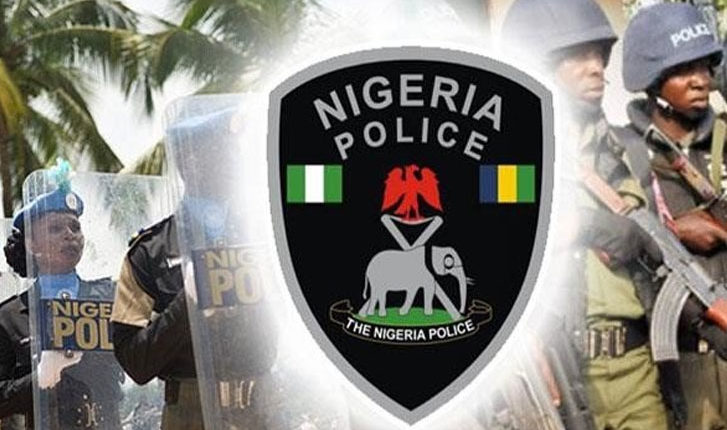
The Nigeria Police Force has clarified that Inspector-General of Police, Olatunji Disu, has not banned citizens from recording police officers, saying his recent comments were directed at the misuse of such recordings for ridicule, entertainment and social media skits.
The clarification followed growing public criticism of the IGP’s remarks, which had triggered concerns among lawyers, human rights advocates and other Nigerians over the right of citizens to document police activities in public spaces.
The Force New Media Officer, Aliyu Giwa, made the clarification in a series of posts on X, stressing that the police authorities recognise the legitimate role of recordings in promoting accountability and protecting both members of the public and police officers.
According to Giwa, Disu’s concern was not to prevent citizens from documenting police conduct or to shield officers from scrutiny.
“The IGP’s concern is not to shield Police officers from accountability or deny citizens their rights,” Giwa said.
He explained that the IGP was particularly concerned about situations where police officers were deliberately provoked, ridiculed or filmed for entertainment while carrying out their official duties.
Giwa said responsible documentation could be useful to citizens seeking to establish allegations of misconduct and could equally protect police officers against false accusations.
He, however, maintained that police personnel, like other citizens, were entitled to dignity and privacy.
The clarification came after Disu reportedly described the practice of filming police officers for social media skits as “very demoralising.”
While acknowledging the right of citizens to record police officers in public, the IGP had urged Nigerians to exercise restraint and avoid turning officers into online “content.”
The comments generated debate over where the line should be drawn between citizens’ rights to document the activities of public officials and the need to prevent harassment, humiliation or inappropriate use of recordings.
The Nigerian Bar Association and human rights advocates have maintained that citizens should be able to document police activities, particularly where such recordings may provide evidence of alleged misconduct or abuse of power.
A Federal High Court ruling in Warri earlier this year also affirmed the right of citizens to record police activities, further fuelling calls for clarity on the circumstances under which police officers may object to being filmed.
Against this backdrop, the police clarification appears aimed at drawing a distinction between legitimate documentation of police conduct and recordings allegedly made primarily for ridicule or entertainment.
Giwa said the police leadership was interested in striking a balance between accountability and responsibility, transparency and privacy, as well as professionalism and citizens’ rights.
He disclosed that the introduction of body-worn cameras was also being considered as part of wider police reforms aimed at improving transparency and accountability in policing.
The development is expected to sustain the public conversation over the use of smartphones and other recording devices during encounters between citizens and law enforcement officers.
 '
' '
'Do you want to share a story with us? Do you want to advertise with us? Do you need publicity for a product, service, or event? Contact us on WhatsApp +2348183319097 Email: platformtimes@gmail.com
We are committed to impactful investigative journalism for human interest and social justice. Your donation will help us tell more stories. Kindly donate any amount HERE
 '
'