

Oluwanifenj Ibikunke
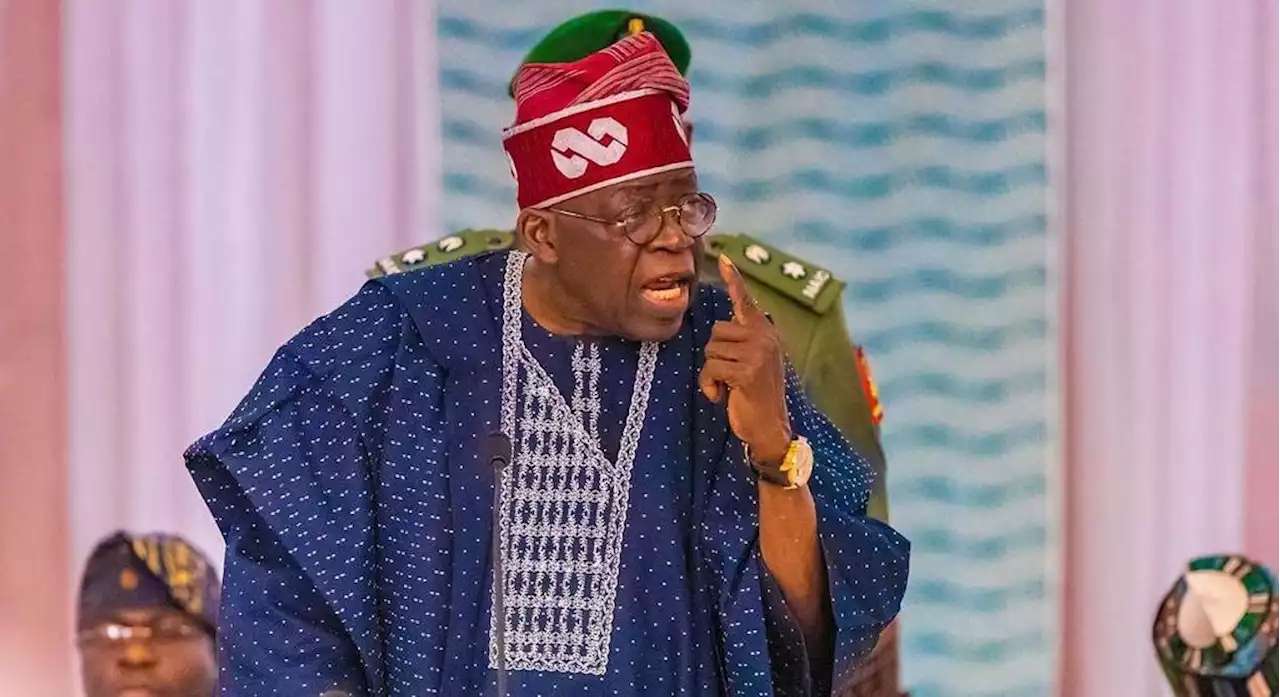
President Bola Tinubu has directed Ministries, Departments and Agencies of the Federal Government and state governments to fully implement Nigeria’s National Policy and National Action Plan for the Elimination of Child Labour, 2026–2030, declaring the protection of children a national development priority.
Tinubu said child labour could no longer be treated merely as a labour-sector issue, stressing that its consequences cut across education, poverty reduction, economic growth, food security, human capital development and national security.
The President spoke on Wednesday in Abuja at the National Dialogue on Advancing the Implementation of Nigeria’s National Child Labour Policy and National Action Plan (2026–2030), where he launched the 2024 National Child Labour Survey Report and the new five-year action plan.
He was represented at the event by the Secretary to the Government of the Federation, George Akume.
According to a statement signed by the Special Adviser to the SGF on Media and Publicity, Yomi Odunuga, Tinubu said the Federal Government would intensify efforts to address the underlying conditions that expose children to exploitative labour.
He said, “Every nation is judged by how well it protects its children. A child who is forced into labour instead of attending school loses more than an education. That child loses opportunities, confidence, health and the chance to fully contribute to national development.”
The President added that his administration viewed the elimination of child labour as a development imperative because of its links with several socio-economic challenges.
“For this reason, the Federal Government considers the elimination of child labour not merely as a labour issue, but as a national development priority. It is linked to education, social protection, economic growth, poverty reduction, food security, human capital development and national security,” he said.
Education key to ending child labour
Tinubu identified access to education as one of the strongest safeguards against child labour, saying his administration was implementing reforms aimed at reducing the number of out-of-school children, improving education data, developing teachers and expanding skills acquisition.
He also linked the Federal Government’s Renewed Hope National Home-Grown School Feeding Programme to the fight against child labour, saying the initiative would help improve school attendance while addressing hunger and malnutrition among children from vulnerable households.
The President said efforts to eliminate child labour must also address the economic pressures confronting families.
He said the government was strengthening social protection and household resilience through initiatives including the NG-CARES Additional Financing Programme and the Human Capital Opportunities for Prosperity and Equity (HOPE) Programme.
According to him, the programmes were designed to expand economic opportunities and help parents and caregivers secure decent livelihoods, thereby reducing the circumstances in which children are compelled to work to support their families.
The President also recalled the launch of the National Plan of Action on Ending Violence Against Children in Nigeria (2024–2030) in 2025, saying his administration had continued to pursue stronger enforcement of the Child Rights Act and other child-protection laws.
He said measures were also being taken to improve the safety of schools, particularly those located in vulnerable and high-risk areas.
Tinubu said Nigeria’s designation as an Alliance 8.7 Pathfinder Country imposed an additional responsibility on the country to demonstrate tangible progress in the elimination of child labour.
“As an Alliance 8.7 Pathfinder Country, Nigeria accepts both the responsibility and the opportunity to lead by example,” he said.
He described the newly launched National Child Labour Policy and National Action Plan for the Elimination of Child Labour (2026–2030) as a practical framework for converting Nigeria’s international commitments into measurable action.
The President urged state governments to support the implementation of the action plan, while calling on the Nigeria Governors’ Forum and the Nigeria Governors’ Spouses Forum to champion child-protection initiatives across the country.
He also charged employers to ensure that their supply chains were free of child labour.
Tinubu further called on workers’ organisations, development partners, traditional and religious leaders, communities, parents and guardians to support the national campaign.
The President subsequently launched the National Child Labour Survey (Labour Force Survey) 2024 Report, alongside the 2026–2030 National Policy and National Action Plan, directing relevant stakeholders to ensure their implementation.
He commended the Federal Ministry of Labour and Employment, the International Labour Organisation, ECOWAS, European Union, Government of the Kingdom of the Netherlands, United States Department of Labor, World Bank, National Bureau of Statistics and members of the National Steering Committee on the Elimination of Child Labour for supporting the initiative.
Tinubu said Nigeria must now move “beyond commitment to action”, insisting that every Nigerian child should have access to education and protection and enjoy a childhood free from exploitation.
 '
' '
'Do you want to share a story with us? Do you want to advertise with us? Do you need publicity for a product, service, or event? Contact us on WhatsApp +2348183319097 Email: platformtimes@gmail.com
We are committed to impactful investigative journalism for human interest and social justice. Your donation will help us tell more stories. Kindly donate any amount HERE
 '
'