

Daud Olatunji
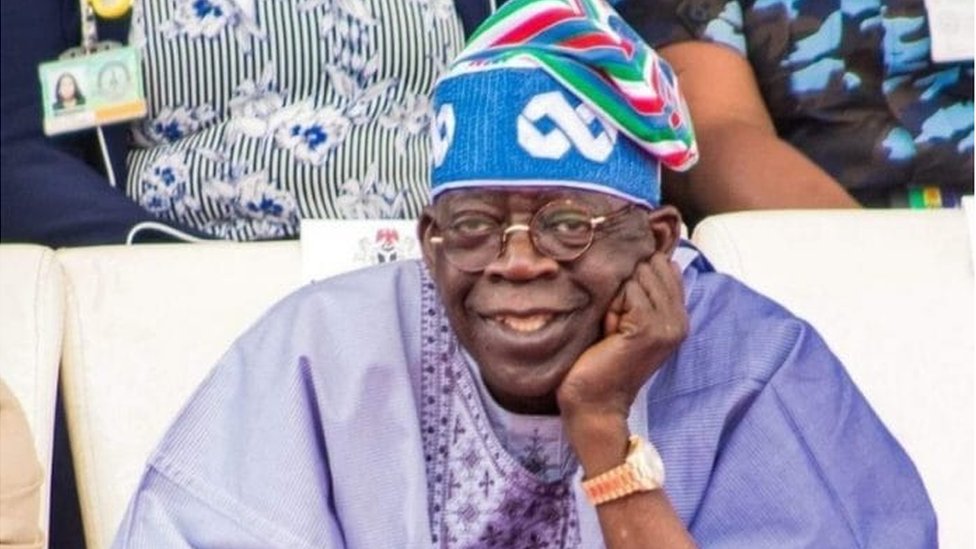
President Bola Tinubu would have been indicted by United States authorities if there were sufficient evidence linking him to drug trafficking, a member of his US legal team, Wole Afolabi, SAN, has said.
Afolabi made the assertion while appearing on Channels Television’s Sunday Politics, amid renewed attention to allegations surrounding a 1993 US civil forfeiture case involving about $460,000 linked to accounts associated with Tinubu.
The lawyer said the fact that an individual had been investigated or named in an investigation did not amount to proof of criminal culpability.
“If he was culpable, he simply would have been indicted. There’s no shortcut around it,” Afolabi said.
He stressed that being a subject of an investigation was not equivalent to being guilty, noting that the principle of presumption of innocence remained applicable.
The controversy has resurfaced against the backdrop of a Freedom of Information Act lawsuit filed in a US District Court by American transparency activist Aaron Greenspan.
The suit seeks records from the Federal Bureau of Investigation and the Drug Enforcement Administration relating to investigations conducted in the early 1990s, including documents connected to the 1993 forfeiture proceedings.
US authorities had alleged at the time that the funds were proceeds of narcotics trafficking or related money-laundering activities.
Afolabi said some records had already been released by the US government, while portions of the requested documents remained withheld under exemptions provided by the Freedom of Information Act.
According to him, the FBI and DEA had justified the withholding of some information on the grounds that disclosure could expose agents, confidential sources and investigative techniques.
“They are saying that if we discuss this publicly, we would compromise our agents; we would compromise the techniques that we use to get information,” he said.
“They have sources, they have informants. They don’t want them to be compromised.”
The lawyer also dismissed suggestions that Tinubu’s legal team was attempting to suppress information or cover up wrongdoing by opposing further disclosure of the records.
He argued that lawyers had a professional duty to use legal protections available to their clients.
“It will amount to professional malpractice on our part if we don’t take advantage of what the law offers,” Afolabi said.
He, however, declined to provide details about the $460,000 forfeiture or disclose any private explanations allegedly given to the legal team by Tinubu, citing attorney-client privilege.
Tinubu’s lawyers have intervened in the FOIA litigation, arguing that the release of additional unredacted records could violate privacy protections and that allegations arising from the old investigation should not be treated as established facts.
There has been no US criminal indictment, arrest or conviction of Tinubu for drug trafficking, according to the material surrounding the case.
The 1993 proceeding was a civil forfeiture action against the money, rather than a criminal prosecution resulting in a conviction of Tinubu.
The distinction became particularly relevant during legal proceedings arising from the 2023 presidential election, when Nigerian courts considered arguments relating to the old US forfeiture case.
The latest comments by Afolabi are therefore likely to renew debate over the contents of the withheld FBI and DEA records and the extent to which the documents could shed further light on the circumstances surrounding the 1993 forfeiture.
 '
' '
'Do you want to share a story with us? Do you want to advertise with us? Do you need publicity for a product, service, or event? Contact us on WhatsApp +2348183319097 Email: platformtimes@gmail.com
We are committed to impactful investigative journalism for human interest and social justice. Your donation will help us tell more stories. Kindly donate any amount HERE
 '
'