

..• Nearly 15,500 hospitalised as aid cuts, food shortages threaten treatment
Ayomide Awe
More than 87,000 children received treatment for acute malnutrition in Katsina State between January and August 2026, raising fresh concerns over the persistent child nutrition crisis in northern Nigeria.
The figure, released by the international medical humanitarian organisation, Médecins Sans Frontières (MSF), represents a decline from the over 95,000 children treated during the corresponding period in 2025. However, the organisation warned that the number remains alarmingly high.
Nearly 15,500 children were also hospitalised for severe or complicated malnutrition within the eight-month period, compared with approximately 16,500 recorded during the same period last year.
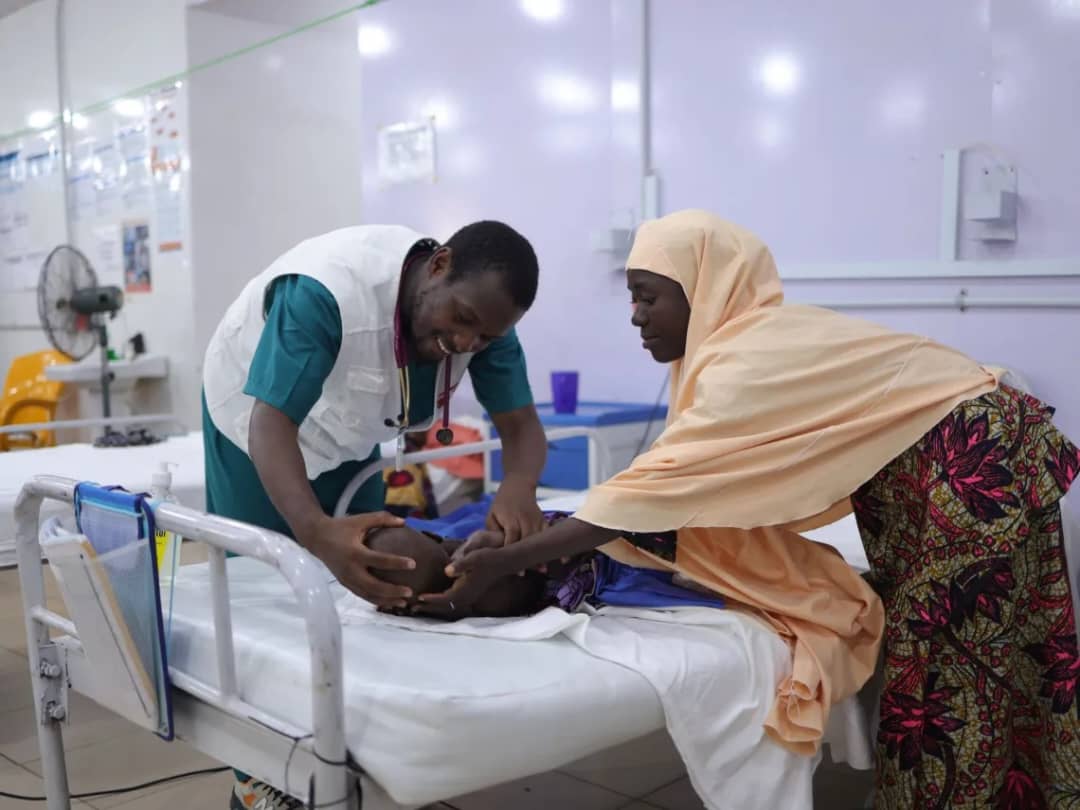
The children received outpatient and inpatient care at MSF-supported therapeutic feeding facilities in Katsina, where poverty, food insecurity, displacement, disease outbreaks and extreme weather continue to expose vulnerable families to malnutrition.
MSF’s medical coordinator in Nigeria, Raphael Kananga, said the reduction in the number of children treated should not be mistaken for an end to the crisis.
He noted that the number remained higher than the level recorded two years ago, despite the decline from the 2025 figures.
The organisation clarified that the statistics covered children treated at its facilities and did not represent the total number of malnourished children across Katsina State.
Kwashiorkor raises fresh concerns
MSF also expressed concern over the prevalence of kwashiorkor, a severe form of malnutrition that can cause swelling of the body and skin lesions.
The organisation warned that the condition could be difficult for caregivers to recognise, potentially delaying medical intervention until a child’s health had deteriorated significantly.
To improve care for affected children, MSF established a specialised unit within its inpatient therapeutic feeding centre in Katsina.
A mother, Badiyya Shafi’u, whose child received treatment at the facility, said she initially did not realise that her child’s condition was caused by malnutrition.
According to her, the child’s health deteriorated to the point that he could not sit without assistance.
She said the situation improved following treatment, adding that the child could subsequently sit independently, stand with assistance and had begun attempting to walk again.
MSF, however, did not disclose the number of children specifically diagnosed with kwashiorkor during the period under review.
Improved harvests, security reduce admissions
The humanitarian organisation attributed part of the decline in treatment figures to improved agricultural harvests and better security in some parts of Katsina.
Its partnership coordinator, Jean-Clément Ishimwe, said some families displaced by insecurity in Jibia and Batsari local government areas had returned to their communities and resumed farming.
He explained that many displaced residents had previously sought refuge in other parts of the state, including Katsina, Mashi and Mani, where their access to farming and other livelihood opportunities was limited.
According to him, the return of some families to their communities enabled them to resume agricultural activities and improve their access to food.
MSF also credited increased humanitarian interventions and the Katsina State Government’s establishment of additional outpatient and inpatient treatment facilities with helping to reduce the number of children requiring hospitalisation.
The organisation said it supported the expansion by training healthcare workers and strengthening services at the new centres.
However, the decline in admissions does not necessarily establish that the overall prevalence of malnutrition across the state has fallen by a corresponding margin.
Katsina allocates N1bn to fight malnutrition
Despite acknowledging the government’s efforts, MSF warned that inadequate funding and shortages of ready-to-use therapeutic food continued to threaten treatment services.
Ishimwe disclosed that the Katsina State Government had increased its allocation for tackling malnutrition to N1bn, doubling its previous provision, particularly for the procurement of therapeutic food.
He added that the United Nations Children’s Fund had pledged to mobilise an equivalent amount through its Child Nutrition Fund.
He described the commitments as encouraging but stressed the importance of translating them into actual funding and sustained interventions.
MSF did not disclose how much of the N1bn allocation had been released or spent by the state government. It also did not confirm whether UNICEF had completed the proposed matching contribution.
The organisation said Katsina had expanded its network of ambulatory treatment centres from only a few in 2021 to approximately 400 in 2026.
Despite the expansion, funding gaps and difficulties obtaining therapeutic food remain major challenges to the delivery of treatment.
MSF further identified reductions in humanitarian assistance from the United States and several European countries, including France, Germany and the United Kingdom, as factors complicating efforts to sustain nutrition programmes.
Northern Nigeria faces wider nutrition crisis
The situation in Katsina reflects a broader child malnutrition emergency affecting several states in northern Nigeria.
MSF said its nutrition projects across seven northern states treated 57,999 children in inpatient facilities and 225,778 through outpatient programmes between January and August 2026.
The organisation also cited figures from the Nutrition Society of Nigeria indicating that nearly two million Nigerian children were affected by severe acute malnutrition, while only about two in every 10 received treatment.
The figures represent the society’s assessment as cited by MSF and not a new nationwide survey conducted by the humanitarian organisation.
The persistent crisis has been linked to multiple factors, including rising living costs, poverty, insecurity, displacement, disease outbreaks and extreme weather conditions that disrupt farming and restrict access to nutritious food.
For households already struggling to meet basic needs, these pressures can make it difficult to provide children with adequate meals, increasing their vulnerability to severe nutritional deficiencies.
MSF called on federal and state governments, international donors and humanitarian partners to sustain financial support, expand treatment facilities and ensure the availability of therapeutic food.
The organisation warned that without consistent funding and improved access to essential nutrition services, thousands of vulnerable children could remain at risk of life-threatening malnutrition despite the decline in admissions recorded at its Katsina facilities.
 '
' '
'Do you want to share a story with us? Do you want to advertise with us? Do you need publicity for a product, service, or event? Contact us on WhatsApp +2348183319097 Email: platformtimes@gmail.com
We are committed to impactful investigative journalism for human interest and social justice. Your donation will help us tell more stories. Kindly donate any amount HERE
 '
'