

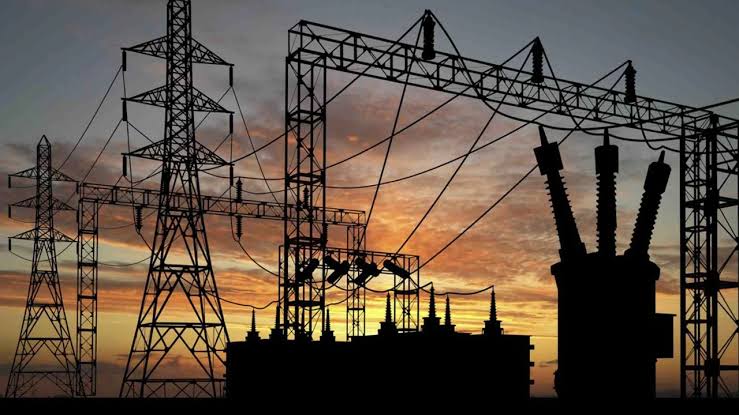
The Japanese Government, through the Japan International Cooperation Agency, has committed about N20bn to the expansion and rehabilitation of Nigeria’s national electricity transmission network, with the Apapa Transmission Substation in Lagos among the major beneficiaries.
The JICA Chief Representative in Nigeria, Ishigame Keiji, disclosed this in Lagos on Wednesday during an interview with the News Agency of Nigeria.
Keiji said the intervention, valued at 2.35 billion Japanese yen, would cover the construction and rehabilitation of critical infrastructure, procurement of equipment, engineering services, operational training and other project implementation activities.
He explained that the project was aimed at strengthening transmission infrastructure in Lagos, where rising electricity demand and ageing facilities had continued to place pressure on the power system.
According to him, the rehabilitation of the Apapa substation has already helped to increase transmission capacity, improve reliability and ease bottlenecks affecting electricity evacuation and distribution across Lagos and adjoining areas.
Keiji added that Japan, through JICA, was also implementing another official development assistance project through a concessional loan to strengthen the transmission network serving Lagos and Ogun states.
He said JICA would further provide technical assistance and policy advisers to the Federal Ministry of Power to support ongoing reforms and improve the development and management of Nigeria’s electricity sector.
“The Government of Japan, through JICA, is collaborating with the Ministry of Power to enhance stable and reliable power supply in Nigeria,” he said.
The JICA representative said Japanese companies and other private investors remained interested in Nigeria because of the country’s large and growing market.
He, however, stressed the need for stronger government support and increased private-sector participation to unlock investment in the power sector.
Keiji also advised Nigeria to adopt a diversified electricity strategy combining on-grid, off-grid and mini-grid solutions rather than depending solely on the national grid.
He disclosed that JICA was collaborating with the World Bank on the development of mini-grids, particularly for rural communities that remain poorly served by conventional electricity infrastructure.
The agency, he added, was also deploying experts to work with the Ministry of Power on policy recommendations and institutional reforms aimed at improving the sector.
The latest Japanese intervention comes amid persistent concerns over Nigeria’s electricity supply, transmission capacity and the reliability of the national grid.
JICA said the projects were expected to strengthen critical transmission infrastructure and contribute to a more stable and sustainable electricity supply, particularly in Lagos and Ogun states.
 '
' '
'Do you want to share a story with us? Do you want to advertise with us? Do you need publicity for a product, service, or event? Contact us on WhatsApp +2348183319097 Email: platformtimes@gmail.com
We are committed to impactful investigative journalism for human interest and social justice. Your donation will help us tell more stories. Kindly donate any amount HERE
