
….N267bn Intervention Funds Remain Unutilised As N65bn Counterpart Contributions Await Access
…Commission Challenges States To Move Beyond Accessing Funds To Delivering Result
Daud Olatunji
The Universal Basic Education Commission has raised concerns over the failure of states to fully access and utilise about N332bn earmarked to improve basic education, saying billions of naira released for the sector have yet to translate into tangible improvements in schools.
The commission disclosed that while N267bn in previously released intervention funds remained unutilised across the states, another N65bn in counterpart funding was yet to be accessed.
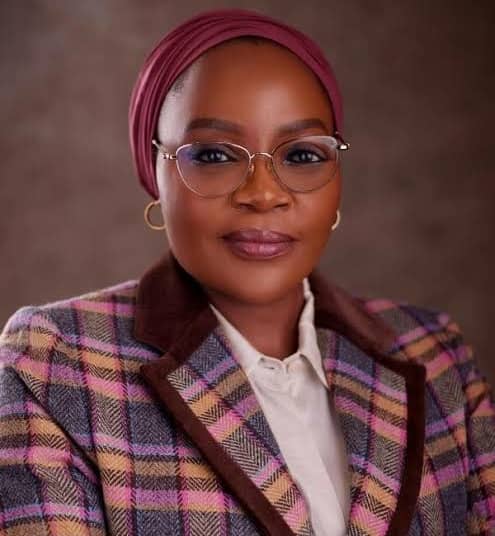
The Executive Secretary of UBEC, Aisha Garba, made this known on Tuesday in Asaba, Delta State, at the opening of the commission’s 30th Quarterly Meeting with Executive Chairmen of State Universal Basic Education Boards.
The meeting, themed, “Repositioning Basic Education in Nigeria to Optimise Investment and Impact,” brought together key education officials from across the country to deliberate on the challenges affecting the delivery of quality basic education.
Garba said the figures raised serious questions about the ability of states to convert available education financing into improved infrastructure, learning environments and better outcomes for pupils.
She said although states had accessed more than N177bn in UBE Matching Grants, a substantial amount of available funding remained either unaccessed or unutilised.
According to her, the challenge was no longer simply about securing funds but ensuring that resources already made available were properly planned, implemented, monitored and converted into measurable results.
“The figures underscore the need for states to move beyond accessing resources to ensuring that available funds are properly planned, implemented, monitored and converted into measurable results,” she said.
The UBEC boss therefore urged state governments to urgently access the outstanding N65bn counterpart funds and deploy intervention funds already released to them for the purposes for which they were provided.
She stressed that the effectiveness of public spending on education should not be judged by the amount of money released or accessed but by the improvements visible in schools and the quality of learning experienced by children.
Garba said education investments should produce concrete outcomes, including better school infrastructure, improved learning environments and enhanced quality of education.
Her position places the spotlight on the implementation side of Nigeria’s basic education financing, where the availability of public funds does not necessarily guarantee corresponding improvements in schools.
UBEC seeks broader funding partnerships
Garba also called for stronger collaboration among governments, the private sector, development partners and civil society organisations to address the challenges confronting basic education.
She argued that the scale and complexity of the problems facing the sector required broader and more sustainable financing partnerships beyond government funding.
The UBEC executive secretary disclosed that the commission had commenced a review of its Ten-Year Strategic Roadmap, which will now cover the period 2026–2035.
She said the revised roadmap would be designed to align investments with emerging needs in the basic education sector, strengthen implementation and improve the impact of interventions.
Garba also urged states to prepare for full participation in the HOPE-EDU Operation, which she described as an opportunity to strengthen the systems, institutions and human capacity required to achieve sustainable improvements in basic education.
The commission is also moving to reduce bureaucratic bottlenecks in the preparation and submission of state education plans through the deployment of technology.
Garba disclosed that UBEC had developed the Basic Education Action Plan Management System, otherwise known as BEAP-MS, to digitise the process.
She said the platform would replace the largely manual preparation and submission of state action plans and improve coordination between UBEC and the state education boards.
According to her, the system would also improve efficiency and reduce the need for repeated physical engagements at the commission’s headquarters.
Meanwhile, the Delta State Government said it had fulfilled its counterpart funding obligations under the Universal Basic Education programme.
Speaking through the Deputy Governor, Monday Onyeme, Governor Sheriff Oborevwori described education as the most strategic investment any country could make.
The governor said the real value of education spending should be measured by the quality of learning delivered, opportunities created for children and the future secured for the next generation.
He said education remained a major priority under the state’s MORE Agenda, adding that the government had consistently supported the UBEC programme and met its counterpart funding obligations.
Oborevwori also expressed appreciation to UBEC for approving two additional model SMART Schools for Delta State.
He disclosed that the state government had already provided the land required for the projects.
The Executive Chairman of the Delta State Universal Basic Education Board said the decision to host the quarterly meeting in Delta underscored the national importance of basic education and the collective responsibility of stakeholders to strengthen the foundation of Nigeria’s education system.
He said the meeting offered SUBEB chairmen an opportunity to exchange experiences, identify common challenges and develop practical solutions for improving basic education delivery across the country.
The disclosure by UBEC comes against the backdrop of continuing concerns over inadequate school infrastructure, poor learning environments and other challenges affecting access to quality basic education in Nigeria.
With N332bn either awaiting access or remaining unutilised, the commission’s latest warning has shifted attention from the perennial question of how much is being allocated to basic education to a more fundamental question: how much of the money already available is actually reaching schools and improving learning outcomes for Nigerian children?
 '
' '
'Do you want to share a story with us? Do you want to advertise with us? Do you need publicity for a product, service, or event? Contact us on WhatsApp +2348183319097 Email: platformtimes@gmail.com
We are committed to impactful investigative journalism for human interest and social justice. Your donation will help us tell more stories. Kindly donate any amount HERE
